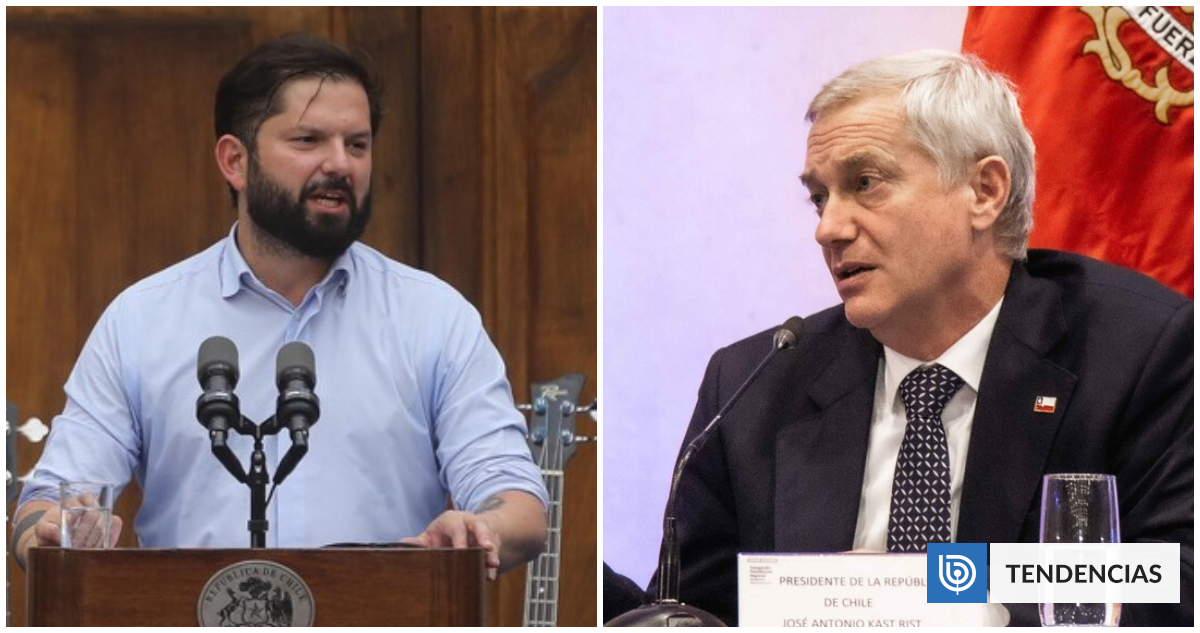
As the cultural calendar shifts once more in Chile, the naming conventions surrounding the nation’s annual celebration of its architectural and social history have returned to a previous iteration. The event, which invites citizens to engage with historical sites, public buildings and national landmarks, is being referred to as the Día del Patrimonio for the 2026 edition. This shift marks a notable change in the official nomenclature, moving away from more recent, inclusive terminology to a designation that carries significant historical weight for the public and government officials alike.
The Día del Patrimonio serves as a foundational moment for public discourse regarding the preservation of national identity. By opening spaces such as the Palacio de La Moneda—the seat of the President of the Republic—to the public, the government facilitates a direct connection between the citizenry and the structures that define the Chilean state. Understanding the reasons behind the transition in the event’s title requires an examination of how cultural policy intersects with political branding and the evolving definition of “heritage” in a modern democratic context.
Understanding the Evolution of the Heritage Day Title
The transition from the broader, pluralized term Día de los Patrimonios—which had been adopted to encompass a diverse array of tangible and intangible cultural expressions—back to the singular Día del Patrimonio is a development that has prompted significant public discussion. The shift reflects a broader discourse on how the state chooses to frame its history. Proponents of the change argue that the singular term provides a more concentrated focus on the architectural and historical significance of the nation’s institutional buildings, while critics suggest it may narrow the scope of what is considered worthy of commemoration.
Official government communications regarding the 2026 activities highlight a focus on accessibility, particularly regarding the opening of the Palacio de La Moneda. According to the Government of Chile, these initiatives are designed to foster a deeper appreciation for the historical development of the country’s central administration. The renaming is viewed by many observers as a move to reclaim a traditional identity for the holiday, aligning with the current administration’s broader policy goals regarding national institutional pride.
Public Access and the Role of La Moneda
Central to the 2026 celebrations is the increased visibility of the Palacio de La Moneda. By granting the public access to the courtyards, salons, and the Galería de los Poetas, the administration aims to demystify the executive branch. This effort is consistent with the goals of the National Cultural Heritage Service, which oversees the protection and promotion of the country’s diverse cultural assets. The inclusion of these spaces in the annual program allows for a unique pedagogical experience where citizens can engage with the physical history of the Casa de Moneda.
The activities planned for this year are free and open to the public, reflecting a long-standing commitment to ensuring that cultural heritage is not reserved for an elite few. Whether through virtual tours or in-person visits, the objective remains to provide a comprehensive look at the institutional and social memory of the country. For many, the ability to walk through the halls of power is a tangible way to participate in the democratic process, reinforcing the idea that these spaces belong to the people.
Cultural Policy and National Identity
The debate over the name—whether it should be singular or plural—is not merely semantic; it touches upon the very heart of how Chile views its past. The shift toward a more traditional framework suggests a desire to emphasize stability and the continuity of the state. As the country approaches future commemorations, it is likely that the discussion regarding how to best represent Chile’s multifaceted history will continue to evolve.
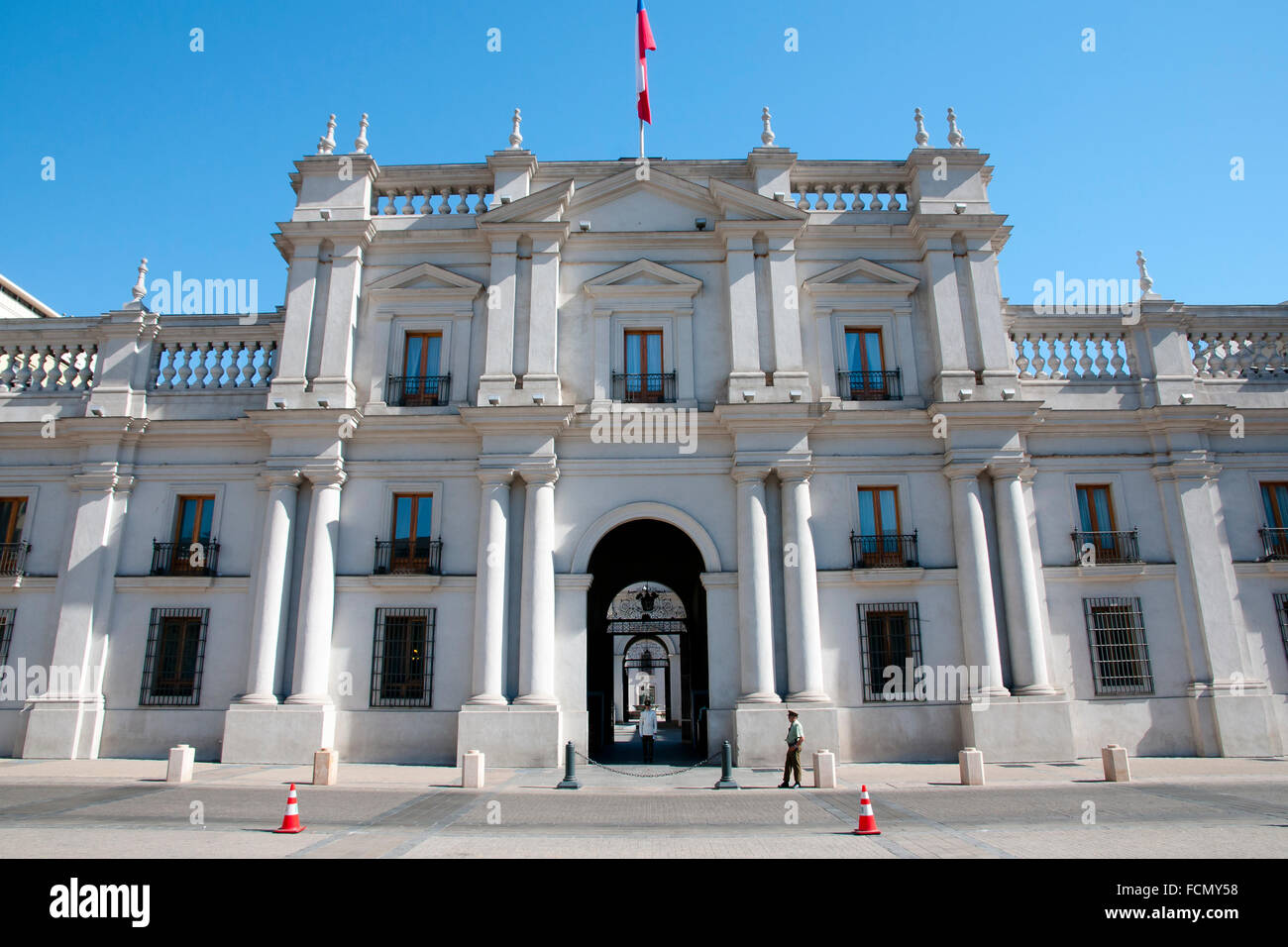
For those interested in participating in the 2026 events, the official channels of the Ministry of Cultures, Arts, and Heritage provide the most accurate schedules and safety protocols for visiting historical sites. As noted by the Ministry of Cultures, Arts, and Heritage, the schedule is subject to updates as site capacities are managed to ensure both security and a quality visitor experience. The 2026 iteration of the event serves as a critical checkpoint for cultural engagement, inviting debate, reflection, and, most importantly, participation from all sectors of society.
As we monitor the ongoing developments of this year’s cultural program, we encourage our readers to share their perspectives on the evolution of these national traditions in the comments section below. We will provide updates as further information regarding the 2027 planning cycle becomes available through official government announcements.
Keep reading