In the digital age, the humble fax machine might seem like a relic of a bygone era, yet it remains a standard tool for secure, verifiable document transmission in industries ranging from healthcare to finance. One question that frequently lands in my inbox as a technology editor is: Can you fax a check? The short answer is yes, but the process requires caution and a clear understanding of how financial institutions handle such requests.
When you fax a check, you are essentially sending a high-resolution image of a legal financial instrument. Because a check contains sensitive routing and account numbers, treating this process with the same level of security as a bank transfer is paramount. Whether you are using a traditional hardware fax machine or a modern online faxing service, the goal is to ensure that the document reaches its destination without being intercepted or mishandled. According to the Office of the Comptroller of the Currency, protecting your account information is the first line of defense against unauthorized transactions.
Understanding the Mechanics of Faxing Financial Documents
Before initiating a fax, it is essential to confirm that the recipient—whether it is a landlord, a service provider, or a vendor—actually accepts checks via fax. Many modern accounting departments prefer electronic fund transfers (EFT) or secure document portals. If they do accept a faxed check, they are likely using the image to verify the payment or to initiate an Automated Clearing House (ACH) debit. Try to verify the specific requirements with your recipient, as some institutions may require a physical copy to follow via mail even if a fax is accepted for expedited processing.
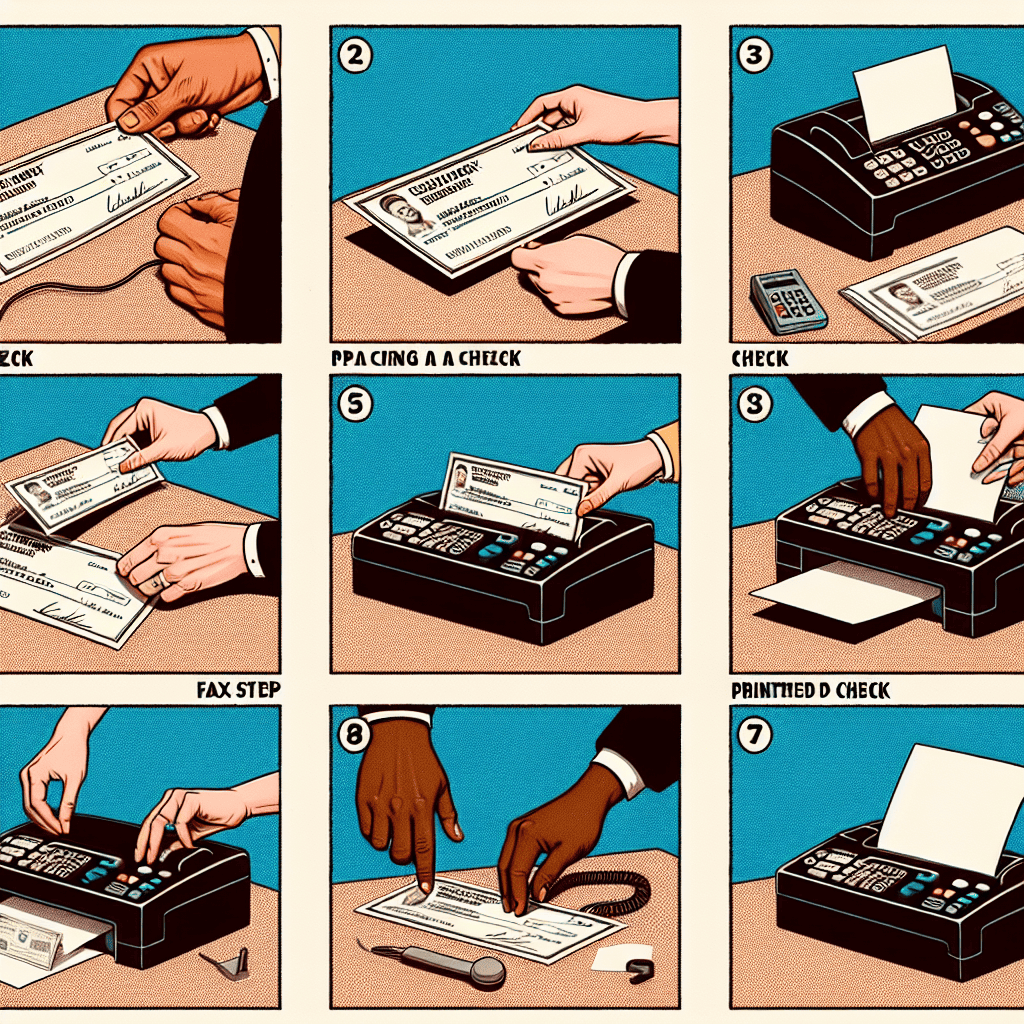
When preparing the document, ensure the check is clearly written. Use a dark, non-smudging pen. If the image is blurry or the text is obscured by shadows, the recipient may be unable to process it. Consider marking the check “For Fax Only” or “Void for Physical Use” if you intend to send the physical copy later, though you must discuss this practice with your financial institution first to avoid any confusion regarding the validity of the document. The Federal Reserve’s Regulation CC outlines the standards for check processing, and while it focuses on physical and electronic clearing, it underscores the importance of clear, legible financial data.
Choosing Between Traditional Fax and Online Services
If you have access to a traditional fax machine, the process is straightforward but lacks the digital audit trail provided by modern alternatives. A traditional fax machine transmits data over public switched telephone networks (PSTN). While generally considered a “closed” system, it is not immune to interception. If you choose this route, ensure you are sending the document from a private, secure location.
Conversely, online faxing services—often referred to as “eFax” or “cloud faxing”—use Transport Layer Security (TLS) encryption to transmit your documents over the internet. These services often provide a digital log of the transmission, confirming the date, time, and success status of the fax. For those handling frequent financial documents, these services often align better with modern cybersecurity best practices. According to the Cybersecurity and Infrastructure Security Agency (CISA), utilizing encrypted transmission methods is a core component of maintaining data integrity when sharing sensitive information.
Safety Checklist for Faxing Checks
- Verify the recipient: Never fax a check to an unverified entity. Ensure the number belongs to the intended party.
- Use encryption: If using an online service, confirm that the provider uses industry-standard encryption for data in transit.
- Monitor your account: After faxing, check your banking app or statement regularly to ensure the transaction matches your records.
- Keep a copy: Always retain the original physical check until the payment has been fully cleared and reflected in your account balance.
What Happens Next?
Once the fax is sent, your responsibility does not end. The recipient will typically process the image to initiate an electronic debit from your account. This process is generally faster than mailing a physical check, but it is not instantaneous. You should allow for the standard processing times established by the banking industry. If the payment does not appear as “pending” or “cleared” within a reasonable timeframe, contact the recipient immediately to confirm receipt.
If you encounter issues with your banking institution regarding a faxed payment, refer to the Consumer Financial Protection Bureau’s resources on disputing unauthorized or incorrect charges. They provide clear guidance on how to communicate with your bank if a transaction does not align with your expectations. Keeping a detailed record of your fax transmission report, which most online services provide, will be invaluable should you need to demonstrate that a payment was initiated on a specific date.
As we move further into an era of instant digital payments, the use of faxed checks remains a niche but necessary workflow for many. By prioritizing security, verifying your recipients, and keeping diligent records, you can navigate this process safely. If you have questions about specific banking policies regarding faxed documents, I encourage you to reach out to your bank’s customer service department directly for the most accurate information regarding your account type.
Have you had experience with faxing financial documents, or are you transitioning to newer payment methods? Share your thoughts and experiences in the comments section below.
Worth a look