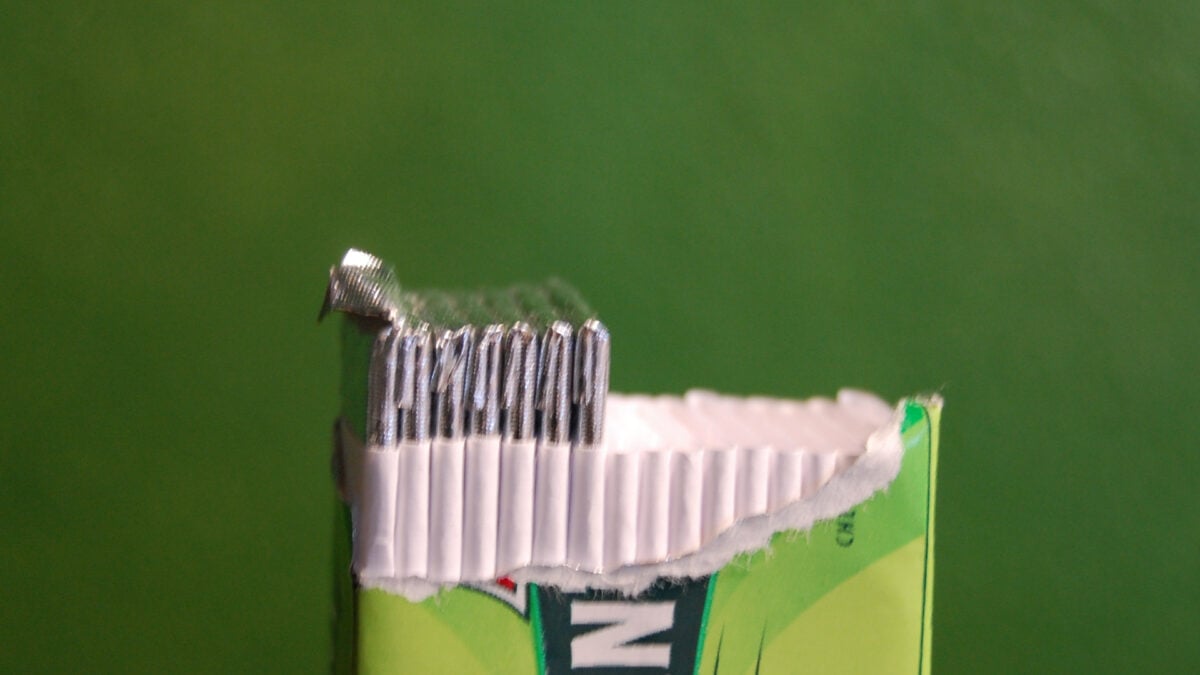
The rise of GLP-1 receptor agonists—the class of medications including Ozempic and Wegovy—has fundamentally altered the global snacking landscape. Even as much of the financial discourse has centered on the potential decline of high-calorie confectionery, a surprising new trend is emerging from the pharmacy to the checkout aisle: Ozempic breath
.
This phenomenon, characterized by foul-smelling or sulfurous breath, is becoming a common side effect for users of these weight-loss drugs. Far from being just a medical nuisance, it has created a lucrative new opportunity for the confectionery industry. Specifically, the demand for breath fresheners is surging as users seek to mask the odors associated with their medication.
In a recent first-quarter earnings call, Hershey Co. Chief Executive Officer Kirk Tanner revealed that the company is seeing a significant uptick in the consumption of mints and gum. According to Tanner, while the appetite-suppressing nature of GLP-1 drugs may lead some consumers to eat smaller portions of traditional snacks, those same medications are driving a strong demand for gum and mint products
.
The Science Behind ‘Ozempic Breath’
To understand why Hershey is seeing a spike in gum sales, one must glance at the biological mechanisms of GLP-1 medications. These drugs work by mimicking a hormone that regulates blood sugar and slows gastric emptying—the speed at which food leaves the stomach. This delayed digestion can lead to food sitting in the stomach longer, which may produce sulfurous gases that are released through burps, often described by users as sulfur burps
.
Beyond slowed digestion, several other factors contribute to the development of halitosis in GLP-1 users:
- Ketosis: As users lose weight rapidly and consume fewer carbohydrates, the body enters a state of ketosis, where it burns fat for fuel. This process produces ketones, specifically acetone, which can provide the breath a distinct, fruity, or metallic smell.
- Xerostomia (Dry Mouth): Many users report a decrease in saliva production. Saliva is critical for neutralizing acids and washing away food particles and bacteria; without it, bacteria proliferate, leading to unpleasant odors.
- Dietary Shifts: The dramatic change in eating habits and the potential for reduced oral hygiene consistency during the initial phase of rapid weight loss can further exacerbate oral health issues.
Medical professionals have noted that What we have is not an isolated issue. According to reporting from Healthline, a growing number of patients are reporting this specific type of foul-smelling breath, which some clinicians refer to as a biological roadmap of how the drug is interacting with the digestive system.
Hershey’s Strategic Pivot to ‘Functional Snacking’
For a company traditionally rooted in chocolate and sugar, the GLP-1 era presents a dual challenge: a potential drop in candy consumption and a shift in what consumers consider a permissible treat
. Hershey is responding by leaning into functional snacking tailwinds
, a term CEO Kirk Tanner used to describe products that serve a purpose beyond mere hunger satisfaction.

By positioning gum and mints—such as the Ice Breakers line—as essential tools for GLP-1 users, Hershey is diversifying its revenue streams. The company is moving toward a better-for-you snacking playbook
that targets not only the health-conscious Gen Z demographic but also the millions of adults now utilizing medical weight-loss interventions.
This shift is part of a broader industry trend. As users of GLP-1 medications prioritize nutrient density and “long-lasting satisfaction,” the market is seeing a rise in chewy, protein-rich, or functional snacks. Gum fits perfectly into this category, providing oral stimulation and breath management without adding significant caloric intake to a restricted diet.
Managing Oral Health on GLP-1 Medications
While chewing gum provides a temporary fix for the odor, dental experts suggest that GLP-1 users take a more comprehensive approach to oral hygiene to prevent long-term damage. The combination of dry mouth and potential acidity from sulfur burps can increase the risk of tooth decay and gum inflammation.
Practitioners recommend the following strategies for those experiencing Ozempic breath:
- Hydration: Increasing water intake is the most effective way to combat dry mouth and help flush the system.
- Tongue Scraping: Since bacteria and sulfur compounds often collect on the back of the tongue, using a tongue scraper can significantly reduce odors.
- Sugar-Free Alternatives: Using xylitol-based gums or mints can help stimulate saliva production without introducing sugars that feed the bacteria causing the bad breath.
- Regular Dental Check-ups: As GLP-1s can affect the oral cavity, regular professional cleanings are essential to monitor for signs of “Ozempic teeth,” a term used to describe dental erosion linked to the drug’s side effects.
Quick Reference: GLP-1 Side Effects and Oral Impact
| Side Effect | Biological Cause | Resulting Symptom | Common Remedy |
|---|---|---|---|
| Delayed Gastric Emptying | Food remains in stomach longer | Sulfur Burps / Halitosis | Mints, Gum, Probiotics |
| Ketosis | Fat burning / Low carb state | Metallic/Fruity Breath | Increased Hydration |
| Xerostomia | Reduced saliva production | Dry Mouth / Bacteria Growth | Xylitol Gum, Water |
What Happens Next for the Snacking Industry?
The “Ozempic effect” is forcing a reckoning across the consumer packaged goods (CPG) sector. Companies are no longer just competing on flavor, but on how their products fit into a medically managed lifestyle. The success of Hershey’s gum and mint categories suggests that the “functional” aspect of snacking will become a primary growth driver over the next several years.
As more GLP-1 drugs receive regulatory approval for broader uses—including the treatment of obesity without diabetes—the consumer base for these “remedy snacks” is expected to expand. Industry analysts will be watching Hershey’s upcoming quarterly filings to see if the growth in the gum category can offset any potential losses in traditional chocolate sales.
For users, the focus remains on balancing the benefits of rapid weight loss with the management of these unexpected side effects. While the “unlikely winner” in this scenario is the chewing gum industry, the ultimate goal for patients remains a holistic approach to health that includes both metabolic management and oral care.
The next major checkpoint for the industry will be the release of Hershey’s next comprehensive quarterly earnings report, which will provide more granular data on whether the “functional snacking” trend is a temporary spike or a permanent shift in consumer behavior.
Are you or someone you recognize experiencing these side effects? How has your snacking habit changed? Share your experiences in the comments below.