Lebanon’s Displaced Face Soaring Costs and Limited Aid Amidst Escalating Conflict
The intensifying conflict between Israel and Hezbollah is triggering a rapidly unfolding humanitarian crisis in Lebanon, forcing hundreds of thousands to flee their homes and confront a desperate lack of resources. As fighting continues, displaced Lebanese citizens are grappling with soaring rental costs, a strained aid response, and the looming fear of a full-scale war. The current situation echoes previous conflicts, but with a particularly acute edge given Lebanon’s already fragile economic state and the increasing desperation of those uprooted from their lives.
Since the exchange of fire began on March 2nd, with Hezbollah launching rockets towards Israel following strikes linked to the ongoing conflict with Iran, an estimated 700,000 people, including around 200,000 children, have been displaced from southern Lebanon, according to the United Nations Children’s Fund (UNICEF). The scale of the displacement is reminiscent of the mass exodus seen during Operation Northern Arrows on September 23, 2024, when hundreds of air strikes targeted southern Lebanon, the suburbs, and the Bekaa Valley. The current crisis is exacerbating existing vulnerabilities within a nation already struggling with a severe economic downturn and political instability.
A State of Abandonment and Insufficient Aid
Reports from those displaced paint a picture of a chaotic and largely unsupported evacuation. Many describe a panicked flight from their homes, facing gridlocked roads for over two days as they attempted to reach safer areas. Critically, some displaced individuals claim the Lebanese state failed to provide adequate support during the initial stages of the crisis, neglecting to organize traffic flow or declare a state of emergency to facilitate safe passage. This perceived abandonment has fueled resentment and a sense of desperation among those affected. Even as Lebanese authorities have announced the distribution of daily hot meals and limited financial aid, these measures are widely considered insufficient to meet the overwhelming needs of the displaced population.
Currently, over 120,000 displaced people are sheltering in various facilities, but aid coverage remains limited, addressing only a portion of essential needs like food, rent, and healthcare. A recent shipment of 45 tonnes of emergency supplies, delivered by the European Union through UNICEF on Wednesday, is intended to support approximately 400,000 affected people, including first aid kits and supplies for children. However, the long-term adequacy of this assistance remains uncertain, particularly if the conflict continues to escalate.
Exploitation and Division: The Rising Cost of Displacement
The crisis has laid bare deep divisions within Lebanese society. While some citizens have offered aid and opened their homes to those displaced, others are reportedly exploiting the situation by dramatically increasing rental prices. Reports indicate landlords are demanding as much as $2,000 per month, often requiring several months’ rent in advance – a sum far beyond the reach of most Lebanese families. This exploitation has sparked outrage and calls for accountability, with some even advocating for the expulsion of displaced people, particularly those perceived as supporters of Hezbollah, blaming them for the escalation of the conflict.
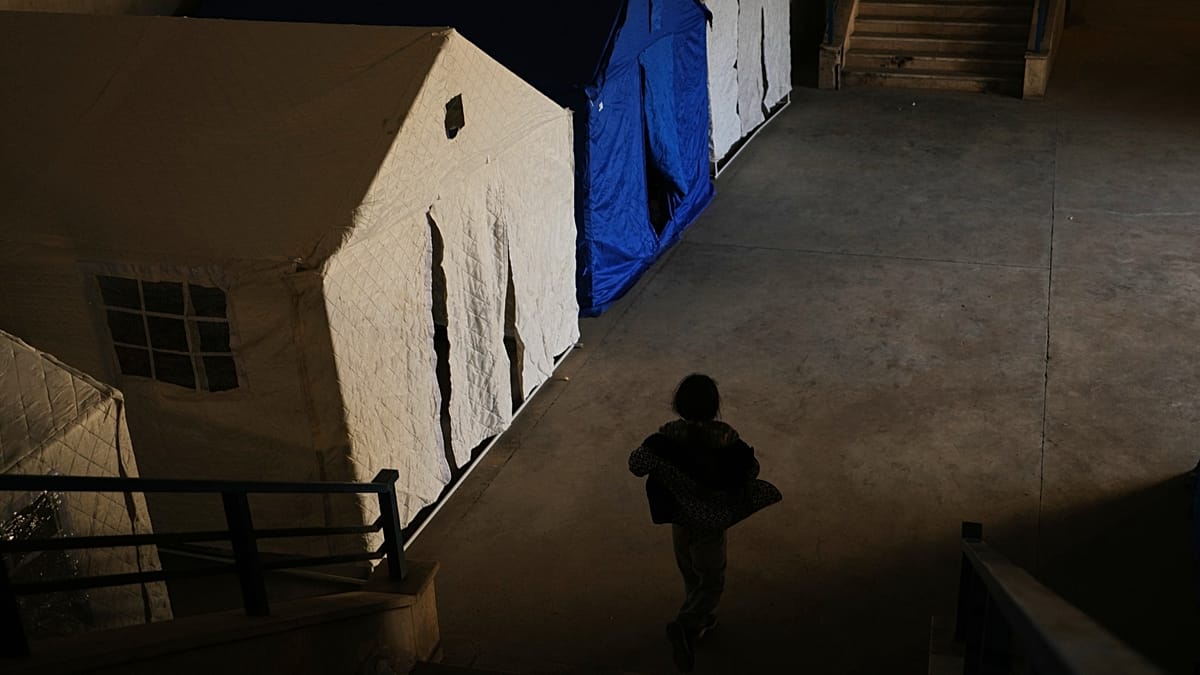
Many displaced individuals are being forced to seek refuge in overcrowded schools, their vehicles, or even on the streets. A statement attributed to the mayor of Beirut, protesting the presence of displaced people in the Rouche area, a waterfront district known for its upscale apartments, highlighted the stark contrast in priorities, stating, “We bought apartments for millions of dollars to overlook the sea, not the tents of refugees.” This sentiment underscores the social tensions and lack of empathy facing those forced to flee their homes.
Personal Stories of Fear and Uncertainty
Batoul, a 26-year-old mother of two displaced from the town of Shu’aitieh, located approximately five kilometers from the Israeli border, exemplifies the anxieties and hardships faced by many. She recounted a harrowing 12-hour journey covering just 85 kilometers to reach the town of Kifoun in the Aley district of Mount Lebanon, constantly fearing for the safety of her children. Upon arrival, she faced exorbitant rental demands, ultimately forced to accept a cramped three-room house shared with three other families, despite the cost being far beyond its actual value. The reliance on the US dollar for pricing, due to the volatility of the Lebanese pound, further complicates the situation, making even basic necessities unaffordable for many.
Grassroots Efforts and Fears for the Future
In response to the state’s perceived inaction, a growing number of young volunteers are organizing grassroots initiatives to provide food and essential supplies to the displaced. Walaa Taleb, a 23-year-old volunteer, described how a network of influencers mobilized to collect donations and directly address the needs of those affected. However, she likewise highlighted the challenges posed by the refusal of some Lebanese citizens to accept displaced people in their neighborhoods and the unsustainable rise in rental costs. Walaa also criticized the Beirut municipality’s treatment of displaced individuals, noting their expulsion from certain areas under the guise of preserving aesthetics.
Schools are struggling to accommodate the influx of displaced people, with some facilities housing over 500 individuals in just 28 rooms, families separated only by plastic sheets. While this provides a degree of shelter, it is far from ideal. Volunteers express concern that the current level of support is unsustainable, particularly if the conflict prolongs, fearing a decline in donations and an exacerbation of the humanitarian crisis. The situation echoes previous conflicts, with volunteers recognizing the same faces in the shelters as they did during the 2024 Israel-Hezbollah war, highlighting the cyclical nature of displacement in the region. One volunteer even recounted seeing a pregnant woman she had assisted during the previous conflict now returning to the same school with her newborn child.
The Broader Context: Iran, Hezbollah, and Regional Instability
The current escalation is deeply intertwined with the broader regional conflict involving Iran and its proxies. As reported by the Associated Press, the conflict began with US-Israeli strikes against Iran, prompting retaliatory actions from Hezbollah. This has led to a significant increase in cross-border attacks, further destabilizing the region. The 2026 Lebanon war, as it is now being referred to, is part of a larger conflict that began in 2023, and is directly linked to the ongoing war with Iran. The involvement of Iran, as confirmed by Iranian officials in statements reported by Al Jazeera, underscores the complexity of the situation and the potential for further escalation. Iran has confirmed coordinated attacks with Hezbollah against Israel.
The Washington Post reported just hours ago that the conflict is expanding, with a focus on eliminating Hezbollah. “We gotta get rid of the Hezbollah,” a source stated. This suggests a long-term commitment to addressing the threat posed by the organization, potentially prolonging the displacement and suffering of Lebanese civilians.
Key Takeaways
- The conflict between Israel and Hezbollah has displaced an estimated 700,000 Lebanese citizens.
- Displaced individuals are facing soaring rental costs and limited access to essential resources.
- The Lebanese state’s response has been criticized as inadequate, with reports of a lack of support during the initial evacuation.
- Grassroots initiatives are emerging to fill the gaps in aid provision, but their sustainability is uncertain.
- The crisis is exacerbating existing social divisions and economic vulnerabilities within Lebanon.
As the conflict continues, the situation for displaced Lebanese citizens remains precarious. The immediate require is for increased humanitarian aid, both from the Lebanese government and the international community. Looking ahead, the focus will be on monitoring the evolving security situation and assessing the long-term impact of the displacement on Lebanon’s already fragile infrastructure and economy. The next key development to watch will be the outcome of ongoing diplomatic efforts to de-escalate the conflict and secure a lasting ceasefire.
What are your thoughts on the humanitarian crisis unfolding in Lebanon? Share your comments below and help spread awareness by sharing this article.