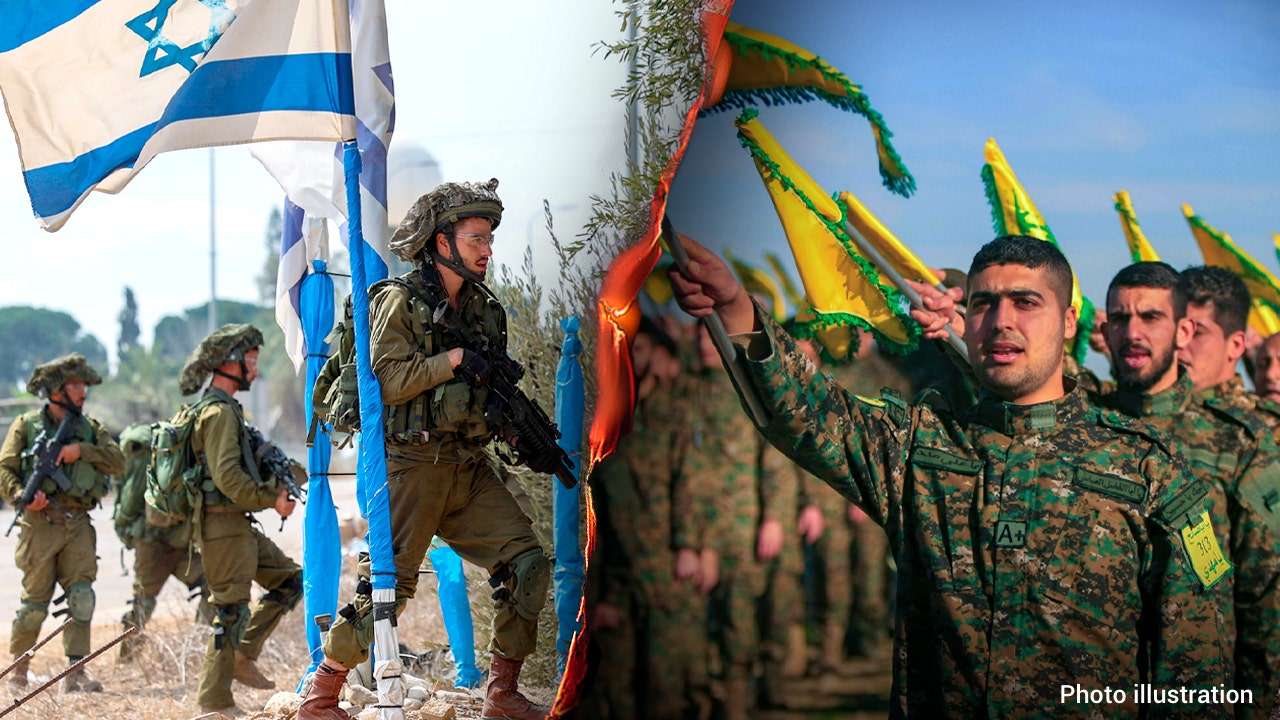
As the conflict in the Middle East enters a volatile new phase, diplomatic efforts to secure a lasting cessation of hostilities have encountered a significant setback. A U.S.-brokered ceasefire agreement, intended to de-escalate the fighting between Israel and Lebanon, has been formally rejected by Hezbollah, according to recent reports from the Associated Press. This development comes at a time when military operations have intensified, marked by the deepest Israeli incursion into Lebanese territory in more than 25 years.
The proposed framework, which emerged from four rounds of negotiations mediated by the United States at the State Department, sought to establish security zones in southern Lebanon. These proposed “pilot” areas were intended to be cleared of Hezbollah operatives, with the Lebanese army assuming full control to stabilize the border region. However, the rejection by the militant group, coupled with ongoing combat, has left the future of these security arrangements in doubt.
Stalled Diplomacy and the Search for Security Zones
The core of the proposed agreement focused on the Litani River, situated approximately 30 kilometers (20 miles) north of the border between Israel and Lebanon. The plan stipulated that Hezbollah would be required to withdraw from all areas south of this river. The agreement was structured to move beyond mere cessation of fire, including specific provisions regarding the eventual disbanding of the militant group’s paramilitary capabilities, as noted in recent reporting from the Associated Press.
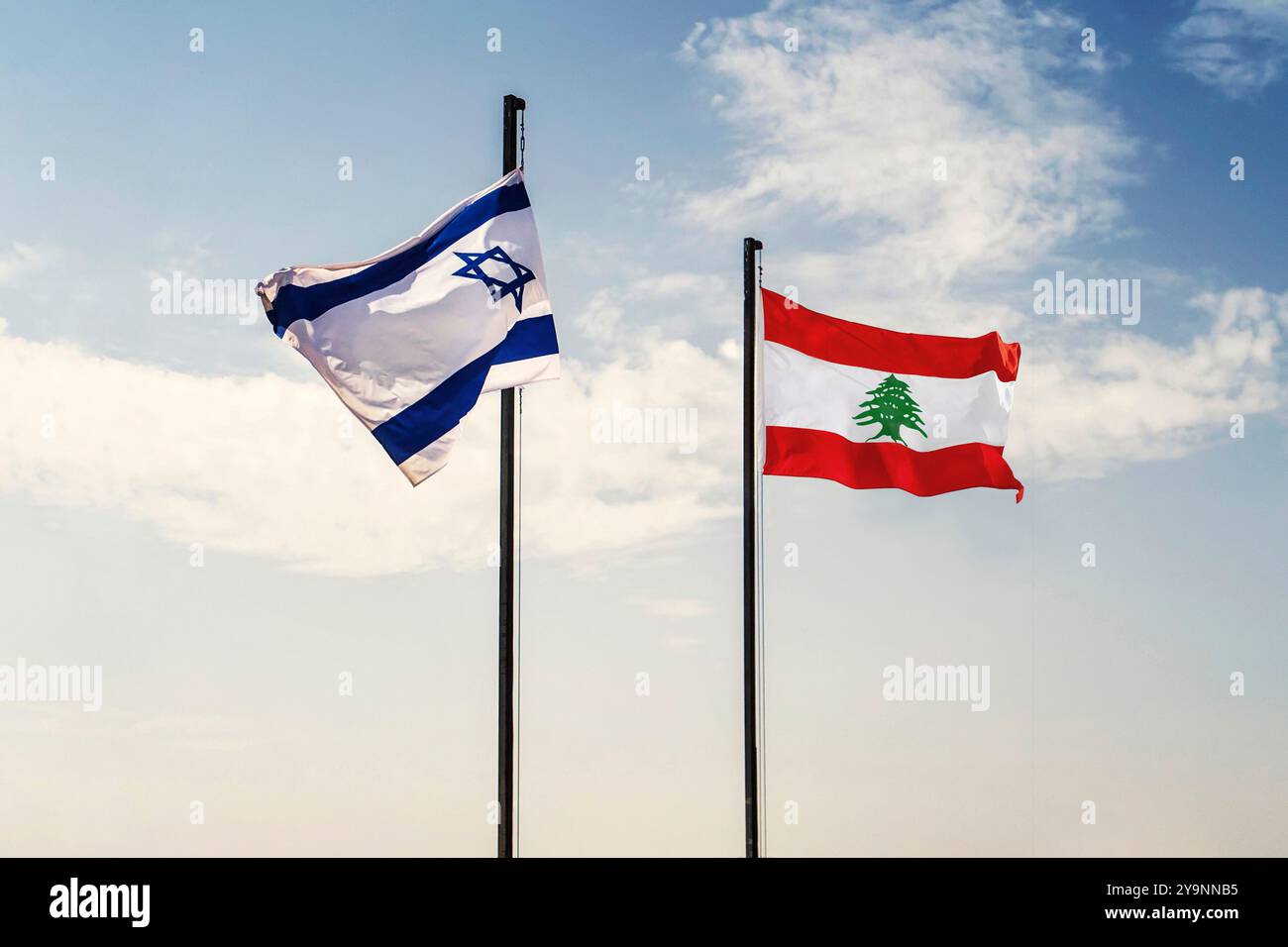
While the Lebanese government and Israel had been part of the U.S.-led discussions, the lack of buy-in from Hezbollah—which maintains a significant political and military presence in the country—has effectively paralyzed the implementation of these security zones. The situation on the ground remains dire. even as negotiators sought a diplomatic path, the human toll of the conflict has continued to rise. On Thursday, four individuals were reported killed in Israeli strikes, and a Serbian peacekeeper serving with the United Nations Interim Force in Lebanon (UNIFIL) was killed by a mortar shell, with two others wounded.
The Human and Geopolitical Cost
The current escalation highlights the profound challenges facing the region. The conflict, which has seen Israeli forces push deeper into Lebanon than at any point since the turn of the century, has created a precarious environment for both civilians and international peacekeeping forces. The presence of Israeli flags on damaged structures in southern Lebanon serves as a stark visual indicator of the reach of the current military campaign.
For observers of international affairs, the failure of this ceasefire attempt underscores the difficulty of reconciling the demands of state actors with those of non-state militant organizations. Hezbollah has demanded a complete Israeli withdrawal from Lebanese territory as a prerequisite for any meaningful engagement on ending the hostilities. Meanwhile, the international community continues to grapple with the instability, as the humanitarian situation in southern Lebanon remains a primary concern for aid organizations and UN agencies.
What Happens Next?
As of June 5, 2026, the diplomatic landscape remains fluid. There is no clear indication of when the next round of negotiations might occur, or if a revised proposal can bridge the fundamental divide between the stated security requirements of Israel and the demands of Hezbollah. The Lebanese army, which was intended to serve as the primary guarantor of stability within the proposed pilot zones, remains in a difficult position, caught between the internal pressures of a fractured political system and the external pressures of a regional war.
The international focus remains on preventing further regional contagion, particularly as tensions involving other regional actors continue to simmer. For now, the fighting continues, and the focus of the global community remains fixed on the border regions of southern Lebanon and northern Israel, where the potential for further escalation remains high.
We will continue to provide updates as official statements are released by the involved government offices and international mediators. If you have insights or questions regarding the humanitarian impact of these developments, please share your thoughts in the comments section below.
Worth a look