
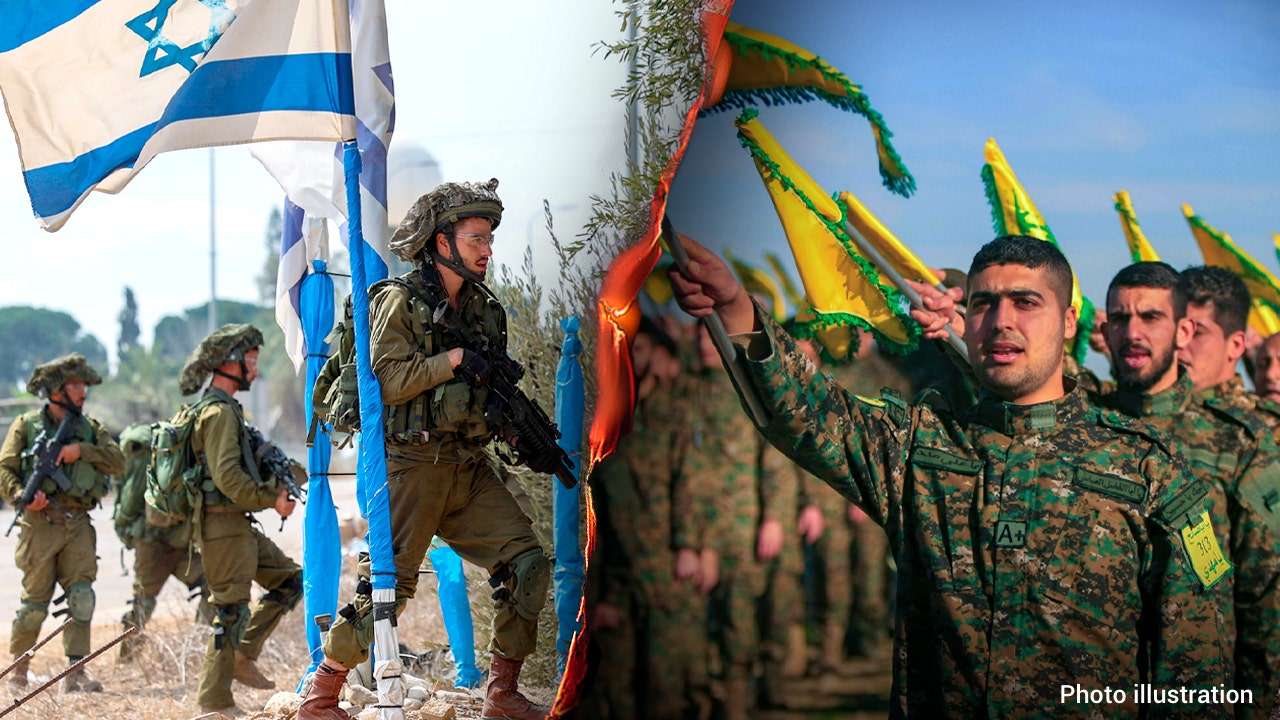
BEIRUT — As the shadow of a wider regional conflict looms over the Levant, Hezbollah has issued a definitive rejection of what it terms “partial ceasefire agreements” with Israel, signaling a significant hardening of its negotiating position. The militant group, which maintains a sophisticated military infrastructure in southern Lebanon and the capital’s suburbs, has made it clear that any diplomatic breakthrough must include a total cessation of hostilities and a full withdrawal of Israeli forces from Lebanese territory.
The refusal to entertain anything less than a comprehensive settlement comes at a critical juncture in Middle East ceasefire negotiations. For weeks, international mediators—led primarily by the United States—have attempted to broker a deal that would halt the cross-border exchanges between Israel and Hezbollah, which have escalated significantly since October 2023. However, the group’s insistence on an “all-or-nothing” approach threatens to derail ongoing diplomatic efforts aimed at preventing a full-scale ground invasion of Lebanon.
Adding to the volatility, Hezbollah leadership has issued explicit warnings regarding the security of Beirut. In recent communications, the group threatened a “stronger response” should Israeli military operations expand into the capital’s southern suburbs, a region known as Dahiyeh. This warning follows a series of targeted Israeli airstrikes in the area, which have frequently struck sites suspected of being used by the group’s leadership or military wing.
The Deadlock Over “Partial” Agreements
The core of the current diplomatic impasse lies in the definition of a “ceasefire.” According to various reports on the ongoing negotiations, Israel has sought terms that would allow it to maintain certain security operational rights, including the ability to strike Hezbollah targets if the group violates the terms of the truce. This concept of a “partial” or “conditional” ceasefire is exactly what Hezbollah has vowed to reject.
For Hezbollah, a partial agreement is viewed not as a path to peace, but as a strategic vulnerability. The group’s leadership argues that any deal allowing Israel to retain the right to conduct “targeted operations” within Lebanese borders would essentially grant Israel a license to continue its campaign against Hezbollah’s infrastructure under the guise of a truce. Instead, the group is demanding a deal that mirrors the spirit, if not the exact letter, of United Nations Resolution 1701, which called for a cessation of hostilities and the withdrawal of Israeli forces from southern Lebanon following the 2006 war.
This stance places immense pressure on U.S. Mediators, who are attempting to balance Israel’s security requirement—to push Hezbollah forces away from the northern border to allow displaced Israeli civilians to return home—with the necessity of a sustainable political framework in Lebanon. Without a comprehensive agreement that addresses both the security of northern Israel and the sovereignty of Lebanon, the risk of a return to high-intensity combat remains acute.
Threats to Beirut and the Dahiyeh Suburbs
The geopolitical stakes have been raised by Hezbollah’s recent rhetoric regarding the capital. The group has explicitly stated that any aggression against the Beirut suburbs could trigger a disproportionate retaliation. Here’s a significant escalation in tone, as it implies a willingness to move the conflict from the border regions directly into the heart of Lebanon’s most densely populated urban centers.
The Dahiyeh suburb is a critical piece of the conflict’s geography. It serves as both a political stronghold for Hezbollah and a significant logistical hub. The area has seen repeated strikes by the Israeli Air Force, which the Israel Defense Forces (IDF) state are aimed at high-ranking Hezbollah commanders and weapons depots. The humanitarian cost of these strikes is high, given the dense residential nature of the area. According to recent reports from Reuters and other international news agencies, the strikes in these urban areas have frequently resulted in significant civilian casualties and the destruction of residential infrastructure.
Hezbollah’s threat of a “stronger response” suggests that if the conflict moves into Beirut, the group may pivot from its current strategy of border-focused rocket and drone attacks to more aggressive tactics aimed at Israeli population centers. This potential shift is a primary concern for regional stability, as it could force Israel into a much broader and more destructive military campaign within Lebanon.
The Framework of UN Resolution 1701
To understand why these negotiations are so fraught, one must look at the historical framework governing the border: UN Resolution 1701. Adopted at the end of the 2006 Lebanon War, the resolution was intended to create a buffer zone between Israel and Hezbollah.
The key pillars of the resolution include:
- The Disarmament of Non-State Actors: The resolution calls for an area between the Blue Line (the UN-recognized border) and the Litani River to be free of any armed personnel, assets, or weapons other than those of the Lebanese government and UNIFIL (United Nations Interim Force in Lebanon).
- The Role of UNIFIL: The United Nations peacekeeping force is tasked with monitoring the implementation of the resolution and ensuring that no unauthorized armed groups operate in the zone.
- Israeli Withdrawal: The resolution mandates the withdrawal of Israeli forces from southern Lebanon.
The current conflict has demonstrated the limitations of this framework. While UNIFIL remains active on the ground, it has struggled to prevent the buildup of Hezbollah’s military presence in the south or the frequent incursions by Israeli forces. The current negotiations are essentially an attempt to find a “Version 2.0” of this resolution that can function in the modern security environment, but the diverging interests of the combatants make such a task exceptionally difficult.
Stakeholders and Regional Implications
The refusal of Hezbollah to accept a partial deal is not happening in a vacuum. Several key players are watching the developments closely, each with a different set of objectives:
Israel: The Israeli government is under intense domestic pressure to ensure that the security threat from Hezbollah is neutralized. For many in the Israeli leadership, a ceasefire that does not fundamentally change the military reality on the border is insufficient to protect the citizens of northern Israel, many of whom remain displaced from their homes.
The United States: Washington is acting as the primary mediator, seeking to prevent a regional conflagration that could draw in Iran and potentially involve other actors like Hezbollah’s allies in Yemen or Iraq. A successful deal is seen as a vital step in stabilizing the broader Middle East.
Lebanon: The Lebanese state is in a precarious position. Caught between the demands of Hezbollah and the military actions of Israel, the country is already grappling with a severe economic crisis. A full-scale war would likely lead to the total collapse of the already fragile Lebanese state and a catastrophic humanitarian disaster.
Iran: As Hezbollah’s primary patron, Iran has a significant interest in the group’s survival and its ability to act as a deterrent against Israel. While Tehran has expressed support for the Lebanese people, its strategic alignment with Hezbollah means that any deal that significantly weakens the group’s military capabilities is viewed through a lens of regional power dynamics.
Key Takeaways
- Hardline Stance: Hezbollah has rejected any “partial” ceasefire that allows Israel to continue military operations in Lebanon.
- Beirut Warning: The group has threatened a “stronger response” if Israeli strikes target the Dahiyeh suburbs of Beirut.
- Diplomatic Impasse: U.S.-led mediation is struggling to reconcile Israel’s security needs with Hezbollah’s demand for a total withdrawal.
- Historical Context: Negotiations are heavily influenced by the requirements of UN Resolution 1701, which has faced significant implementation challenges.
What Happens Next?
The immediate future of the conflict depends on whether the current round of diplomatic shuttle diplomacy can produce a proposal that meets the minimum requirements of both parties. Observers are looking toward the next scheduled high-level meetings between U.S. Envoys and Lebanese officials in Beirut, which are expected to take place later this week. The outcome of these discussions will likely determine whether the region enters a period of de-escalation or moves toward a more intensive phase of warfare.

As this situation develops, World Today Journal will continue to provide verified, real-time updates on the negotiations and the security situation on the ground.
What do you think about the prospects for a lasting peace in the region? Should international mediators focus on a more gradual implementation of UN Resolution 1701? Share your thoughts in the comments below and share this article to keep the conversation going.
Worth a look