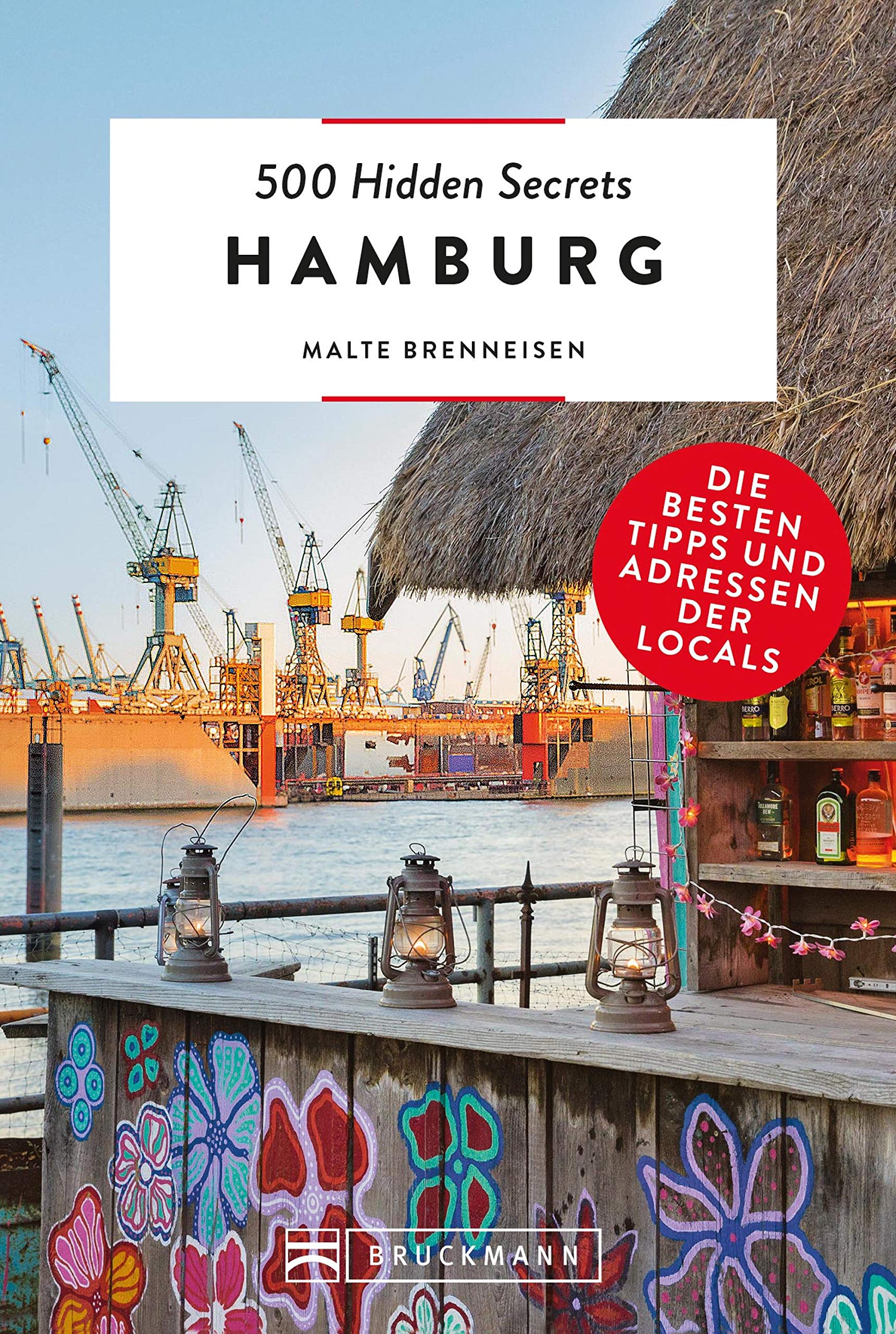
Hamburg Beyond the Postcards: A Local’s Guide to the City’s Hidden Gems
Hamburg is a city of contrasts—where the towering spires of St. Michael’s Church pierce the skyline, the Elbe River carves through the urban fabric and the hum of the Reeperbahn clashes with the quiet charm of its historic neighborhoods. Yet for visitors who’ve ticked off the usual suspects—the Speicherstadt’s brick warehouses, the Miniatur Wunderland’s model trains, and the fish market’s morning frenzy—there’s another Hamburg waiting to be discovered. One that locals know well but tourists often overlook.
As someone who’s spent years covering international sports and cities, I’ve learned that the most memorable travel experiences come from stepping off the beaten path. Hamburg, with its layered history, vibrant subcultures, and pockets of raw authenticity, is no exception. Whether you’re a first-time visitor or a returnee eager to explore beyond the Reeperbahn’s neon glow, this guide cuts through the tourist clichés to reveal what Hamburg’s residents actually love—and why.
The key? Balance. Hamburg thrives on equilibrium: between tradition and innovation, between the grandeur of its harbor and the grit of its working-class districts, between the quiet of its green spaces and the energy of its nightlife. The city’s unofficial motto—“Hamburg, wir lieben dich”—captures it perfectly. But love, like travel, is best experienced beyond the surface.
Where Locals Eat: Beyond the Tourist Menus
Hamburg’s culinary scene is a testament to its maritime roots and multicultural influences. But the restaurants lining the Binnenalster or packed with cruise ship crowds often serve up a sanitized version of the city’s flavors. For the real deal, head to the Schanzenviertel, a bohemian quarter where artists, students, and long-time residents gather. Here, places like Urban Hafen—a floating restaurant on the Elbe—offer fresh fish dishes with a modern twist, while Vinothek Bergmann in Sternschanze serves up hearty German classics in a cozy, unpretentious setting.

For a taste of Hamburg’s Turkish-German fusion, skip the overpriced kebab stands near the Hauptbahnhof and venture to İmren in Eimsbüttel. The line may be long, but the döner and lamb kebab are worth the wait. And if you’re craving something sweet, Café Braun in the city center has been a local favorite since 1892, serving up pastries that taste like nostalgia.
Pro tip: Many of Hamburg’s best spots don’t have English menus. A few phrases in German—“Die Speisekarte, bitte” (the menu, please) or “Was empfehlen Sie?” (what do you recommend?)—go a long way in breaking the ice with servers and uncovering hidden specials.
The City’s Green Escape: Parks and Waterways
Hamburg is often called the “Green City,” and for solid reason. While Planten un Blomen—with its iconic water lilies and Japanese garden—is a must-see, the city’s lesser-known green spaces offer a quieter connection to nature. Stadtpark, designed by the same landscape architect as New York’s Central Park, is a local haunt for picnics, jogging, and people-watching. Rent a rowboat on the park’s lake or grab a coffee at Café Klein Borstel, a charming spot tucked within the park’s trees.
For a more offbeat experience, explore the Alsterarkaden, a series of walking and cycling paths that loop around the Binnen- and Außenalster lakes. Locals use these paths year-round—whether for a leisurely stroll in spring, ice skating in winter, or a summer sunset ride. And if you’re feeling adventurous, take the HVV ferry (part of Hamburg’s public transport system) for a scenic, car-free cruise along the Elbe or the Alster canals. The Elbstrand (Elbe Beach) in Övelgönne is another hidden gem, where Hamburgers escape the city for a day of sunbathing, swimming, and beachside bars.
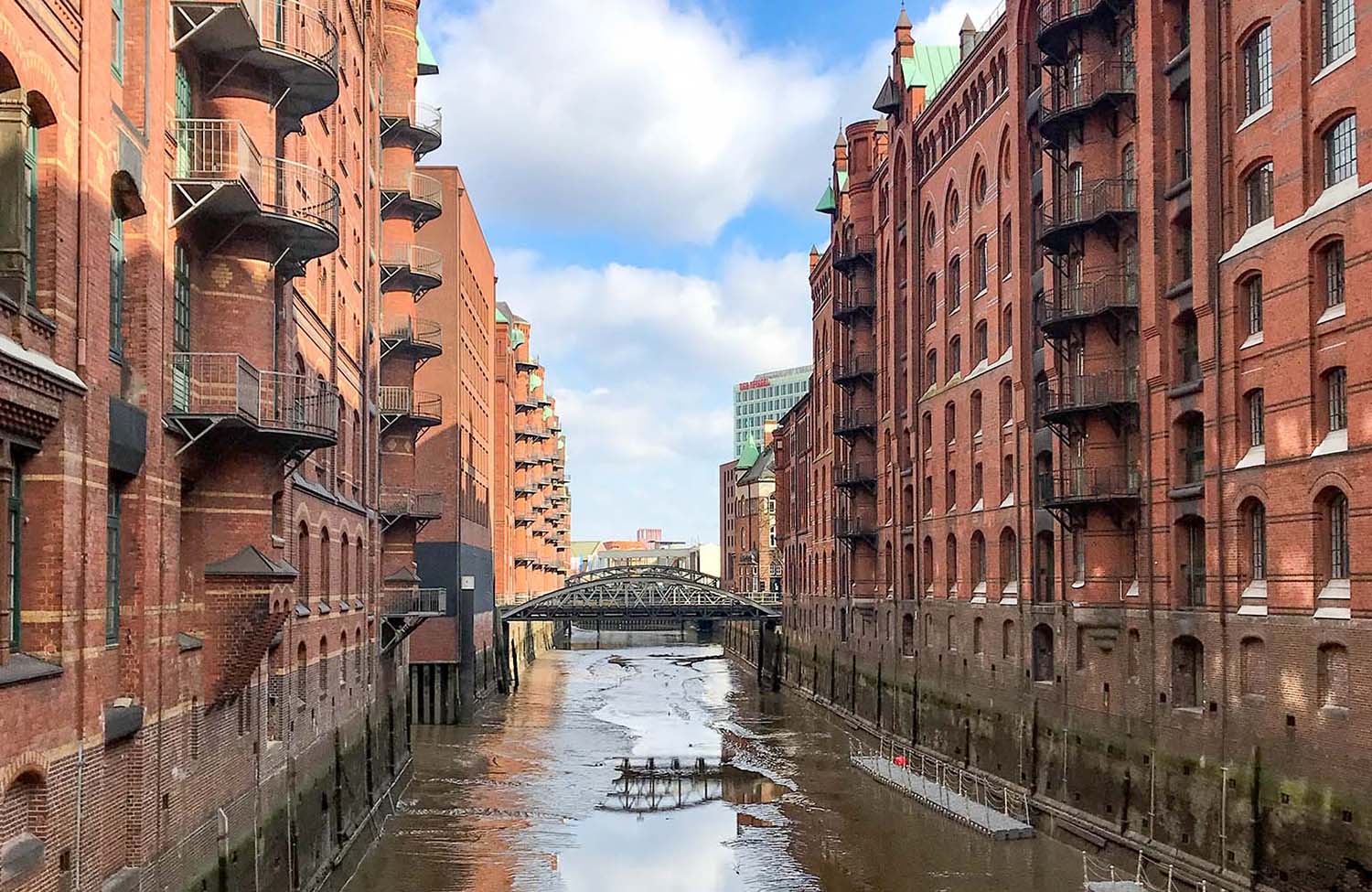
Water is central to Hamburg’s identity, and the city’s canals and harbors are best experienced from the water itself. Consider booking a harbor cruise with Hafenrundfahrt, but opt for the smaller, more intimate tours that take you past the Speicherstadt’s historic warehouses and into the industrial heart of the port. For a unique perspective, try a nighttime canal tour (available seasonally), where the city’s lights reflect off the water like stars.
Culture Without the Crowds
Hamburg’s cultural scene is as diverse as its neighborhoods. While the Elbphilharmonie and Kunsthalle are architectural and artistic landmarks, the city’s smaller museums and alternative venues offer a deeper dive into its history and creativity.
For art lovers, the Museum für Arbeit (Museum of Labor) in Wilhelmsburg is a fascinating exploration of Hamburg’s industrial past, housed in a former power plant. Nearby, the Künstlerhaus in the Sternschanze district showcases contemporary art in an intimate setting, often featuring local and emerging talents.
Music enthusiasts should seek out Laeiszhalle, a historic concert hall that hosts everything from classical performances to jazz and world music. For a taste of Hamburg’s underground music scene, check out UFA-Fabrik, a former film studio turned cultural hub in the HafenCity, where indie bands, DJs, and spoken-word artists perform in a raw, unpolished setting.
And if you’re visiting in winter, don’t miss the Weihnachtsmarkt (Christmas Market) at the Rathaus (City Hall). While the market itself is well-known, the surrounding Neustadt district transforms into a festive wonderland, with twinkling lights, mulled wine stalls, and handmade crafts. Locals swear by the Lebkuchen (gingerbread) from Hermann’s, a family-run bakery that’s been perfecting the recipe since 1895.
Neighborhoods Worth Exploring
Hamburg’s neighborhoods each have their own personality, and wandering beyond the tourist hubs is half the fun. Here’s where to go for a taste of local life:
- Schanzenviertel (Sternschanze): The heart of Hamburg’s counterculture, this area is packed with vintage shops, street art, and dive bars. Start at the Markthalle Neun, a food market that’s a local favorite for its global eats and craft beers. Don’t miss the Kunstmeile (Art Mile), a stretch of streets lined with galleries and creative studios.
- Altona: A working-class district with a strong Scandinavian influence, Altona is home to the Museum of Labor and the Elbphilharmonie Plaza, which offers free concerts and events. The Altonaer Balkon is a great spot for a beer and skyline views.
- Harvestehude: One of Hamburg’s most affluent neighborhoods, Harvestehude is a blend of stately mansions and charming cafés. Stroll along the Harvestehuder Weg and pop into Café Klein Borstel for a classic German breakfast.
- Wilhelmsburg: Once an industrial wasteland, Wilhelmsburg has been transformed into a vibrant, multicultural hub. The Insel shopping center and the Veddel district are worth exploring, as is the Künstlerhaus in nearby Sternschanze.
Day Trips from Hamburg
Hamburg’s location makes it an ideal base for exploring northern Germany’s natural and cultural treasures. If you have a day to spare, consider these excursions:

- Lüneburger Heide: Just an hour’s drive from Hamburg, this heathland region is famous for its purple heather blooms in summer. Rent a bike and explore the Heidepark Soltau or the charming town of Lüneburg, known for its medieval architecture and Lübecker Marzipan.
- Helgoland: A tiny island in the North Sea, Helgoland is a haven for birdwatchers and nature lovers. Take a ferry from Cuxhaven (about 1.5 hours from Hamburg) and spend a day hiking, swimming, and spotting puffins. The island’s red cliffs and white sand beaches are a stark contrast to Hamburg’s urban landscape.
- Schwerin: The fairy-tale Schwerin Palace, set on an island in Lake Schwerin, is one of Germany’s most beautiful castles. The city itself is compact and charming, with a mix of medieval and Baroque architecture.
Local Tips for a Smoother Visit
Hamburgers are proud of their city and eager to share its secrets. Here are a few insider tips to enhance your visit:
- Public Transport: Hamburg’s HVV system is efficient and affordable. Grab a GruppenTicket (group ticket) for up to five people or a DayTicket for unlimited travel. The U-Bahn (subway), S-Bahn (commuter rail), and buses are clean, punctual, and cover the entire city.
- Language: While many Hamburgers speak English, a few polite phrases in German—“Danke” (thank you), “Entschuldigung” (excuse me)—are appreciated. Hamburgers also have their own dialect, Plattdeutsch, but don’t worry about mastering it!
- Cash is King: While credit cards are widely accepted, many small shops, cafés, and markets prefer cash. Always carry some euros.
- Bike-Friendly City: Hamburg is one of Europe’s most bike-friendly cities. Rent a bike and explore the Alsterarkaden or the Elbstrand. Just watch out for trams and pedestrians!
- Weekday vs. Weekend: Hamburg’s nightlife and restaurants are livelier on weekends, but the city is more relaxed during the week. If you’re visiting on a weekday, take advantage of quieter museums and parks.
What’s Next? Hamburg’s Upcoming Events
Hamburg’s calendar is packed with events year-round. For the latest updates, check the official Hamburg Tourism website. Some highlights to watch for:
- Reeperbahn Festival (June–August): A celebration of music, art, and culture on Hamburg’s famous entertainment street.
- Hamburg Jazz Festival (October): One of Germany’s largest jazz festivals, featuring international and local artists.
- Weihnachtsmarkt (November–December): The city’s Christmas markets, with the Rathaus market being the most famous.
For real-time updates, follow @HamburgTourism on X (Twitter) or @HamburgTourism on Instagram.
Hamburg is a city that rewards curiosity. It’s not just about checking off landmarks—it’s about stumbling upon a hidden café, striking up a conversation with a local, or finding a quiet corner that feels like home. As a journalist who’s covered cities around the world, I can tell you this: the best stories—and the best trips—are the ones that take you off the map.
Now, go explore.
Worth a look