The Power of Diplomatic Missions: Leveraging Collective Action to Shape International Responses to Conflict
the international community frequently grapples with the challenge of responding effectively to conflicts, particularly when powerful nations are divided. While customary diplomatic channels are essential, a compelling strategy for smaller powers to influence outcomes lies in coordinated, high-level diplomatic missions targeting key decision-makers. This approach, demonstrated in both the Bosnian War and the recent Gaza crisis, highlights the potential to shape international legitimacy, sustain pressure on global institutions, and ultimately, deter escalation.
In 1992,recognizing the limitations of fragmented efforts,the Association of Islamic Cooperation (OIC) established a “Contact Group” specifically to coordinate positions within the United Nations regarding the unfolding tragedy in bosnia.This wasn’t merely about aligning votes; the group proactively mandated ministerial-level missions to the capitals of the five Permanent Members of the UN Security Council – France, the United kingdom, the United States, Russia, and China – with a clear objective: to explain the situation and secure support for decisive action.
this initiative culminated in an August 1993 tour by foreign ministers from Egypt, Iran, Pakistan, Senegal, and Turkey. Their meetings with officials in Paris, London, Washington, Moscow, and Beijing represented a concerted effort to galvanize international condemnation of Serbian aggression. while complete consensus proved elusive - China and Russia frequently abstained on Bosnia-related resolutions – the Contact Group demonstrably overcame divisions on critical occasions. The unanimous adoption of Security Council Resolution 859 following the tour stands as a testament to their success. More broadly, the group successfully internationalized the Bosnian issue, maintained consistent pressure on the Security Council, and crucially, shaped the context within which subsequent UN actions – including arms embargo debates, humanitarian interventions, and the establishment of war crimes tribunals – were considered.
The Bosnian case offers a valuable lesson in context.Russia, at the time, found itself relatively isolated, potentially explaining its willingness to support a unanimous resolution. However,attributing success solely to Russia’s weakened position overlooks the deterrent effect of the visits themselves,discouraging further escalation of ethnic cleansing.
The experiences in Bosnia and Gaza reveal a crucial truth: the impact of these diplomatic missions is profoundly context-dependent, shaped by the interplay of interests between warring parties and the broader geopolitical landscape.Even when immediate concessions aren’t secured, these missions yield importent long-term benefits. They amplify humanitarian concerns, contribute to establishing international legitimacy, and ensure conflicts remain prominent on the global agenda.
Therefore, policymakers should move beyond relying solely on ministerial-level contact groups. Mobilizing presidential and head-of-state initiatives offers a substantial advantage, leveraging the symbolic weight and political leverage inherent in the highest levels of leadership. Elevating these missions increases international visibility, intensifies pressure on powerful nations, and bolsters the legitimacy of peace efforts in the eyes of global public opinion.
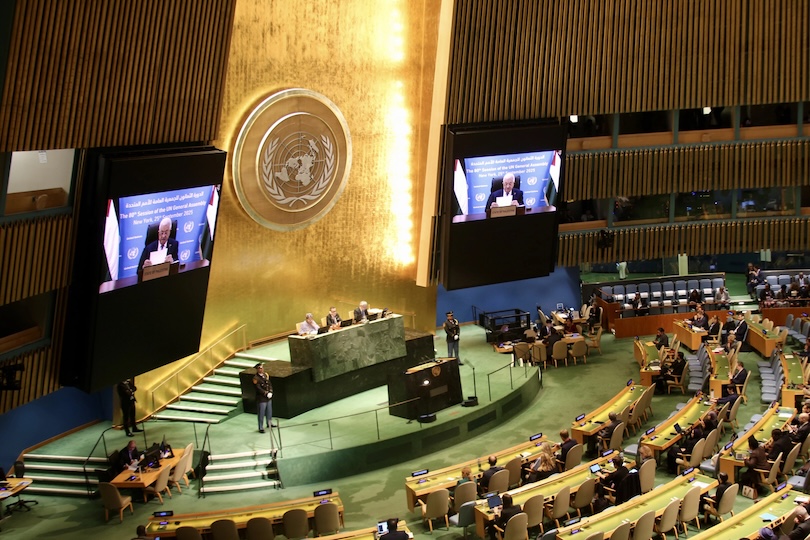
A recent example of this principle in action occurred on the sidelines of the UN General Assembly, where U.S. President Donald Trump and Qatar‘s Emir Sheikh Tamim bin Hamad Al Thani co-hosted a summit. This gathering brought together key leaders from the Arab and Muslim world – including the Presidents of Turkey and Indonesia, the King of Jordan, the Prime Minister of Pakistan, and Foreign Ministers from Egypt, Saudi Arabia, and the UAE. Speaking with a unified voice, these leaders directly urged the United States to support an immediate ceasefire in Gaza, while simultaneously pledging regional coordination for post-conflict reconstruction. This collective,high-level engagement exemplified how focused diplomatic pressure can be effectively directed at a decisive actor.
while navigating the complexities of international conflict requires multifaceted strategies, the power of coordinated, high-level diplomatic missions should not be underestimated. By strategically leveraging collective action and targeting key decision-makers,smaller powers can considerably influence the international response to crises,shaping outcomes and contributing to a more just and peaceful world.
Note: This article was generously supported by Jean Monnet Chair (EUTR-TURBULENT, 101239195).
Further Reading on E-International Relations
Related reading