
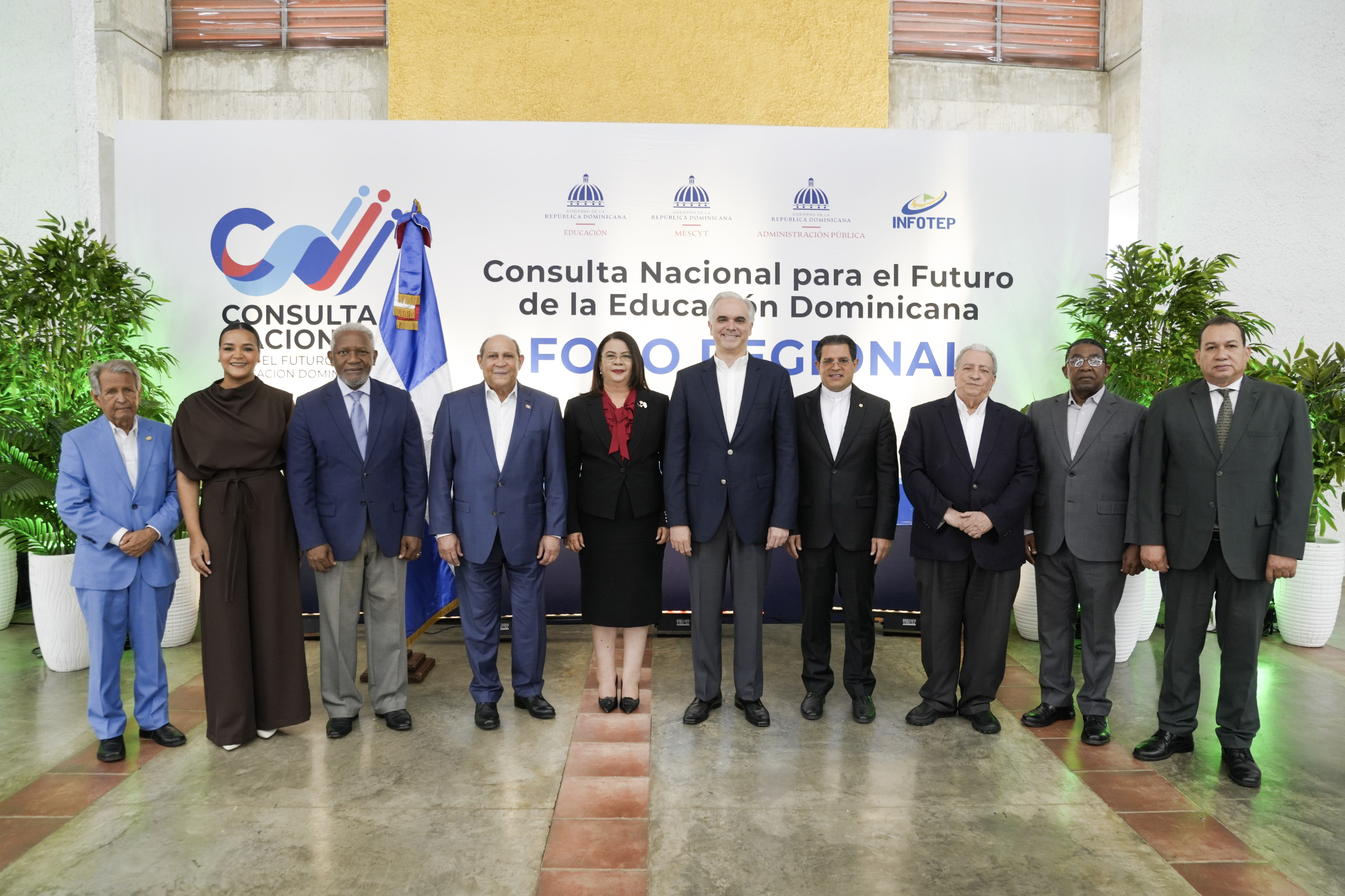
The Dominican Republic is currently undergoing a comprehensive evaluation of its educational framework as the Ministry of Higher Education, Science and Technology (MESCYT) integrates regional perspectives into a national pact for academic reform. Santiago, the nation’s second-largest city and a critical economic hub, has emerged as a central contributor to this process, providing localized data and strategic recommendations aimed at aligning university curricula with the demands of the modern labor market.
According to official statements from the Ministry of Higher Education, Science and Technology (MESCYT), the national consultation process is designed to bridge the persistent gap between academic output and the requirements of the industrial and technological sectors. Minister Rafael Santos Badía has emphasized that the contributions gathered during these regional sessions are not merely advisory but are intended to serve as the structural backbone for a revised General Law on Education (Law 66-97), which governs the country’s academic standards and institutional funding.
Aligning Academic Standards with Economic Growth
The involvement of stakeholders in Santiago reflects a broader strategy to decentralize educational policy-making. By incorporating the views of local university rectors, business leaders, and student representatives from the Cibao region, the government aims to create a more responsive pedagogical model. The primary focus of these discussions centers on increasing the relevance of STEM (Science, Technology, Engineering, and Mathematics) programs, which are currently identified as high-priority areas for the country’s economic development.
Data from the National Statistics Office (ONE) indicates that the Cibao region contributes significantly to the national GDP, making its educational requirements a bellwether for national policy. The integration of these regional inputs into the national framework is expected to address specific deficiencies in technical vocational training, a move supported by the National Institute for Technical Vocational Training (INFOTEP), which often collaborates with MESCYT on workforce development initiatives.
Addressing Structural Challenges in Higher Education
The discourse surrounding the national agreement often highlights the tension between traditional academic structures and the need for agile, skill-based education. Critics of the current system have frequently pointed to the mismatch between graduation rates in social sciences versus the high demand for specialized technical labor. Through the consultative process, the ministry is seeking a consensus on how to incentivize enrollment in fields that support the nation’s growing manufacturing and service sectors.
Minister Santos Badía has noted that the feedback sessions, including those held in Santiago, have yielded specific proposals regarding the modernization of laboratory facilities and the international accreditation of local degrees. These efforts are part of a broader commitment to the Government of the Dominican Republic’s strategic goal of transforming the country into a regional hub for technology and innovation by 2030.
Implementation and Future Milestones
The next phase of this initiative involves the synthesis of regional findings into a consolidated policy document. This document will be presented to the National Council of Higher Education, Science and Technology (CONESCYT) for final review and approval. While a specific date for the implementation of the new reforms has not been finalized, the Ministry has indicated that the legislative drafting process will commence following the conclusion of the final regional consultation rounds.

For students, educators, and institutional leaders, the path forward involves monitoring the official MESCYT portal for updates regarding public hearings and draft legislative proposals. As the government moves toward a finalized agreement, the success of the initiative will depend on the effective translation of these regional inputs into actionable, funded policies that can withstand changes in political cycles.
The transformation of the Dominican education system remains a long-term endeavor, requiring sustained collaboration between the public sector, private industry, and academic institutions. Readers are encouraged to stay informed on these developments through official government channels and to engage in local forums as the national pact moves toward its formal adoption phase. We welcome your thoughts on how these reforms might impact the future of the academic landscape in the Dominican Republic; please share your comments below.