
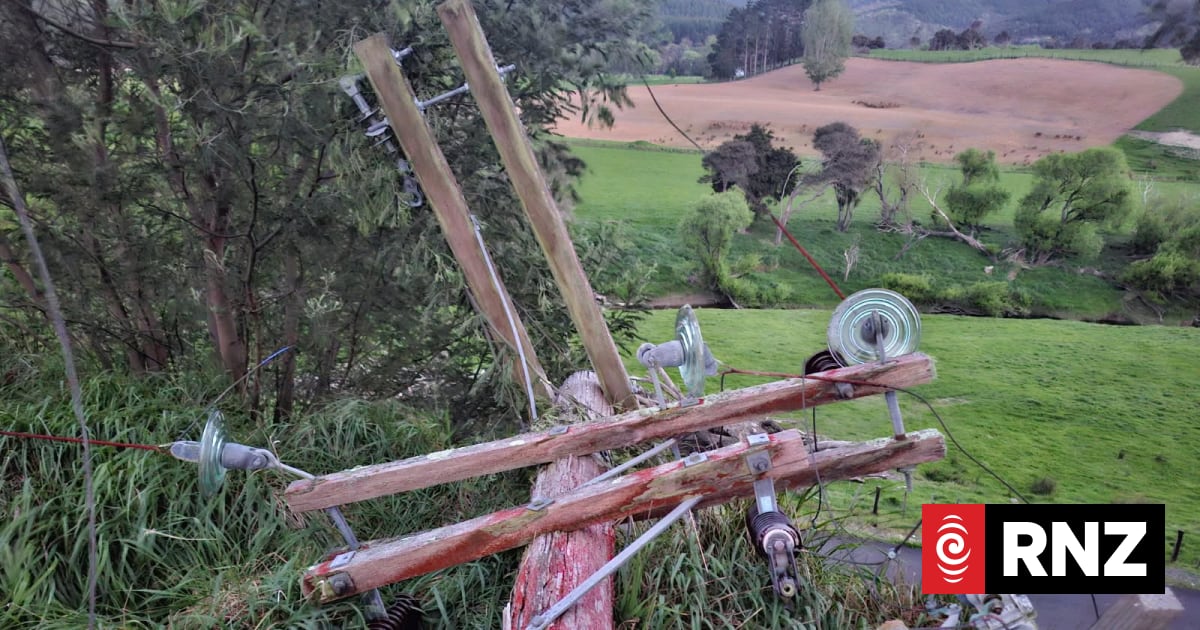
Utility crews in Wellington and across central New Zealand are working to restore electricity to thousands of households following a severe weather system that swept through the region on Friday. While meteorologists at MetService report that the high-intensity winds and heavy rainfall are beginning to ease, the cleanup effort remains significant as downed trees and debris continue to obstruct transport routes.
The storm, which brought gale-force winds to the capital and surrounding districts, caused widespread disruption to the national grid. According to data provided by major regional lines companies and network operators, the primary challenge for emergency teams involves accessing rural areas where storm damage to power lines has been most acute. While the immediate threat to public safety from the storm’s peak has subsided, the aftermath has left local infrastructure under strain.
The Wellington region faced significant wind gusts that peaked on Friday afternoon, leading to the temporary closure of several major roads and the cancellation of multiple ferry services across the Cook Strait. As the weather pattern tracks eastward, residents are being advised to remain cautious of secondary hazards, including localized flooding and unstable ground conditions, as reported by the National Emergency Management Agency.
Restoration of Power and Infrastructure
Repair crews are currently prioritizing the restoration of power to critical infrastructure and high-density residential zones. Coordination between local councils and electrical distribution businesses is ongoing to ensure that resources are deployed efficiently. In areas where the grid sustained structural damage, technicians are working in shifts to replace snapped power poles and clear vegetation from lines.
For many residents, the restoration process is expected to continue throughout the weekend. Officials have emphasized that the complexity of repairs—often requiring specialized equipment to reach damaged lines in rugged terrain—means that some customers may experience intermittent outages even as the main grid stabilizes. Residents are encouraged to monitor the official network status pages for real-time updates regarding their specific service areas.
Managing Residual Storm Risks
While the meteorological conditions have improved, the aftermath of the storm presents ongoing challenges for local travel and public safety. The New Zealand Transport Agency (NZTA) has issued warnings regarding debris on state highways, particularly in coastal areas where high tides and wind-driven surf have deposited materials on the road surface. Motorists are urged to drive to the conditions, as road crews continue to clear blocked culverts and remove downed trees.
The environmental impact of the storm is also being assessed, with local authorities monitoring river levels that rose sharply during the height of the weather event. Although water levels are receding in most catchments, the ground remains saturated, increasing the risk of slips in hilly suburbs. The GNS Science landslide monitoring network provides resources for residents to identify signs of instability in their immediate surroundings.
Looking Ahead: Weather Trends and Recovery
The outlook for the coming days suggests a return to more stable weather patterns. Meteorologists indicate that a ridge of high pressure is expected to move over the country, providing the necessary conditions for repair teams to accelerate their work. This period of calm is critical for the recovery phase, allowing for a full assessment of the economic and structural damage caused by the storm.
The next official update from civil defense authorities is expected on Sunday morning, when a comprehensive assessment of the regional recovery status will be released. In the meantime, residents are encouraged to share information regarding road closures and local outages through verified community channels and to follow the guidance of local emergency management offices. For those still affected by the power cuts, keeping battery-powered devices charged and maintaining access to emergency communications remains the recommended protocol until full service is restored.