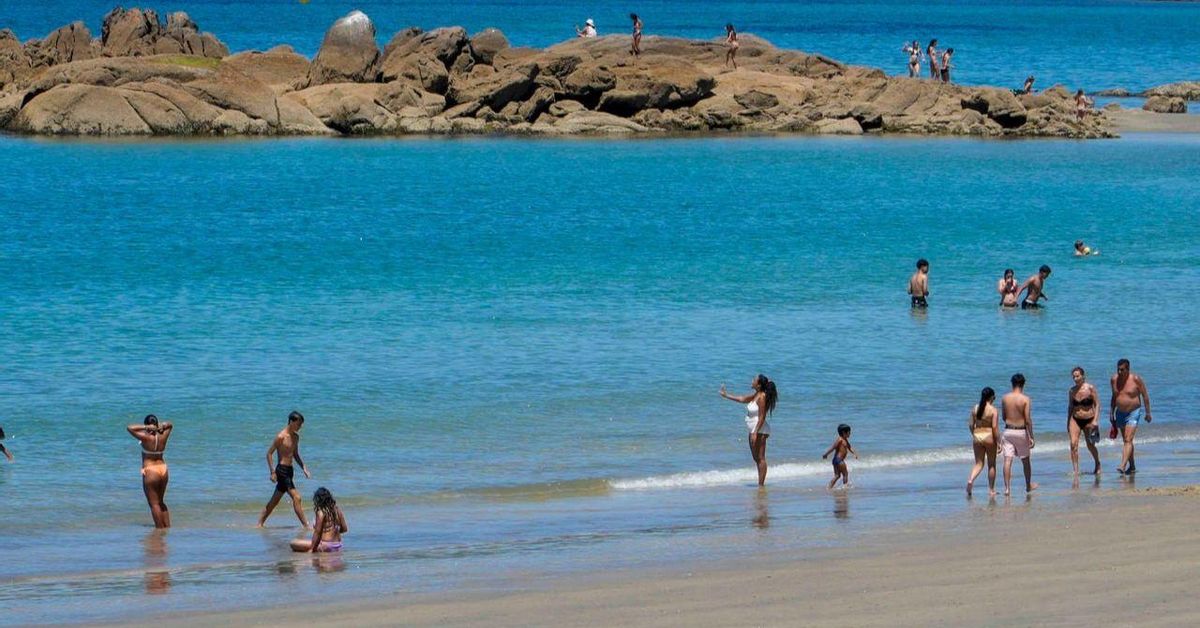
Vigo, Spain, registered a historic high of 39.1 degrees Celsius during a recent heatwave, marking the highest temperature recorded in the city’s urban center this century. According to data from the State Meteorological Agency (AEMET), this peak surpasses the previous record of 37.7 degrees Celsius established in 2018.
The temperature spike represents a significant deviation from the typical maritime climate of the Galician coast. The heatwave extended beyond the city center, with neighboring areas such as Salceda and Ponteareas also reporting extreme thermal peaks. These records align with a broader trend of increasing temperature volatility across Northwest Spain.
Meteorologists attribute the intensity of the heat in the urban core to a combination of atmospheric pressure systems and the urban heat island effect. This phenomenon occurs when metropolitan areas replace natural land cover with dense concentrations of pavement, buildings, and other surfaces that absorb and retain heat.
How the record breaks previous benchmarks
The jump to 39.1 degrees Celsius exceeds the prior century-high by 1.4 degrees. For a city like Vigo, which typically benefits from Atlantic breezes that moderate summer temperatures, such a spike is statistically rare. AEMET, the official government body responsible for weather monitoring in Spain, tracks these shifts to analyze long-term climatic trends AEMET Official Site.
In 2018, the city hit 37.7 degrees, which was considered an anomaly at the time. The current recording indicates that the threshold for “extreme heat” in Galicia is shifting upward. While coastal regions usually remain cooler than the Spanish interior, the penetration of hot air masses from North Africa is becoming more frequent and intense.
Regional impact in Salceda and Ponteareas
The heat was not contained within the city limits. In Salceda and Ponteareas, temperatures climbed even higher due to their inland positioning, which lacks the cooling influence of the Atlantic Ocean. These areas often act as heat traps during stagnant high-pressure events.

Local authorities in the Pontevedra province have monitored these spikes closely, as they increase the risk of wildfires in the surrounding eucalyptus forests. High temperatures combined with low humidity create a volatile environment for the region’s dense vegetation, often requiring the mobilization of emergency services to prevent rural blazes.
The economic and infrastructure toll of extreme heat
Extreme temperature spikes in coastal business hubs like Vigo create immediate pressures on energy grids. The surge in air conditioning usage leads to peak demand loads that can strain local electrical infrastructure. For businesses in the service and tourism sectors, these heatwaves alter consumer behavior, shifting foot traffic away from midday shopping and toward evening activity.

Agricultural outputs in the surrounding Galician countryside also face risks. Prolonged heatwaves can stress local crops and livestock, potentially increasing costs for regional producers. The shift in weather patterns forces a transition in irrigation strategies and crop selection to maintain yields under higher thermal stress.
Why the urban heat island effect matters for Vigo
The disparity between the urban center and the rural outskirts highlights the impact of city planning. Concrete and asphalt absorb solar radiation during the day and release it slowly at night, preventing the city from cooling down. This keeps nighttime temperatures higher than they would be in a natural landscape.
City planners are increasingly looking at “green infrastructure”—such as urban forests, permeable pavements, and reflective roofing—to mitigate these effects. Reducing the urban heat island effect is now a priority for European cities aiming to meet climate resilience goals and protect vulnerable populations, particularly the elderly, from heat-related health crises.
The next official climate summary from AEMET will provide a detailed analysis of the season’s anomalies and whether this event is part of a permanent shift in the region’s baseline temperature. Readers can monitor real-time alerts and official weather warnings through the AEMET portal.
Do you believe urban planning in your city is keeping pace with rising temperatures? Share your thoughts in the comments or share this report with your network.