The intersection of high fashion and the cinematic backdrop of Southern California has long been a fascination for the global luxury market. When a heritage house like Hermès chooses to stage a major runway presentation in Los Angeles, it serves as more than a simple display of craftsmanship; it is a strategic alignment between traditional French savoir-faire and the contemporary influence of the American West Coast. As an observer of international cultural shifts, I have watched how these destination shows redefine the relationship between iconic European design houses and their most influential global markets.
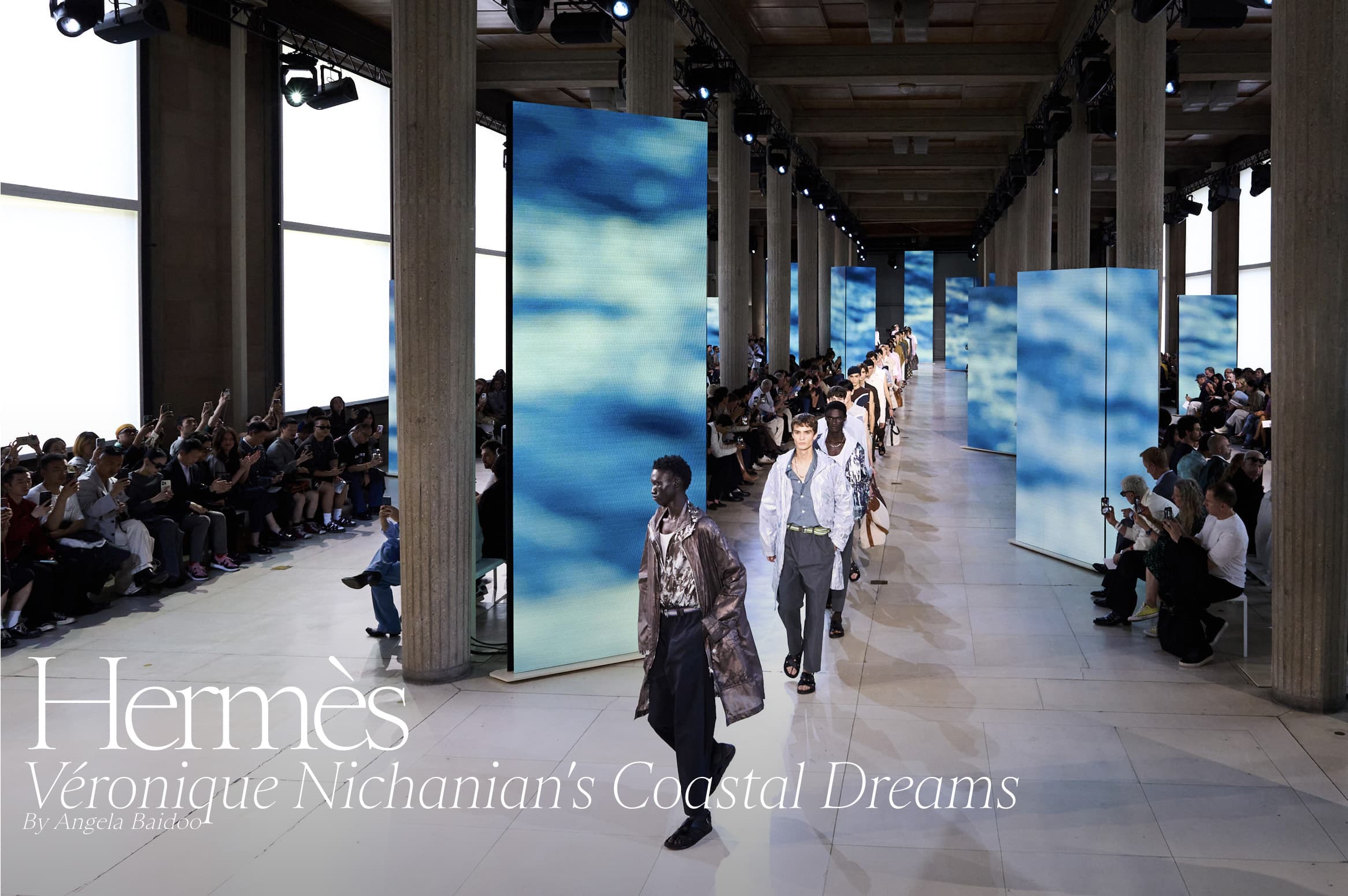
The Hermès showcase in Los Angeles, which drew significant attention from fashion critics and industry insiders alike, highlights the brand’s deliberate approach to global expansion. For a house that prides itself on longevity and the meticulous nature of its atelier, the decision to plant its flag in a city synonymous with modern entertainment and celebrity culture is a deliberate move to bridge the gap between historical heritage and the pulse of current trends. Such events are rarely just about the garments; they are about establishing a presence in the cultural capitals that dictate global consumption patterns.
The Evolution of the Destination Runway
In the modern luxury landscape, the “destination show” has become a vital tool for brands to maintain relevance. By moving away from the traditional confines of Paris, Milan, or London, houses like Hermès can curate an environment that reflects their specific brand identity while engaging with local audiences. The choice of Los Angeles—a hub of creativity that thrives on a blend of casual luxury and high-end glamour—offers a unique canvas for designers to experiment with how their silhouettes interact with different climates and lifestyles.
According to reports from the Business of Fashion, luxury brands have increasingly prioritized these localized experiences to foster deeper connections with high-net-worth consumers in North America. This strategy is not merely about logistics; it is about narrative building. For Hermès, a brand deeply rooted in equestrian tradition and leatherwork, the challenge lies in translating that narrative into a language that resonates with the fast-paced, image-conscious environment of Hollywood and beyond.
Craftsmanship in a Global Context
What remains constant, even when the venue changes, is the focus on the product. The hallmark of an Hermès presentation is the unwavering dedication to material quality and technical precision. Whether the collection is shown in a minimalist setting or a grand architectural space, the focus remains on the tactile nature of the silks, the structure of the leather goods, and the timelessness of the designs. This commitment to the “hand” of the maker is what separates the brand from the broader trends of fast fashion.
:max_bytes(150000):strip_icc()/cityscape-of-the-los-angeles-skyline-at-dusk-los-angeles-california-united-states-of-america-north-america-530065311-57924bb33df78c17348ace09.jpg "Los Angeles")
In analyzing such spectacles, one must look beyond the immediate visual impact of the event and consider the long-term implications for the brand’s market position. The Hermès official corporate site provides consistent updates on their global retail footprint and their commitment to sustainable production, which remains the bedrock of their operations. By maintaining a rigorous standard for their artisans while embracing the marketing power of high-profile international events, the house successfully manages to appear both exclusive and accessible to its target demographic.
What So for the Future of Luxury
The success of the Los Angeles event signals a broader trend in the luxury sector: the decentralization of the fashion calendar. We are seeing a shift where the “capital” of fashion is no longer a fixed point but a fluid concept that follows the wealth and the cultural influence of the consumer. This evolution requires brands to be more agile, more culturally aware, and more willing to step out of their comfort zones to meet their audience where they live.
For those interested in the economic and cultural impact of these shifts, the LVMH Group and other major luxury conglomerates often release annual reports detailing the performance of their various houses in international markets, providing a clearer picture of how these investments translate into tangible growth. It is a fascinating time to be reporting on this sector, as the lines between art, commerce, and celebrity culture continue to blur in ways that were unimaginable just a few decades ago.
Key Takeaways for the Global Consumer
- Strategic Positioning: Brands are increasingly using destination shows to tap into localized cultural influence in major markets like Los Angeles.
- Heritage vs. Innovation: The core of the luxury experience remains rooted in traditional craftsmanship, even when presented in modern, unconventional settings.
- Market Dynamics: The luxury sector is shifting toward a more decentralized model, focusing on direct engagement with high-value consumers worldwide.
As we look toward the next season, the industry will continue to prioritize these large-scale, immersive experiences. Whether these shows will continue to grow in scale or pivot toward more intimate, exclusive gatherings remains to be seen. I invite our readers to share their thoughts on whether they believe these destination shows enhance the luxury experience or if they risk diluting the exclusivity of the heritage houses. Your perspectives are an essential part of our ongoing dialogue at the World Today Journal.
Stay tuned for our upcoming analysis on the Q3 retail performance reports, which will offer further insight into how these marketing investments are impacting bottom-line growth for the world’s most influential fashion houses. We will continue to track these developments and provide updates as more official data becomes available.
Worth a look