
As the summer season progresses, weather patterns across Spain have become a focal point for both residents and international observers planning their travel or professional agendas. Recent meteorological analysis indicates a period of stable conditions, offering a window of clear skies and predictable temperatures that contrast with the more volatile extremes often seen during the warmer months.
For those navigating the urban landscape of Madrid, the current forecast provides a reprieve from the intense heat waves that can sometimes impact the Iberian Peninsula. According to data provided by the Agencia Estatal de Meteorología (AEMET), the national authority responsible for weather monitoring and climate forecasting in Spain, the region is experiencing moderate thermal ranges that support outdoor activities without the immediate threat of extreme heat-related health risks.
Understanding the Current Meteorological Stability
The concept of “stable weather” in a Mediterranean climate often implies a lack of significant precipitation and a consistent diurnal temperature range. Meteorologists frequently emphasize that while daytime highs may reach seasonal norms, the primary indicator of comfort during the summer is the nighttime minimum. In the Madrid metropolitan area, recent observations show nighttime lows hovering in the 18-19 degree Celsius range. This specific temperature bracket is significant because it prevents the “tropical night” phenomenon—where temperatures stay above 20 degrees—which is known to contribute to heat stress and sleep disruption in urban populations, as detailed in World Health Organization (WHO) guidance on extreme heat.
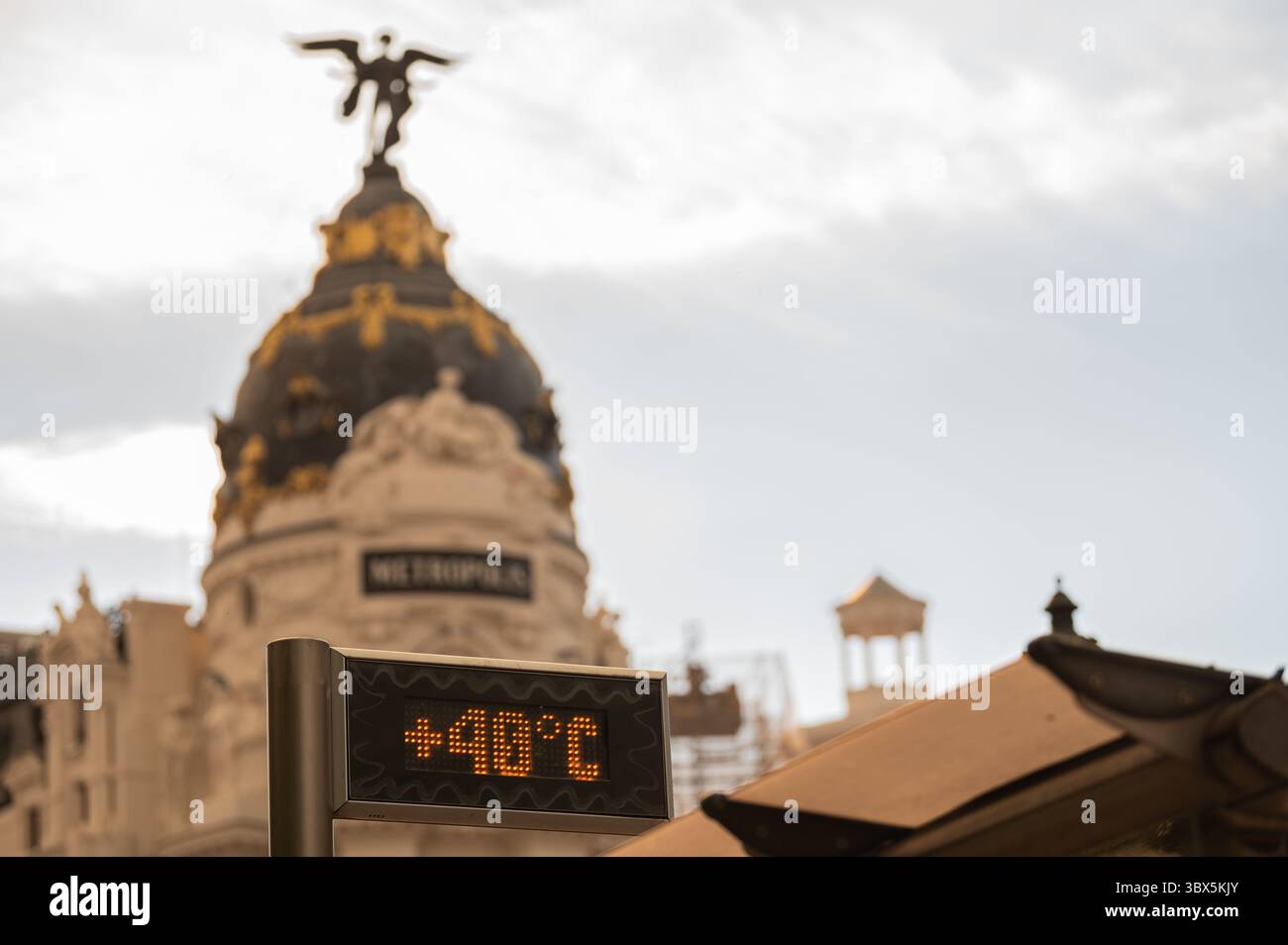
The stability currently observed is largely attributed to the positioning of high-pressure systems, or anticyclones, which suppress the formation of storm clouds and maintain clear, sunny skies. For the general public, this means that outdoor plans, whether for tourism or official engagements, are less likely to be disrupted by sudden atmospheric instability or severe weather events.
Impact on Urban Planning and Public Events
When high-profile events are scheduled in densely populated cities like Madrid, meteorological monitoring becomes an essential component of logistics. The ability to forecast temperatures accurately allows organizers to manage public health risks, such as dehydration or heat exhaustion, by ensuring that water stations and shaded areas are adequately prepared. The current forecast suggests that conditions will remain well within the manageable threshold for large-scale outdoor gatherings, allowing for the continuation of planned agendas without the need for significant emergency modifications.
For those traveling to the Spanish capital, the official tourism portal for Madrid provides ongoing updates and safety tips for visitors navigating the city during the summer months. It is standard practice for local authorities to issue advisories if temperatures are expected to climb toward the 35-40 degree Celsius range, which would trigger more stringent public health protocols under Spain’s national heat prevention plan.
Key Considerations for Summer Travel
- Hydration: Maintain consistent water intake, especially when spending extended periods outdoors in the Mediterranean sun.
- Peak Sun Exposure: Experts recommend limiting outdoor exertion between 12:00 PM and 5:00 PM, when UV radiation levels are at their highest.
- Monitoring Updates: Always check the latest bulletins from AEMET before finalizing daily itineraries, as mountain ranges and microclimates can lead to localized variations.
The Role of Long-Term Climate Monitoring
The shift toward more frequent heat-related events in Europe has necessitated a more robust approach to how we interpret short-term forecasts. While the current outlook for Madrid is stable and relatively mild for the season, the broader context remains one of caution. According to the Copernicus Climate Change Service, monitoring these patterns is vital for urban resilience, as cities continue to implement “green” infrastructure to mitigate the urban heat island effect—a phenomenon where cities remain significantly warmer than surrounding rural areas.
As we move through the remainder of the summer, the focus remains on the reliability of these meteorological models. For residents and visitors alike, the current stability serves as a reminder of the importance of staying informed through verified channels. Whether you are managing a complex schedule or simply enjoying the seasonal climate, utilizing official data remains the most effective way to navigate the environmental conditions of the coming days.
We encourage our readers to share their experiences with local weather conditions in the comments section below and stay tuned to our business and policy updates as we continue to track how environmental variables influence global economic and social activity throughout the summer.
Keep reading