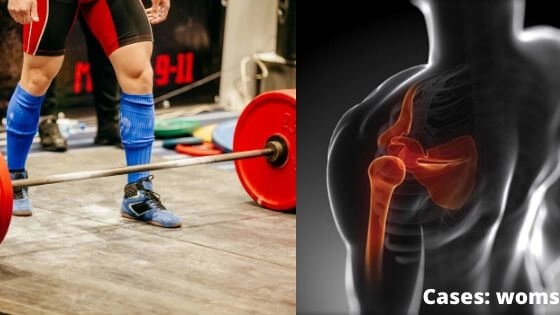
When an athlete experiences a sudden, audible “pop” during a heavy lift, followed by intense pain and a visible change in muscle contour, it is often a sign of a significant orthopedic injury. In clinical settings, this specific presentation is colloquially known as a Popeye deformity. As a physician, I have seen how these injuries—often involving the rupture of the distal biceps tendon—can be alarming, yet they are well-understood within the field of sports medicine and orthopedics.
The term “Popeye deformity” refers to the characteristic appearance of the biceps muscle bunching up toward the shoulder or the elbow, creating a localized bulge that resembles the cartoon character’s famously exaggerated arm. This clinical sign is a hallmark of a complete tendon rupture, where the muscle belly retracts from its normal attachment point, leaving the limb with a distinct, altered silhouette.
Understanding Distal Biceps Tendon Ruptures
The biceps brachii muscle is responsible for flexing the elbow and rotating the forearm. It is anchored to the bone by two tendons at the shoulder (the proximal attachment) and one powerful tendon at the elbow (the distal attachment). According to the American Academy of Orthopaedic Surgeons (AAOS), a distal biceps tendon rupture typically occurs when a sudden, heavy load is placed on a flexed elbow, causing the tendon to detach from the radial tuberosity.

When this happens, the muscle retracts proximally, which is what creates the “Popeye” appearance. Patients frequently report feeling or hearing a snap at the moment of injury, followed by weakness in forearm rotation and elbow flexion. While the deformity is the most visible sign, the functional loss—particularly in strength—is the primary concern for orthopedic specialists and patients alike.
Clinical Evaluation and Diagnosis
If you suspect a tendon rupture, seeking prompt medical evaluation is critical. A physical examination is the first step, where a physician will assess the integrity of the tendon through specific tests. As noted by the National Library of Medicine, clinical diagnostic maneuvers, such as the “hook test,” are standard in determining whether the distal biceps tendon is intact or completely avulsed.

Imaging studies, such as Magnetic Resonance Imaging (MRI), are often utilized to confirm the diagnosis and determine the degree of retraction. An MRI provides a detailed view of the soft tissues, allowing the surgical team to visualize the exact location of the tear and plan for potential intervention.
Treatment Pathways: Surgical vs. Non-Surgical
Treatment for a Popeye deformity depends largely on the patient’s age, activity level, and functional demands. For some individuals, particularly those who are older or have low physical demands, non-surgical management—focusing on physical therapy and rehabilitation—may be an option. However, this approach often results in a permanent loss of strength, particularly in supination (rotating the palm upward).
For active individuals, athletes, or those whose professions require significant arm strength, surgical repair is frequently recommended. The goal of surgery is to reattach the tendon to the bone. According to current medical guidelines outlined by clinical research databases, early surgical intervention—ideally within a few weeks of the injury—tends to yield the best functional outcomes, as it prevents the muscle from scarring in its retracted position.
Key Takeaways for Patients
- Recognize the Signs: A sudden snap during a lift, sharp pain, and a visible bulge in the upper arm are classic indicators of a potential rupture.
- Seek Expert Care: Early consultation with an orthopedic surgeon is essential to discuss whether surgical repair is necessary to restore strength.
- Understand Recovery: Recovery from surgical repair is a process that involves a period of immobilization followed by a structured physical therapy regimen to regain range of motion and muscle power.
Looking Ahead: Prevention and Recovery
While injuries can occur despite careful preparation, maintaining proper lifting technique and avoiding sudden, eccentric loads on a fully extended or flexed elbow are fundamental principles in sports safety. For those currently navigating a recovery, the focus remains on following the rehabilitation protocol prescribed by your orthopedic specialist. The journey back to full activity is individual, and patience during the healing process is just as essential as the surgery itself.

As we continue to monitor advancements in orthopedic surgical techniques, including minimally invasive procedures that aim to reduce recovery time, early diagnosis remains the most significant factor in patient outcomes. If you or someone you know has experienced symptoms similar to those described, consult with a qualified medical provider to initiate a personalized care plan.
Have you or an athlete you know navigated an orthopedic injury? Share your thoughts or questions in the comments below, and stay tuned to our Health section for further updates on sports medicine and injury prevention.
Keep reading