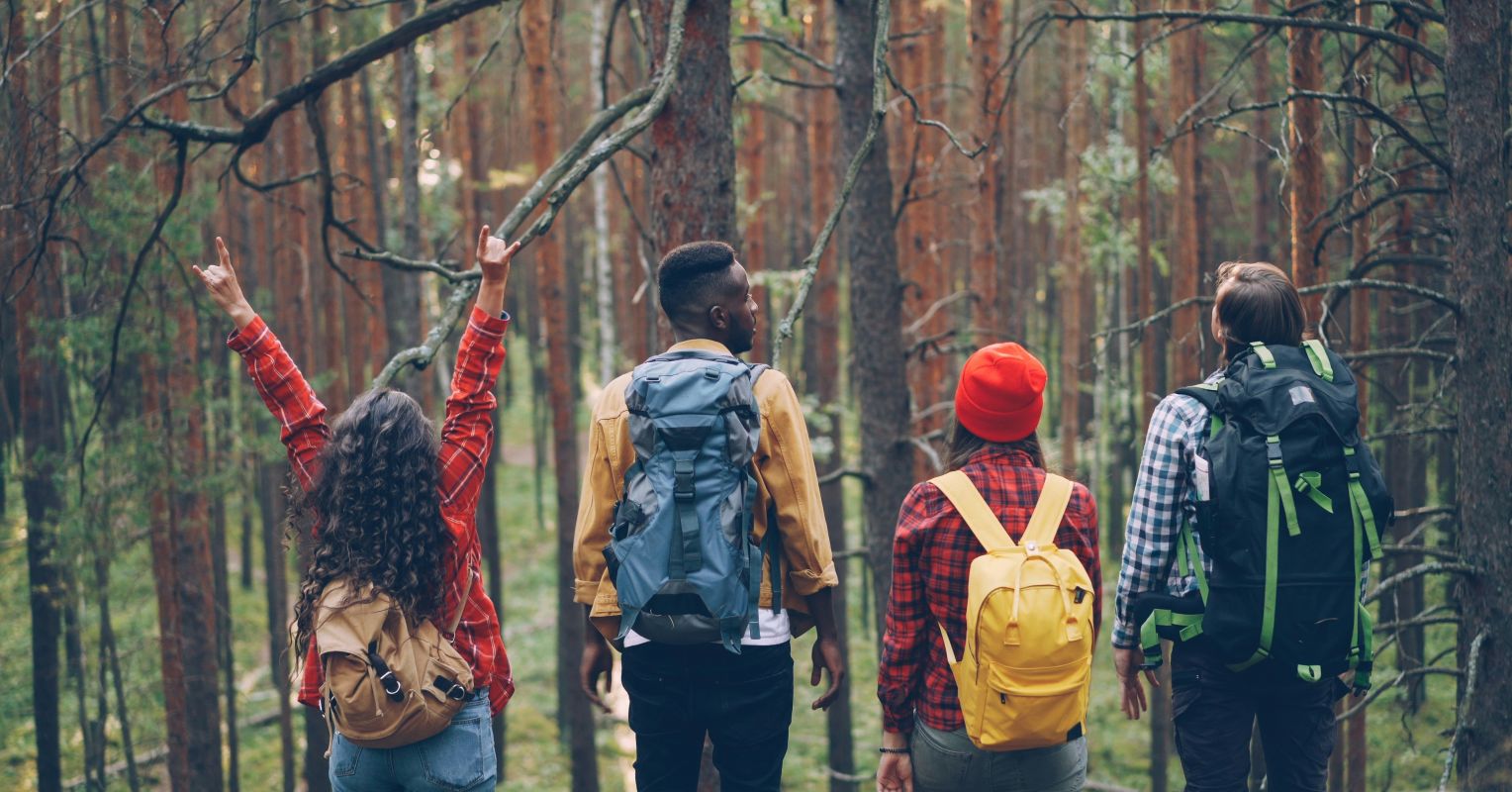
The Healing Power of Hiking: How Nature Nurtures Teen Well-being
For adolescents navigating the complexities of growing up,the challenges can feel overwhelming.Increasingly, educators and mental health professionals are recognizing a powerful, often overlooked resource for supporting teen well-being: the great outdoors. Specifically, hiking offers a unique blend of physical activity, mindful engagement, and connection to nature that can profoundly impact emotional regulation, resilience, and even academic performance.
This article explores the science-backed benefits of hiking for teenagers, particularly those facing difficulties with emotional regulation or school engagement. We’ll delve into how nature acts as a restorative force, builds self-efficacy, and fosters a sense of belonging - all crucial components of a thriving adolescence.
Why Hiking Matters: The Science Behind the Benefits
The positive effects of spending time in nature aren’t simply anecdotal. A growing body of research demonstrates a clear link between exposure to natural environments and improved mental and emotional health. HereS a breakdown of what the science reveals:
* Hormonal Regulation: Time in nature has been shown to positively influence hormone levels. this can lead to improvements in mood, reduced impulsivity, and greater emotional stability.
* Brain Activity & Rumination: Studies,like those conducted by Gregory Bratman and his team,reveal that hiking actively reduces rumination – that cycle of repetitive negative thoughts. Brain scans show decreased activity in the areas associated with self-criticism, allowing for a shift in focus outward.
* Cognitive Restoration: The Attention Restoration Theory explains why students frequently enough return to learning with renewed focus after time in nature. Hiking refreshes cognitive resources, enhancing concentration and overall academic engagement.
* Trauma & Stress Reduction: The Children & Nature network (C&NN), a leading research-informed nonprofit, highlights nature as a “powerful antidote” to the negative impacts of trauma and stress in children’s lives.
Building Resilience Through Challenge & Metaphor
Hiking isn’t just about scenic views; it’s about encountering and overcoming challenges. These challenges – whether it’s navigating a rocky trail, weathering a sudden rain shower, or pushing through physical fatigue – provide invaluable opportunities for growth.
Consider this:
* Self-Efficacy & Perseverance: Facing reasonable challenges in a natural setting builds self-efficacy – the belief in your ability to succeed. This, in turn, fosters resilience and perseverance.
* Life’s Metaphor: As educator Trundy points out, the discomforts encountered on a hike can serve as powerful metaphors for life. Learning to navigate these challenges with the right tools and support translates to a greater sense of confidence in tackling adversity elsewhere.
* Identity Expansion: Overcoming obstacles in nature can lead to positive identity expansion. You might find yourself thinking, “If I can handle this hike, I can handle other difficult things in my life.”
Adventure therapy research strongly supports this concept, demonstrating how carefully designed outdoor experiences can promote personal growth and self-discovery.
Beyond discipline: Connection, Accountability & Belonging
Traditional disciplinary approaches often fall short, especially for teens who struggle with regulation or engagement. What these students need isn’t more rules, but rather supportive relationships and environments that nurture their well-being.
Hiking provides exactly that:
* Accountability Without Isolation: Hiking with a caring adult offers accountability in a supportive context, avoiding the shame and isolation often associated with traditional punishment.
* Movement & Mindfulness: The physical activity of hiking combined with the mindful presence required to navigate the trail creates a powerful combination for emotional regulation.
* Community & Belonging: Hiking fosters a sense of community and belonging, particularly when done in a group. This connection is vital for adolescent development.
The proof is in the participation. Students who initially hike as part of a school program are frequently enough inspired to join Outing Clubs, continuing to experience the benefits long after their initial “detention” has ended.
Creating Opportunities for Nature Connection
The benefits of hiking are clear. So, how can you facilitate these experiences for the teens in your life?
* School Programs: Advocate for incorporating outdoor education and hiking opportunities into school curricula.
* Community Organizations: Explore local hiking groups and outdoor adventure programs designed for teens.
* Family Outings: Make hiking a regular family activity.
* Mindful Exploration: Encourage teens to be present and mindful
Related reading
- Women’s Health Strategy: No Improvement After One Year as Minister Lacks Urgency
- How the Corona Pandemic Fueled the Fintech Boom: The Rise of Payment Giants like Adyen
- RAP vs. IBR: What Your New Student Loan Bill Actually Costs (daybreakwire.com)
- PA School Bus Aide Arrested for Assaulting Special Needs Student (archyde.com)