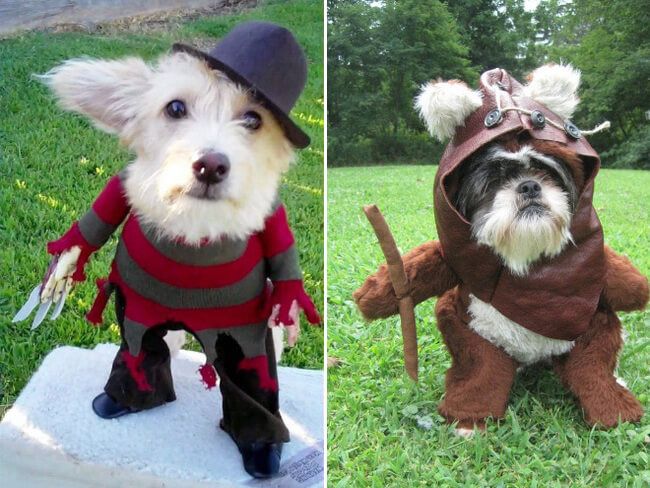
A viral video showcasing a domestic dog mimicking a lion’s hunting sequence has captured global attention, contrasting the intensity of a wild predator with the playfulness of a pet. The clip, widely shared across social media and platforms associated with Animal Planet, uses a “bait-and-switch” format to trigger laughter through an unexpected reveal of a dog in a costume.
The footage initially presents a high-tension scene reminiscent of a nature documentary, featuring a creature stalking its prey with calculated movements. However, the tension breaks within seconds when the camera reveals the “predator” is a domestic dog wearing a faux lion’s mane. This juxtaposition of wild instinct and domestic absurdity has led to millions of views and a surge in “predator cosplay” among pet owners globally.
Industry analysts note that the video’s success relies on the subversion of expectations, a common trope in short-form video content. By mirroring the cinematic language of wildlife filmmaking—low angles, slow motion, and focused gazing—the creators lead the viewer to expect a violent or dramatic conclusion, only to deliver a comedic punchline. This format has become a staple for engagement on platforms like TikTok, Instagram Reels, and YouTube Shorts.
The trend highlights a broader shift in how audiences consume nature-related content. While traditional documentaries focus on the raw reality of survival, social media iterations often blend education with humor to reach younger demographics. This hybrid approach allows brands like Animal Planet to maintain relevance in a digital landscape dominated by user-generated content (UGC).
Why did the “Lion Dog” video go viral?
The viral nature of the clip stems from the psychological phenomenon of “incongruity,” where the brain experiences a sudden shift from one mental framework to another. Viewers are primed for a scene of predation—the “lion hunting an antelope”—but are instead presented with a domesticated animal in a costume. This sudden shift triggers a laughter response as the brain resolves the contradiction.
According to digital trend reports, the “expectation vs. reality” format is one of the most effective drivers of shareability. When a video successfully tricks the viewer for even one second, it creates a high-impact emotional payoff. In this case, the contrast between the perceived danger of a lion and the known gentleness of a dog creates a “cute” factor that encourages users to tag friends and share the content across their networks.
Furthermore, the video taps into the global community of “pet parents.” The act of dressing pets in costumes—known as pet cosplay—has evolved from a niche hobby into a mainstream social activity. By framing a pet’s natural curiosity or “zoomies” as a calculated hunt, owners add a narrative layer to their pets’ behavior, transforming a simple play session into a “drama” that resonates with other animal lovers.
How do dog instincts mimic wild predators?
While the video is comedic, the behavior exhibited by the dog—the low crouch, the focused stare, and the sudden spring—is rooted in actual canine biology. Dogs, as descendants of wolves, possess an innate “prey drive,” which is a genetically encoded tendency to pursue and capture moving objects.

Behavioral experts indicate that this drive manifests in domestic dogs as play. When a dog “stalks” a toy or a family member, they are practicing ancestral hunting behaviors. The “pounce” seen in the viral clip is a refined motor skill used by canines to disable prey in the wild. In a domestic setting, this becomes a game of fetch or a playful ambush, allowing the dog to expend energy and satisfy biological urges.
The effectiveness of the “lion” disguise in the video is enhanced by these genuine movements. Because the dog’s body language matches that of a big cat, the illusion holds until the visual reveal of the costume. This biological overlap is why certain breeds, such as Golden Retrievers or German Shepherds, are often used in these videos; their size and movement patterns more closely resemble wild canids or felids than smaller toy breeds.
What is the impact of pet cosplay on social media?
Pet cosplay has become a significant driver of the “pet economy,” influencing everything from accessory sales to the way animal shelters market their animals. The “lion mane” costume, specifically, has seen periodic spikes in sales on e-commerce platforms whenever such videos go viral. This cycle demonstrates the direct link between viral content and consumer behavior.
However, the trend also raises discussions among veterinary professionals regarding pet comfort. While most “lion” costumes are simple collars that do not restrict movement, experts advise owners to ensure that costumes do not cause stress or impede a pet’s ability to breathe or see. The success of the viral video is attributed to the dog appearing relaxed and engaged in play, rather than distressed by the attire.
From a marketing perspective, the “predator” trend allows pet brands to create relatable content. By positioning a domestic pet as a “fierce beast,” brands can play with the irony of a pampered animal acting wild. This creates a narrative of “secret lives of pets,” which continues to be a powerful theme in entertainment and advertising.
How has nature content evolved for the digital age?
The transition of nature content from long-form television to short-form social clips represents a strategic pivot by media entities. Traditional wildlife cinematography requires months of patience and high-budget equipment to capture a single hunt. In contrast, the “Lion Dog” video achieves a similar visual hook using a smartphone and a costume, democratizing the “nature film” aesthetic.

This evolution has led to the rise of “infotainment,” where the line between a scientific observation and a meme is blurred. By sharing a funny dog video that looks like a lion hunt, platforms can lead viewers toward actual educational content about big cats. This “gateway” effect is crucial for maintaining public interest in wildlife conservation and animal biology among audiences who may not watch a full-hour documentary.
The “Lion Dog” phenomenon is not an isolated incident but part of a pattern of “animal mimicry” content. Similar trends have included cats acting like tigers or dogs mimicking the behavior of wild wolves. Each of these trends reinforces the human fascination with the connection between the animals in our homes and their wild ancestors.
As algorithmic feeds continue to prioritize high-retention “twist” videos, the production of these clips is expected to increase. The “one-second reveal” is a proven formula for capturing attention in an era of shrinking attention spans, ensuring that the “predator-to-pet” pipeline remains a dominant force in online entertainment.
The next phase of this trend is likely to involve augmented reality (AR) filters, where pets can be digitally transformed into wild animals in real-time, further blurring the line between domestic reality and wild fantasy.
Readers can find more official updates on animal behavior and wildlife conservation through the World Wildlife Fund (WWF) or by following verified nature channels on social media.
Do you have a pet that thinks they are a wild predator? Share your stories and videos in the comments below.