
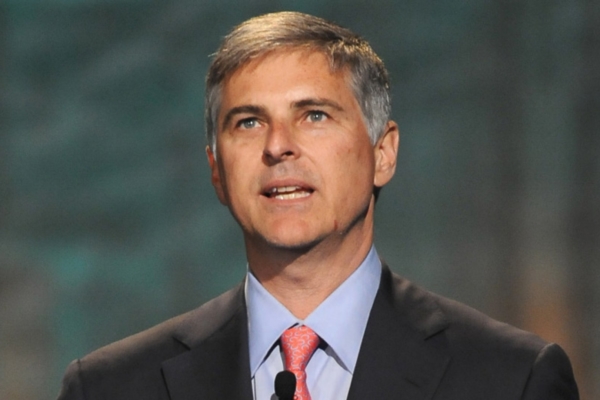
Hilton Worldwide Holdings is exploring a potential return to Venezuela after more than a decade of absence, according to public statements by its chief executive. The company is assessing economic and security conditions in the country as part of a broader strategy to re-enter markets where it previously operated before withdrawing due to political instability and asset nationalizations.
Christopher Nassetta, president and chief executive officer of Hilton Worldwide Holdings, confirmed in recent interviews that the hotel chain is engaged in preliminary discussions about resuming operations in Venezuela and Cuba. These talks are part of Hilton’s global expansion plan, which includes evaluating opportunities in regions where the brand once had a presence but exited amid geopolitical tensions.
Hilton previously managed up to 12 hotels in Venezuela before 2009, when the government of then-president Hugo Chávez initiated the nationalization of several private properties, including hotel assets. Similarly, in Cuba, the Fidel Castro administration expropriated the Hilton Hotel in Havana in 1959, ending the company’s operations there decades ago.
The potential return to Venezuela comes amid signs of gradual economic stabilization and growth in the services sector, particularly in key urban centers like Caracas and tourist destinations such as Isla de Margarita. Hilton officials have indicated they are reviewing both the possibility of reactivating former properties and forming new partnerships with local investors to meet the company’s global brand standards.
Any re-entry would require Hilton to ensure that operational, safety, and service benchmarks are met, reflecting the company’s commitment to maintaining consistency across its international portfolio. The firm has emphasized that any decision to proceed will depend on securing the necessary guarantees for long-term viability and brand integrity.
Historical Context: Hilton’s Presence and Exit from Venezuela
Before its withdrawal, Hilton operated a notable footprint in Venezuela’s hospitality sector, managing a portfolio of hotels that served both international tourists and business travelers. The company’s exit followed a broader trend of foreign asset nationalizations under the Chávez administration, which targeted industries ranging from telecommunications to energy and hospitality.
The 2009 nationalizations affected several Hilton-affiliated properties, prompting the company to suspend operations and withdraw from the market. Since then, Hilton has not maintained an active presence in Venezuela, though the brand has remained recognizable through legacy associations and occasional references in travel industry discussions.
In Cuba, the situation dates back further, with the 1959 revolution leading to the seizure of foreign-owned assets, including the Havana Hilton. The property was later rebranded and operated under state management, marking the end of Hilton’s direct involvement in the Cuban hospitality market for over six decades.
Current Evaluation: Assessing Market Conditions and Risks
Hilton’s current evaluation process includes a technical review of existing infrastructure that once bore its brand, as well as an analysis of prevailing economic indicators, tourism trends, and security conditions. The company is reportedly focusing on cities with established demand for upscale accommodations, particularly those linked to corporate activity and leisure travel.
Officials have noted that Venezuela’s evolving economic landscape — including gradual reforms and increased private sector engagement in certain sectors — has prompted renewed interest from multinational firms assessing re-entry opportunities. However, Hilton has stressed that its approach remains cautious and condition-based, with no commitments made beyond the exploratory phase.
The company’s interest aligns with a broader pattern among international hospitality brands monitoring Latin American markets for signs of stability and growth. While specific timelines or investment figures have not been disclosed, Hilton’s public statements suggest a measured, due-diligence-driven approach to any potential re-establishment of operations.
Implications for Venezuela’s Tourism and Business Sectors
Should Hilton proceed with a return, industry analysts suggest it could signal renewed confidence in Venezuela’s economic recovery and serve as a catalyst for further foreign interest in the country’s hospitality and services industries. The presence of a globally recognized brand like Hilton may also contribute to raising service standards and encouraging investment in hotel infrastructure and workforce training.
Such a development could lead to direct and indirect job creation, particularly in areas such as hotel management, maintenance, food and beverage services, and tourism-related occupations. The re-entry of a major international chain might enhance Venezuela’s appeal to global business travelers and event organizers seeking reliable, internationally branded accommodations.
Nevertheless, any projection of impact remains speculative at this stage, contingent upon Hilton’s final decision and the scale of any eventual re-entry. The company has not indicated whether it would pursue franchising, management contracts, or ownership models, nor has it disclosed potential timelines for a formal launch.
Next Steps and Outlook
As of now, Hilton has not announced a definitive timeline for concluding its evaluation or making a final determination about re-entering the Venezuelan market. The company continues to monitor economic developments, consult with local stakeholders, and assess risks associated with operating in a complex regional environment.
For updates on Hilton’s international expansion plans, including any formal announcements regarding Venezuela or other markets under review, the company advises referring to its official investor relations website and press release archives, where material developments are typically disclosed in accordance with regulatory requirements.
Those interested in following this story are encouraged to share insights or observations in the comments section below, helping to foster a broader understanding of how global brands assess opportunities in evolving markets.