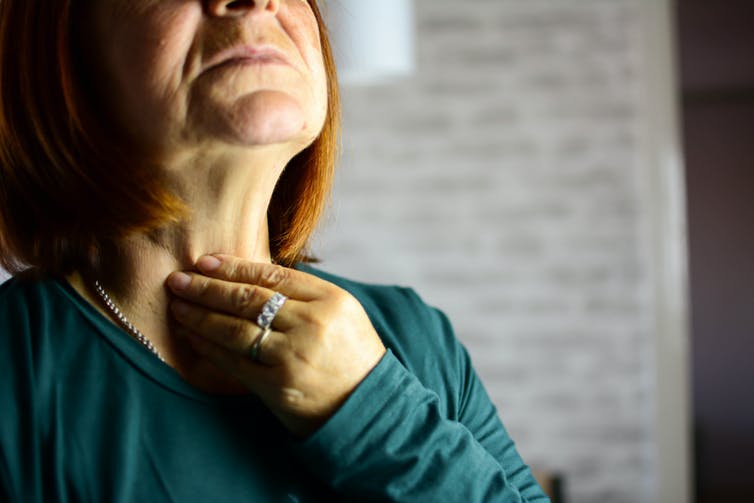
For millions living with hypoparathyroidism, everyday activities—a morning cup of coffee, a walk to work, or even a good night’s sleep—can become a daily struggle. This rare endocrine disorder, marked by dangerously low calcium levels due to insufficient parathyroid hormone, affects an estimated 1 in 2,000 to 5,000 people globally, yet its symptoms often mimic more common conditions, leading to misdiagnosis and delayed treatment. On the heels of World Hypoparathyroidism Awareness Day (October 25), experts and patient advocates are sounding the alarm: chronic hypoparathyroidism doesn’t just disrupt health—it silently erodes quality of life, with ripple effects across bones, kidneys, and the nervous system.
“Patients describe it as living with a ‘ghost illness’—one that’s invisible to others but leaves them exhausted, in pain, and constantly managing symptoms no one else understands,” says Dr. Ana Martínez, an endocrinologist at Hospital Clínic de Barcelona, who specializes in rare endocrine disorders. “The lack of awareness extends to doctors, too. Many primary care physicians may not recognize the subtle signs until the disease has progressed.”
This article explores why hypoparathyroidism remains one of medicine’s overlooked conditions, the latest research on its impact, and what patients and clinicians can do to improve outcomes. From neurological symptoms like chronic fatigue and depression to the long-term risks of kidney stones and osteoporosis, the disorder’s reach is far broader—and more debilitating—than many realize.
Why Hypoparathyroidism Steals Years of Good Health
Hypoparathyroidism occurs when the parathyroid glands, tiny organs nestled behind the thyroid, fail to produce enough parathyroid hormone (PTH). This hormone regulates calcium and phosphate levels in the blood, ensuring bones stay strong and nerves function properly. Without it, calcium drops, triggering a cascade of symptoms that can include:
- Muscle cramps and spasms, often so severe they mimic tetany (involuntary muscle contractions)
- Neurological symptoms like brain fog, depression, and peripheral neuropathy (tingling or numbness in hands and feet)
- Cardiac arrhythmias due to electrolyte imbalances
- Dental issues, including weakened enamel and increased cavity risk
- Chronic fatigue, sometimes mistaken for fibromyalgia or chronic fatigue syndrome
Yet despite these widespread effects, studies show that up to 70% of patients report their condition is poorly controlled. Why? Part of the challenge lies in the disorder’s complexity. Unlike diabetes or thyroid disease, hypoparathyroidism lacks a simple blood test or universal treatment protocol. “We’re still learning how to personalize care,” admits Dr. Mark B. Meyer, professor of medicine at The Ohio State University and a leading researcher in parathyroid disorders. “Some patients need high-dose calcium and vitamin D, while others develop resistance to these treatments over time.”
“I Was Told It Was All in My Head”
Maria López, a 42-year-old teacher from Madrid, spent five years chasing diagnoses before learning she had hypoparathyroidism. “I had muscle spasms so bad I’d drop things or even fall,” she recalls. “Doctors checked my thyroid, my heart, everything—except my parathyroids.” Her journey mirrors that of many: an average delay of 3 to 7 years between symptom onset and correct diagnosis.
Today, María manages her condition with daily calcium supplements and activated vitamin D, but the neurological symptoms linger. “The fatigue is relentless,” she says. “Some days, I can’t even hold a book. People assume I’m lazy or depressed, but it’s a medical battle I didn’t ask for.”
X:
The Hidden Toll: Kidneys, Bones, and the Brain
Chronic hypoparathyroidism doesn’t just affect one system—it’s a multiorgan disorder. Left untreated or poorly managed, it can lead to:
- Renal complications: Calcium deposits in the kidneys (nephrocalcinosis) can impair function, increasing the risk of kidney stones and chronic kidney disease. A 2019 study in NEJM found that 30% of patients with long-standing hypoparathyroidism develop kidney damage.
- Bone disease: Low PTH levels disrupt bone remodeling, leading to osteoporosis or osteosclerosis (abnormally dense but brittle bones). “Some patients fracture with minimal trauma,” warns Dr. Martínez.
- Neurological decline: Chronic calcium deficiency can cause cognitive impairment, including memory loss and mood disorders. A 2017 study linked hypoparathyroidism to a higher risk of depression and anxiety.
“The brain is particularly vulnerable,” explains Dr. Meyer. “Calcium is essential for neuron communication. When levels drop, it’s like trying to run a computer with faulty wiring—everything slows down, and over time, the system can degrade.”
Why Are Patients Still Struggling?
Despite advances in endocrine medicine, hypoparathyroidism remains underdiagnosed and undertreated. Key barriers include:
- Lack of awareness: A 2019 survey of 500 primary care physicians found that 60% had never treated a hypoparathyroidism patient.
- No FDA-approved therapies: While calcium and vitamin D supplements are standard, they don’t replicate PTH’s full effects. Recombinant human PTH (Natpara®), the only targeted treatment, is expensive and not widely accessible.
- Fragmented care: Patients often see endocrinologists, nephrologists, and neurologists separately, with no coordinated treatment plan.
“We’re at a crossroads,” says Dr. Fischer. “Either we accept hypoparathyroidism as a manageable chronic condition with the right resources, or we risk leaving patients like María in a cycle of misdiagnosis and suffering.”
Spain and Beyond: A Patchwork of Care
In Spain, where hypoparathyroidism is estimated to affect 1 in 1,000 people, access to specialized care varies dramatically. While cities like Barcelona and Madrid have endocrine clinics, rural areas may lack even basic PTH testing. “Patients in smaller towns often travel hours for a single appointment,” says Sofía Rojas, a patient advocate with Somos Pacientes, a Spanish patient organization.
Internationally, the picture is similarly uneven. In the U.S., the Hypoparathyroidism Association reports that 80% of patients struggle with treatment costs, while in low-resource settings, supplements may be unavailable. “This is a global equity issue,” says Dr. Fischer. “A rare disease in a wealthy country can still be neglected if it doesn’t fit into standard medical training.”
Breaking Through the Silence
Change is coming—but it requires action from patients, clinicians, and policymakers. Here’s what’s on the horizon:

- New treatments: Clinical trials for long-acting PTH analogs and gene therapy are underway, offering hope for more effective options.
- Patient registries: Initiatives like the European Rare Disease Registry are improving data collection to drive research.
- Advocacy: Organizations like Hypoparathyroidism Association and Somos Pacientes are pushing for better diagnostics and insurance coverage.
For María López, the future is brighter now that she’s connected with a global community of patients. “I used to feel alone,” she says. “Now I know I’m not the only one fighting this.”
What You Need to Know
- Symptoms: Muscle spasms, fatigue, brain fog, and dental problems are red flags—especially if they persist despite other diagnoses.
- Diagnosis: Requires blood tests for calcium, PTH, and vitamin D levels. Seek an endocrinologist if symptoms suggest hypoparathyroidism.
- Treatment: Calcium, vitamin D, and magnesium supplements are first-line. For severe cases, recombinant PTH may be an option.
- Complications: Untreated hypoparathyroidism can damage kidneys, bones, and the brain—monitoring is critical.
- Advocacy: Patient organizations provide support, education, and resources. Join a community to share experiences and push for change.
The next major milestone for hypoparathyroidism research is the 2025 Rare Disease Day, where global advocates will push for policy changes. In the meantime, patients are encouraged to:
- Track symptoms and lab results to share with their healthcare team.
- Ask about participation in clinical trials (see ClinicalTrials.gov).
- Advocate for better insurance coverage for supplements and treatments.
“This isn’t just a medical issue—it’s a human one,” says Dr. Fischer. “By raising awareness today, we can ensure no one else has to spend years searching for answers.”
Have you or a loved one been affected by hypoparathyroidism? Share your story in the comments below—or help spread the word by sharing this article. Together, we can turn the tide on this silent epidemic.
Worth a look