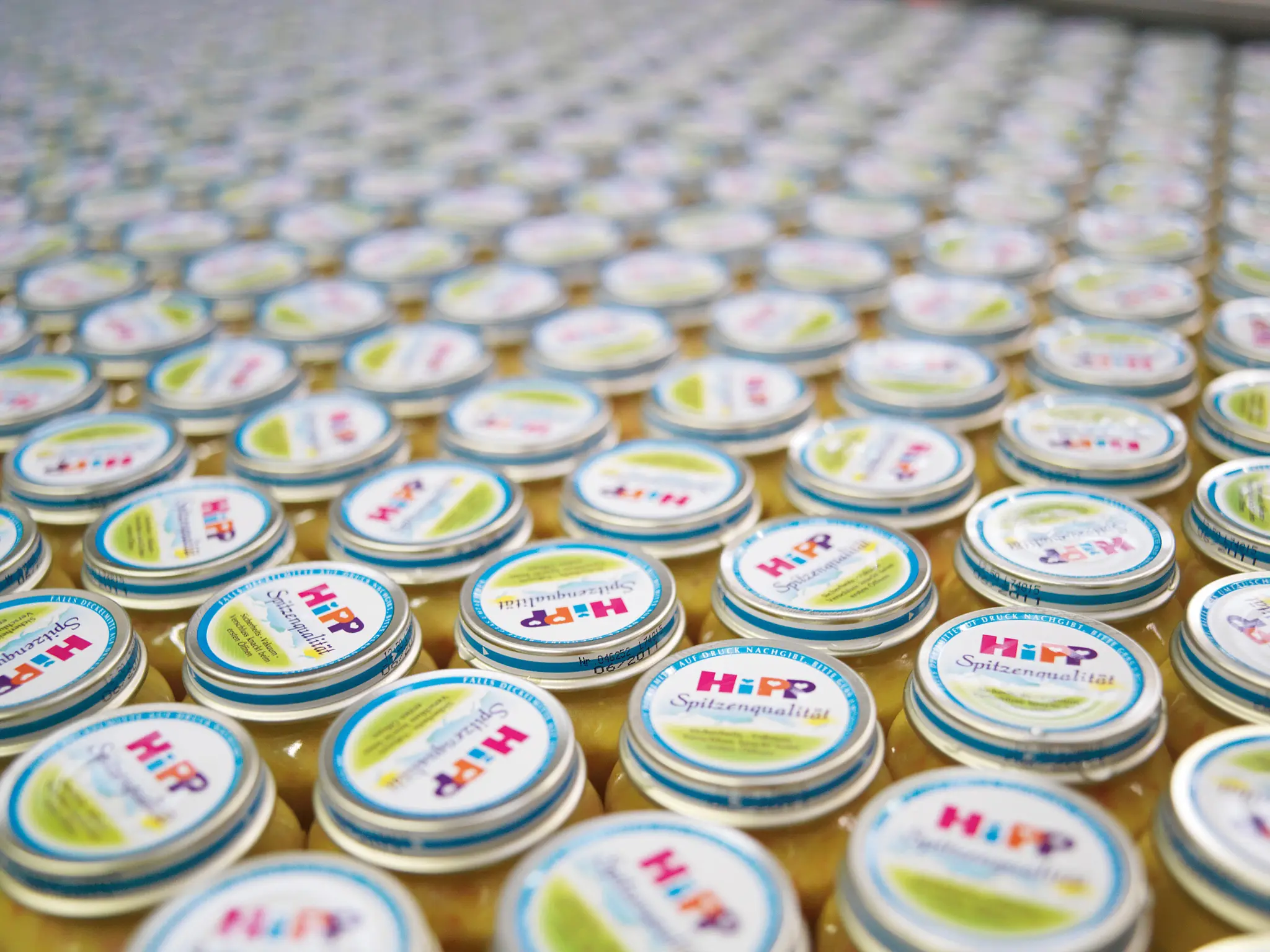
An alarming discovery in Austria has triggered a major food safety investigation after traces of rat poison were found in baby food products manufactured by HiPP, prompting an urgent product recall and police inquiry into possible criminal tampering. The incident, which first came to light in early May 2024, centers on contaminated glass jars of infant formula discovered in the Burgenland region, raising serious concerns about the integrity of the supply chain and the safety of products intended for vulnerable consumers.
According to official statements from Austrian authorities and the company itself, the contamination involved zinc phosphide, a toxic compound commonly used in rodenticides, detected in a single sample during routine testing by food safety officials in Burgenland. HiPP immediately withdrew the affected batch from circulation and launched an internal investigation, while law enforcement agencies opened a probe into suspected sabotage and extortion attempts linked to the contamination.
The case has drawn widespread attention across Europe, particularly in Germany, Austria, and neighboring countries where HiPP products are widely distributed. Parents and caregivers have expressed deep concern over the potential health risks posed to infants, prompting renewed scrutiny of food safety protocols and emergency response mechanisms in the infant nutrition sector.
Contamination Detected in Routine Testing
The initial alert came from the Austrian Agency for Health and Food Safety (AGES), which confirmed on May 6, 2024, that a sample of HiPP’s organic carrot and potato puree in glass jars tested positive for zinc phosphide during surveillance checks in Burgenland. The affected product was identified as HiPP Bio Karotte & Kartoffel, batch number L240506, with a best-before date of March 2025. AGES stated that the concentration detected, while hazardous, was below levels likely to cause acute poisoning if ingested in small amounts, but emphasized that any presence of such contaminants in baby food is unacceptable.
HiPP responded swiftly, issuing a voluntary recall on May 7, 2024, for all products from the same production line manufactured between April 25 and May 5, 2024. The company confirmed that approximately 12,000 jars were potentially affected and urged consumers to return or dispose of the items, offering full refunds. In a public statement, HiPP’s managing director, Dr. Stephan Mellinger, said: “We take this matter extremely seriously. The safety of our products is our highest priority, and we are cooperating fully with authorities to determine how this contamination occurred.”
The recall was coordinated with national food safety authorities in Austria and communicated to retail partners across the EU, including major supermarket chains such as Spar, Billa, and dm-drogerie markt. No illnesses have been reported in connection with the contaminated products as of mid-May 2024, according to AGES and the Austrian Ministry of Health.
Police Investigation Focuses on Criminal Tampering
What began as a food safety issue quickly escalated into a criminal investigation after HiPP received an anonymous email demanding payment in exchange for stopping further contamination attempts. The message, received on May 5, 2024, claimed responsibility for tainting the product and threatened additional acts unless a sum of money was paid in cryptocurrency. HiPP immediately forwarded the communication to the Austrian Federal Police (Bundespolizei), which launched a formal investigation under suspicion of extortion and food sabotage.
Investigators from the State Criminal Police Office (Landeskriminalamt) of Burgenland, supported by forensic experts from the Federal Criminal Police Office (Bundeskriminalamt), are analyzing the contaminated jars for trace evidence, including fingerprints, DNA, and chemical residues, to identify the source of the zinc phosphide. Authorities have not named any suspects but confirmed that the investigation is treating the case as a “potentially criminal act of food contamination” under Section 145 of the Austrian Criminal Code, which covers endangering consumers through adulterated goods.
As of May 15, 2024, police have interviewed HiPP employees, reviewed security footage from production facilities in Pfaffenhofen, Germany, and Austria, and are examining digital traces related to the extortion email. No arrests have been made, and the company has not received any further threats since the initial message. HiPP has offered a reward of up to €10,000 for information leading to the conviction of those responsible, a detail confirmed in a press release issued on May 10, 2024.
Broader Implications for Infant Food Safety
The incident has reignited debate over the vulnerability of the infant formula supply chain to deliberate contamination and the adequacy of current monitoring systems. While food fraud and accidental contamination are known risks, intentional poisoning for extortion remains rare but potentially devastating in its impact on public trust.
Experts from the European Food Safety Authority (EFSA) noted that while zinc phosphide is highly toxic to mammals, its detection in baby food triggers immediate regulatory action due to the heightened sensitivity of infants to chemical contaminants. EFSA’s guidance on contaminants in food for infants and young children emphasizes a zero-tolerance approach to non-approved substances, particularly those with acute toxicity profiles.
In response to the crisis, AGES announced plans to increase random testing of baby food products across Austria in the coming months, focusing on high-risk categories such as vegetable and meat-based purees. The ministry also urged manufacturers to review their internal security protocols, including access controls to production areas and supplier verification processes.
Consumer advocacy groups, including Wiener Konsumentenschutz and foodwatch Austria, have called for greater transparency from manufacturers regarding testing frequency and recall procedures. They argue that while companies like HiPP have robust quality systems, the incident highlights the need for independent oversight and faster public communication during emergencies.
What Parents Should Know
For caregivers who may have purchased the affected HiPP products, health officials stress that the risk of harm from a single exposure is low, but advise against using any jars from the recalled batch. Symptoms of zinc phosphide poisoning can include nausea, vomiting, abdominal pain, and in severe cases, respiratory distress or organ damage—but medical professionals emphasize that no such cases have been linked to this incident.
Parents are encouraged to check the batch number and best-before date on any HiPP glass jars purchased between late April and mid-May 2024. The affected products were sold in Austria, Germany, and to a limited extent in the Czech Republic and Slovakia. Information on how to identify recalled items and initiate returns is available on HiPP’s official website and through the AGES food alert portal.
Medical advice should be sought only if a child has consumed the product and shows unusual symptoms. Pediatricians and poison control centers across Austria remain on standby, with the Vienna Poison Information Center reachable 24/7 at +43 1 406 43 43.
As the investigation continues, both HiPP and Austrian authorities have pledged to provide updates as new information becomes available. The next official update is expected from the Bundespolizei by late May 2024, pending forensic analysis results.
This developing story underscores the critical importance of vigilance in food safety systems and the shared responsibility of regulators, manufacturers, and the public in protecting the youngest members of society. For ongoing coverage, readers are encouraged to consult official sources such as AGES, the Austrian Ministry of Health, and HiPP’s customer service channels.
Keep reading