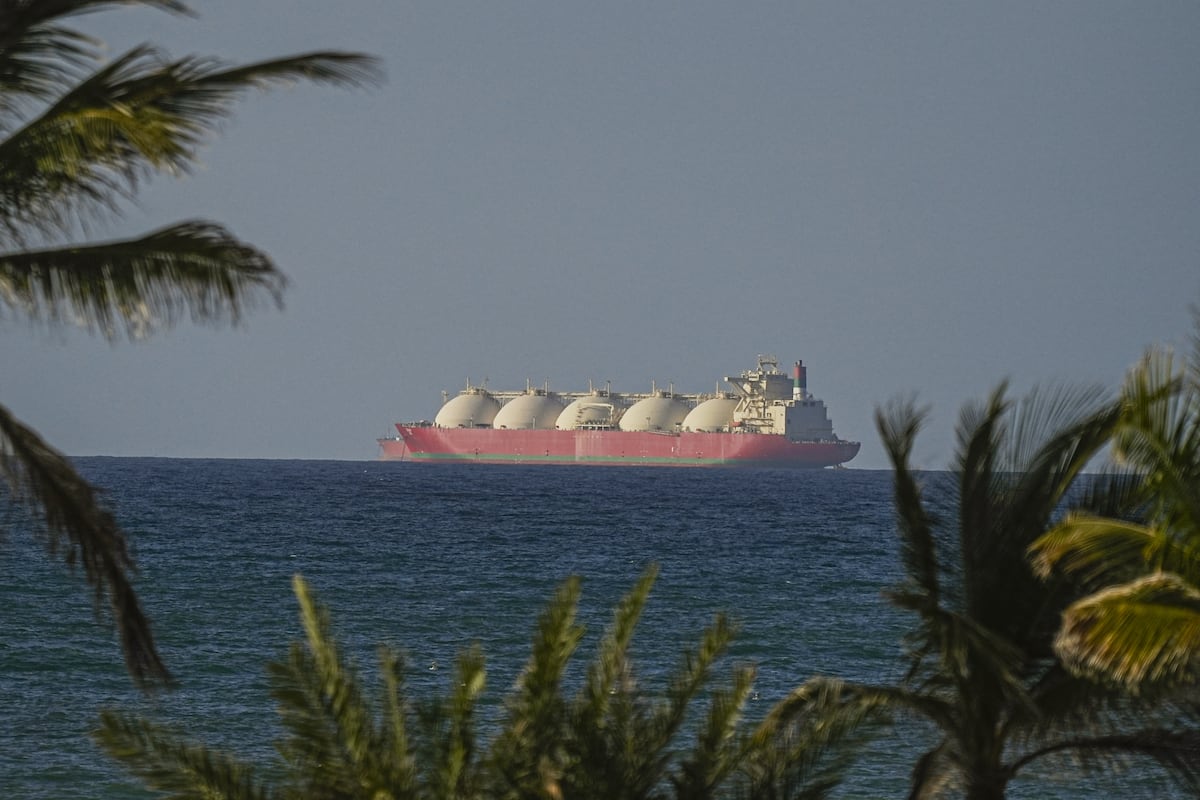
In the narrow waters of the Strait of Hormuz, a silent threat has resurfaced that continues to challenge global maritime security: naval mines. Iran’s strategic employ of these largely invisible weapons has once again drawn international attention, particularly as tensions persist between Tehran and Western powers over shipping lanes critical to the world’s oil supply. The strait, through which approximately 20% of global petroleum flows, remains a focal point of geopolitical strain, with both military and commercial vessels navigating under heightened alert.
Recent reports indicate that Iranian authorities have issued warnings to commercial vessels about renewed mining activities in the strait, raising concerns about potential disruptions to international trade. While no confirmed explosions have been reported in the immediate term, the mere presence of such threats has prompted increased surveillance and escort missions by multinational naval forces. The situation underscores the enduring asymmetry in naval capabilities, where a relatively low-cost tactic can exert disproportionate pressure on even the most advanced fleets.
This dynamic is not modern. Iran has long maintained the capability to lay mines in the Strait of Hormuz as part of its broader strategy to deter adversaries and assert leverage in regional disputes. During the 1980s Tanker War, both Iran and Iraq employed naval mines extensively, leading to numerous attacks on commercial shipping. More recently, in 2019, a series of unexplained explosions damaged several tankers in and around the strait, which the United States attributed to Iranian limpet mines — a claim Tehran denied. Although definitive attribution remains complex, the incidents highlighted the vulnerability of maritime chokepoints to covert interference.
To understand the current context, it is essential to examine the legal and military dimensions of mine warfare in international waters. Under the United Nations Convention on the Law of the Sea (UNCLOS), the laying of mines in international straits used for international navigation is heavily restricted, particularly during peacetime. However, enforcement mechanisms are limited, and accusations often rely on circumstantial evidence due to the clandestine nature of mine deployment. This creates what legal experts describe as a “gray zone” in maritime law, where actions fall short of open conflict but still threaten stability.
The Strait of Hormuz itself is approximately 21 miles wide at its narrowest point, with shipping lanes just two miles wide in each direction, separated by a two-mile buffer zone. This constrained geography makes it particularly susceptible to mining efforts, as even a modest number of devices can pose a significant risk to navigation. According to data from the U.S. Energy Information Administration, around 17 million barrels of oil per day passed through the strait in 2023, underscoring its critical role in global energy markets.
Iran’s Naval Mine Capabilities and Tactics
Iran’s naval forces, particularly the Islamic Revolutionary Guard Corps Navy (IRGCN), have developed a range of mine-laying capabilities tailored to shallow, confined waters like the Strait of Hormuz. These include bottom-mounted contact mines, influence mines that respond to magnetic or acoustic signatures, and drifting variants designed to move with currents. The IRGCN frequently conducts exercises involving mine deployment and clearance, signaling both readiness and intent to use such tactics if deemed necessary.
In recent years, Iran has also showcased advanced naval drones and small fast attack craft capable of laying mines covertly. During military drills in 2022 and 2023, state media released footage showing IRGCN vessels deploying what appeared to be training mines near Qeshm Island, located at the southern entrance to the strait. While these were described as exercises, analysts note that such demonstrations serve dual purposes: testing operational readiness and signaling deterrence.
The effectiveness of naval mines lies not only in their destructive potential but also in their psychological impact. A single confirmed mine strike can trigger widespread rerouting of shipping, increased insurance premiums, and prolonged military escort operations — all of which carry significant economic costs. This asymmetry allows a nation with limited naval resources to impose substantial burdens on adversaries far more powerful on paper.
Experts emphasize that mine clearance operations are time-consuming, technically demanding, and inherently risky. Specialized vessels such as mine countermeasures (MCM) ships and helicopters equipped with sonar and magnetic detection systems must sweep suspected areas methodically. Even with advanced technology, complete clearance cannot be guaranteed, especially in environments with high sediment movement or cluttered seabeds.
International Response and Maritime Security Efforts
In response to recurring threats, multinational naval coalitions have maintained a persistent presence in and around the Strait of Hormuz. The United States-led Combined Task Force (CTF) 53, responsible for mine countermeasures in the U.S. Fifth Fleet area of operations, regularly deploys MCM vessels and conducts joint exercises with regional partners. Similarly, the British-led Operation Kipion maintains a continuous maritime security presence to ensure freedom of navigation.
These efforts include surveillance patrols, intelligence sharing, and readiness to escort commercial vessels through high-risk zones. In 2023, the UK Maritime Trade Operations (UKMTO) issued several advisories urging caution to ships transiting the area, though it stopped short of recommending rerouting. Such advisories are typically based on assessments of credible threats, including intelligence reports, unusual vessel movements, or official statements from coastal states.
Regional actors also play a role. Oman, which borders the strait and maintains historically balanced relations with both Iran and Western powers, has occasionally facilitated diplomatic backchannels to de-escalate tensions. Meanwhile, Gulf Cooperation Council states have strengthened their own naval capabilities, investing in MCM technology and participating in joint training exercises with Western navies.
Despite these measures, challenges remain. The vast expanse of maritime territory, combined with the difficulty of detecting small, low-metal-content mines, makes comprehensive surveillance hard. Distinguishing between legitimate naval exercises and actual threat deployment requires timely and accurate intelligence — a capability not all nations possess equally.
Legal Ambiguities and the Gray Zone of Maritime Conflict
The use of naval mines in peacetime or during periods of heightened tension exists in a legally ambiguous space under international law. While UNCLOS prohibits the laying of mines that could endanger innocent passage in international straits, proving intent and attribution is often obstructed by the covert nature of such operations. Unlike ballistic missile launches or aerial incursions, mine laying leaves little immediate trace, allowing states to plausibly deny involvement.
This dynamic has led some legal scholars to characterize mine-related incidents as examples of “hybrid warfare” or “gray zone tactics” — actions that blur the line between peace and conflict, complicating diplomatic and military responses. In such scenarios, traditional deterrence may be less effective, and responses risk appearing disproportionate if based on unverified claims.
To address these challenges, experts have called for greater transparency in naval activities, improved mechanisms for incident investigation, and strengthened norms against the use of indiscriminate weapons in civilian shipping lanes. However, progress has been slow, particularly amid broader geopolitical rivalries that hinder consensus-building in forums such as the United Nations or the International Maritime Organization.
What This Means for Global Trade and Energy Security
For the global economy, any sustained disruption in the Strait of Hormuz would have immediate and far-reaching consequences. Beyond oil, the strait is also a conduit for liquefied natural gas (LNG), petrochemicals, and other goods destined for markets in Asia, Europe, and beyond. Even temporary interruptions can lead to price spikes, supply chain delays, and increased volatility in energy markets.
Industries reliant on just-in-time delivery, particularly in manufacturing and refining, are especially vulnerable. Insurance costs for vessels transiting high-risk areas tend to rise during periods of heightened tension, adding to operational expenses. In extreme cases, companies may opt for longer alternative routes — such as around the Cape of Great Hope — significantly increasing transit time and fuel consumption.
Nevertheless, the system has shown resilience. Despite periodic flare-ups, commercial shipping through the strait has continued largely uninterrupted over the past decade, thanks to a combination of naval escorts, intelligence monitoring, and diplomatic crisis management. The presence of multinational forces acts as a deterrent, while backchannel communications help prevent misunderstandings from escalating.
Looking ahead, the stability of the Strait of Hormuz will depend not only on military posturing but also on diplomatic engagement. Confidence-building measures, such as advance notifications of naval exercises or hotlines between naval commands, could reduce the risk of miscalculation. At the same time, maintaining credible deterrence remains essential to deter actual mining or attacks on civilian vessels.
As of now, no official confirmation has been issued by international bodies regarding new mine deployments in the strait. Maritime authorities continue to monitor the situation closely, issuing advisories as needed. For shipping companies and insurers, staying informed through official channels such as UKMTO, the Maritime Administration (MARAD) advisories from the U.S. Department of Transportation, and regional maritime centers remains critical.
In an era where traditional military power is increasingly complemented by asymmetric tactics, the humble naval mine endures as a potent symbol of how geography, technology, and strategy intersect in contested waters. Its persistence reminds us that in maritime security, what cannot always be seen may still shape what happens next.
Stay informed about developments in global maritime security. Share your thoughts in the comments below, and help spread awareness by sharing this article with others interested in international affairs and global trade.
Worth a look