The Echo of Peace: How a Hiroshima Atomic Bomb Survivor Piano is Finding New Life Through Digital Preservation
Imagine a piano, scarred by history, carrying the silent stories of a city and a young life lost. That’s “Akiko’s piano,” a Baldwin instrument that miraculously survived the atomic bombing of Hiroshima in 1945. Now, thanks to innovative digital technology, its poignant sounds are being shared with the world, offering a powerful message of peace and remembrance.This article delves into the remarkable story of this resilient instrument, the challenges of preserving it, and how its digitized voice is resonating globally.
A Legacy Forged in Tragedy: The Story of Akiko’s Piano
On August 6, 1945, the world changed forever. The bombing of Hiroshima left an indelible mark on the city and its people.Amidst the devastation, a piano belonging to Akiko Kawamoto, a young woman who tragically perished from radiation exposure at just 19, remarkably endured. Marked with the physical scars of the blast - glass shards embedded in its frame – the piano became a symbol of loss and resilience.
Following the tragedy, the piano was gifted to Tomie Futakuchi, a friend of Kawamoto’s parents.Futakuchi, now 76, has dedicated herself to preserving Akiko’s legacy, sharing the piano’s story through concerts and educational programs as 2005. But transporting this historical artifact internationally proved impossible due to restrictions on ivory trade under the Convention on International Trade in Endangered Species (CITES), also known as the Washington Convention. This sparked a new mission: to preserve the sound of Akiko’s piano for future generations.
Digitizing History: Capturing the Soul of a Survivor
Recognizing the fragility of the aging instrument and the limitations of physical transport, a meticulous project was launched to digitally record and reproduce its unique sound. This wasn’t simply about creating a digital sample; it was about capturing the essence of the piano,its history,and the emotions it embodies.
Here’s how the process unfolded:
* Comprehensive Recording: Each of the piano’s 88 keys was recorded at six different volume levels.
* Detailed Analysis: The recordings underwent rigorous analysis to understand the nuances of the piano’s tone.
* Precise Reproduction: Digital adjustments were made, carefully comparing the reproduced sounds to the original, ensuring an authentic replication.
This painstaking process resulted in a digital replica capable of conveying the same emotional weight as the original instrument. The goal? To share Akiko’s story and the message of peace with a global audience, transcending geographical boundaries and time.
A Concert for Peace: Sumino, Argerich, and the Digital Echo
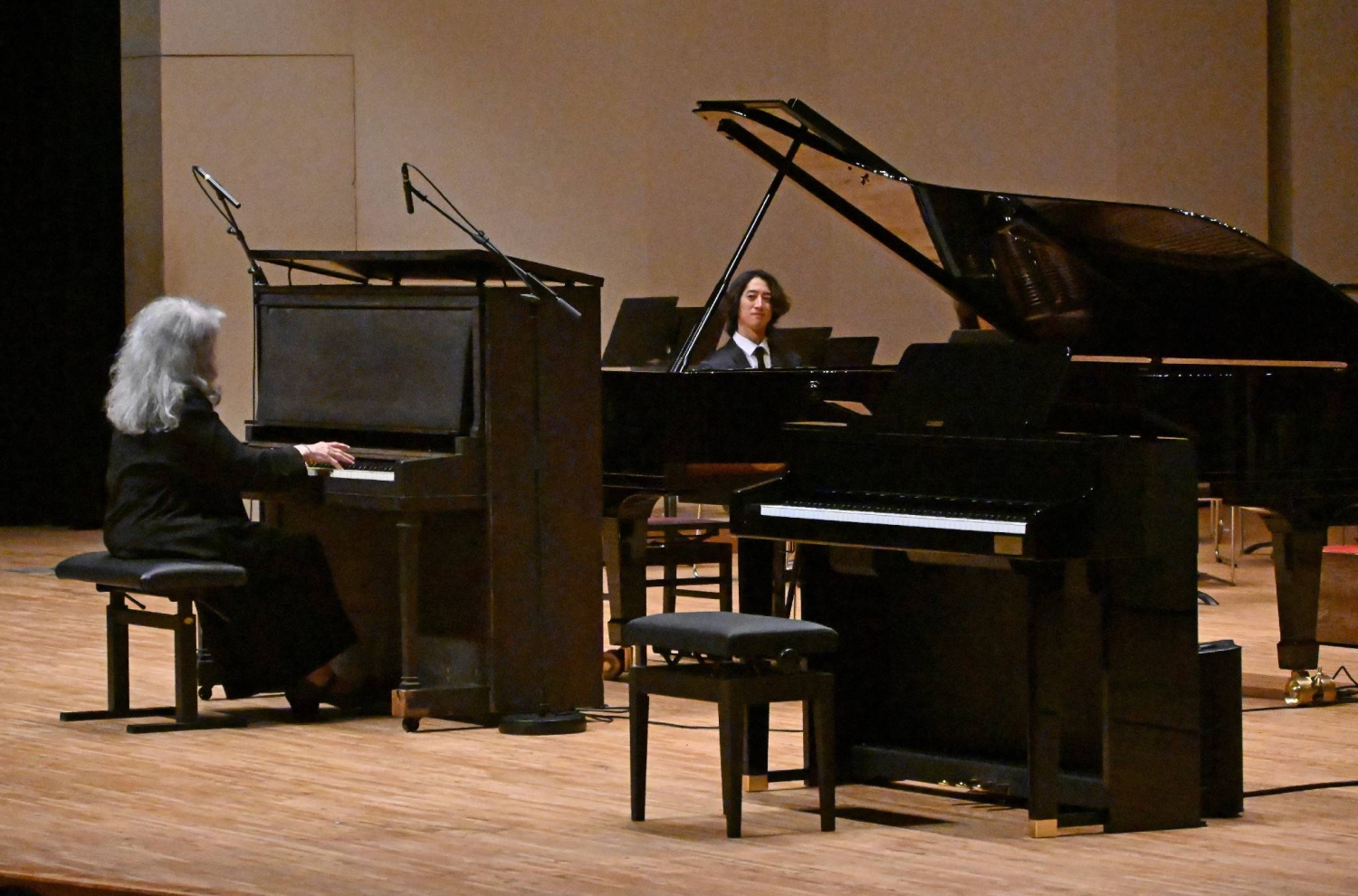
On Wednesday, a special concert in Hiroshima showcased the digitized sounds of Akiko’s piano for the first time. Renowned pianists Hayato sumino and Martha Argerich joined forces, performing alongside the digital instrument. This event wasn’t just a musical performance; it was a powerful statement about the enduring power of hope and the importance of remembering the past.
Futakuchi shared a deeply personal reflection, revealing the profound grief of Kawamoto’s parents, who were unable to speak of their daughter’s loss. “I want to convey the unexpressed feelings of her parents through the piano,” she stated. “From Hiroshima to the world,I want to pass on (the sounds) to the future generations,across regions and beyond time.”
Beyond the Notes: The Broader Context of Peace Advocacy & Historical Preservation
akiko’s piano represents more than just a musical instrument; it’s a tangible link to a pivotal moment in history. The preservation efforts surrounding the piano align with broader initiatives focused on atomic bomb legacy, peace education, and cultural heritage preservation.
Recent research from the Hiroshima Peace Memorial Museum (updated October 2023) highlights a growing global interest in understanding the human cost of nuclear weapons. This interest is fueled by increased geopolitical tensions and renewed discussions about nuclear disarmament. https://hpmmuseum.co.jp/
Furthermore, the digitization project mirrors a growing trend in museum digitization and digital archiving, allowing fragile artifacts to be accessed and experienced by wider audiences without risking damage. Organizations like the Smithsonian Institution are leading the way in these efforts.[https://wwwsiedu/[https://wwwsiedu/[https://wwwsiedu/[https://wwwsiedu/
Worth a look