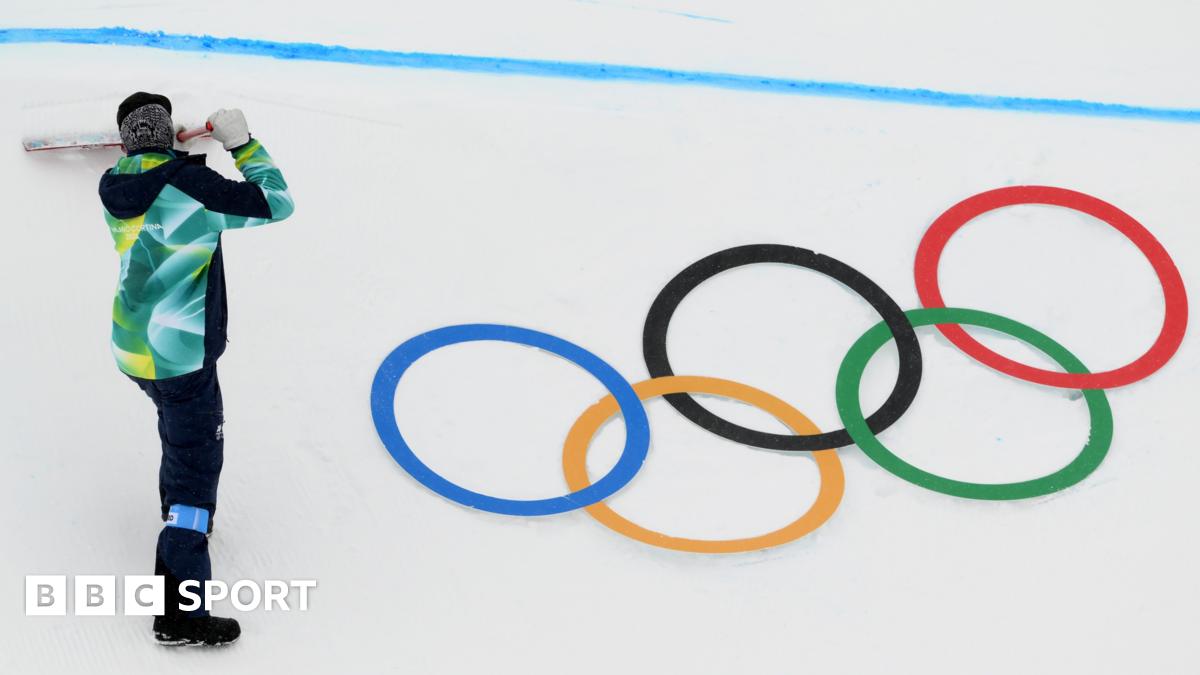
As the Milan-Cortina 2026 Winter Olympic Games progress, anti-doping authorities have recorded a historic milestone: for the first time in 28 years, not a single athlete has tested positive for a banned substance during an ongoing Olympiad. According to anti-doping officials and testing data monitored by the International Testing Agency (ITA) and the World Anti-Doping Agency (WADA), the rigorous pre-competition and in-competition screening protocols have yielded zero adverse analytical findings so far.
This absence of positive doping tests marks a stark contrast to recent Winter and Summer Games, where drug scandals routinely disrupted medal ceremonies and triggered lengthy disqualification proceedings. Sports integrity analysts attribute the current clean slate to a combination of more sophisticated intelligence-led out-of-competition testing, stricter long-term sample storage protocols, and heightened education campaigns conducted by national anti-doping organizations ahead of the marquee winter sports event in Italy.
The milestone arrives after nearly three decades of high-profile doping violations that shadowed multiple Olympic cycles. From Salt Lake City in 2002 to Sochi in 2014 and Beijing in 2022, high-stakes athletic achievements were frequently called into question by subsequent laboratory re-tests or sudden positive findings. The current operational environment at Milan-Cortina, however, reflects a fundamental shift toward preventive detection and rapid-turnaround laboratory analysis managed by independent sporting bodies.
Stakeholders across the Olympic movement, including coaches, sports federations, and athlete representatives, have watched the daily testing bulletins closely. While the competition schedule moves toward its closing ceremonies, the unprecedented streak of zero positive tests remains intact, offering a welcome moment of stability for winter sports governance.
Advanced Testing Protocols and Independent Oversight at Milan-Cortina
The clean record documented at Milan-Cortina is underpinned by the International Testing Agency, which assumed independent responsibility for the Olympic anti-doping program following structural reforms designed to remove conflicts of interest from national sports federations. Working alongside the World Anti-Doping Agency, the ITA deployed an independent anti-doping tribunal and stationed specialized scientific teams directly within the accredited testing laboratories in Italy.
Pre-games testing began months before the opening ceremony, targeting athletes in high-risk disciplines through longitudinal biological passport monitoring. This approach tracks physiological markers over time rather than relying solely on single-sample snapshots collected at event venues. According to operational summaries published by anti-doping authorities, thousands of blood and urine samples were collected prior to the arrival of delegations in northern Italy, effectively deterring potential violators before competition commenced.
Furthermore, laboratory technicians utilizing high-resolution mass spectrometry have been able to process samples within a 24-to-48-hour window for medal events. This rapid turnaround ensures that results are verified almost immediately, removing the historical anxiety of delayed disqualifications that plagued previous Olympic cycles. The strict chain-of-custody protocols enforced by independent observers have also minimized procedural challenges from athletes or legal teams.
Comparing Winter Olympic Doping Histories
To understand the significance of the Milan-Cortina testing record, sports historians look back at the persistent anti-doping challenges that defined previous decades of the Winter Games. The 1998 Nagano Olympics marked the last major winter cycle where widespread systemic masking agents were absent on a similar scale, though subsequent eras introduced increasingly complex detection hurdles, particularly involving synthetic hormones and blood manipulation.
At the 2006 Turin Winter Games, Italian law enforcement and anti-doping officials conducted targeted raids that uncovered doping paraphernalia, leading to immediate expulsions. Eight years later, the 2014 Sochi Games became the center of a massive global scandal involving state-sponsored sample tampering, which ultimately resulted in years of forensic re-testing and the disqualification of numerous medalists. Beijing 2022 faced intense scrutiny following high-profile positive cases among rising figure skating competitors.
The current lack of adverse analytical findings at Milan-Cortina disrupts this historical pattern. Rather than reacting to major scandals mid-game, anti-doping administrators point to proactive intelligence sharing between international law enforcement agencies, customs authorities, and sports bodies as the primary driver behind the deterrent effect seen in Italy.
Athlete Advocacy and the Future of Clean Competition
Athlete representation groups have responded to the milestone with cautious optimism, emphasizing that clean sport requires continuous vigilance rather than temporary celebration. Organizations such as Global Athlete have consistently advocated for increased funding for independent testing agencies and robust whistleblower protections to ensure that athletes competing at the highest level operate on a level playing field.
The psychological impact on competitors also remains a focal point. Without the shadow of looming doping controversies, athletes in disciplines ranging from alpine skiing to figure skating have experienced a more stable competitive atmosphere. Sports psychologists working with national delegations note that athletes can direct their complete focus toward tactical preparation and physical conditioning.
As the final medal events conclude, the focus of anti-doping authorities will shift toward the long-term preservation of collected samples. Under WADA regulations, all biological samples gathered during the Milan-Cortina Games will be securely stored for up to 10 years, allowing laboratories to re-analyze them in the future as scientific detection methods advance. This ongoing storage capability serves as a permanent safeguard for the integrity of the results recorded in Italy.
Official updates regarding the final anti-doping statistics and closure of the testing program will be published by the International Testing Agency upon the conclusion of the Games. Fans and stakeholders can monitor official reports through the International Olympic Committee portal for verified summaries of the testing metrics.
Worth a look