
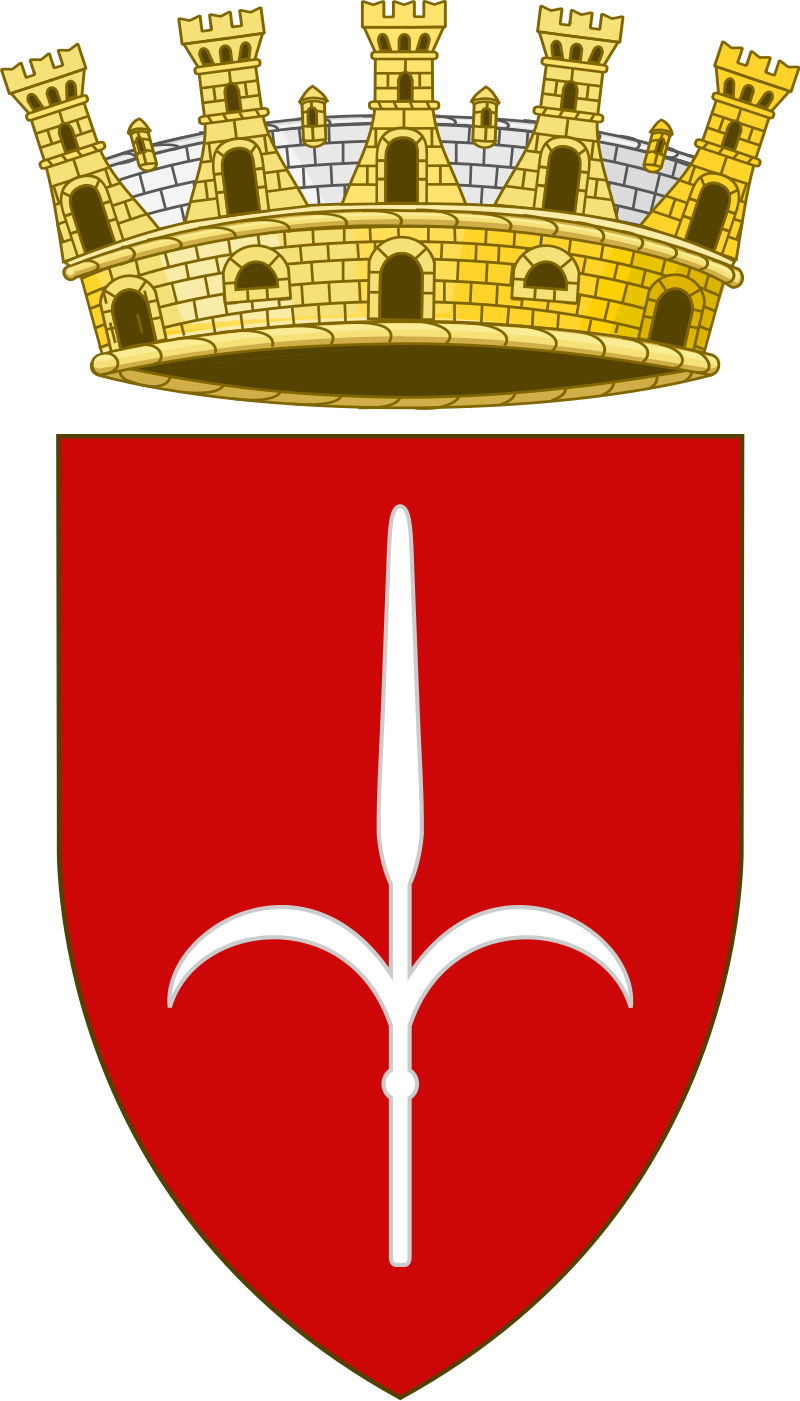
The Historic Bond Between Trieste and Graz: A Legacy of the Habsburg Monarchy
Nestled on the Adriatic coast, the Italian city of Trieste has long been a cultural and economic crossroads, its identity shaped by centuries of imperial influence. Among its most enduring relationships is the historic bond with Graz, Austria’s second-largest city, a connection that traces its roots to the days of the Habsburg Monarchy. This relationship, forged over centuries of shared governance, trade, and cultural exchange, remains a testament to the lasting impact of the Austro-Hungarian Empire on the cities of Central Europe. For those exploring the history of Trieste, its ties to Graz offer a fascinating lens into the region’s past—and its present.
While Trieste today is part of Italy, its history is deeply intertwined with the Habsburgs, who ruled the city for over 500 years. Graz, the capital of the Austrian state of Styria, served as a key administrative and military hub within the empire, and the two cities developed a symbiotic relationship that shaped their economic and cultural trajectories. From the establishment of Trieste as a free port in 1719 to the construction of the Austrian Southern Railway in the 19th century, the Habsburgs leveraged the strengths of both cities to create a thriving network that connected the Adriatic to the heart of Central Europe. This article explores the historical foundations of the Trieste-Graz relationship, its evolution over time, and its enduring legacy in the modern era.
The Habsburg Era: A Shared Economic and Cultural Destiny
Trieste’s rise as a major port under Habsburg rule was no accident. In 1382, the city voluntarily placed itself under the protection of the Habsburgs, seeking stability amid the political turmoil of the Italian peninsula. By 1719, Emperor Charles VI declared Trieste a free port, a move that transformed it into one of the most essential commercial hubs in the Mediterranean. The city’s strategic location made it the primary gateway for Austrian trade, channeling goods from the Adriatic to the vast markets of Central Europe. Graz, meanwhile, served as a critical inland node in this network, connecting Trieste to Vienna, Budapest, and beyond.
The construction of the Austrian Southern Railway (1841–1857) further cemented the economic ties between the two cities. The railway, which linked Trieste to Vienna via Graz, facilitated the rapid movement of goods and people, turning Trieste into a bustling seaport and Graz into a vital transit point. By the late 19th century, Trieste had become the fourth-largest city in the Habsburg Monarchy, after Vienna, Budapest, and Prague, with a population of approximately 200,000. Its success was inextricably linked to Graz, which provided the logistical and administrative support needed to sustain its growth.
Culturally, Trieste was a melting pot of languages and traditions, reflecting its role as a bridge between the Italian, Slavic, and Germanic worlds. Italian was the dominant language of administration and commerce, but Slovenian, Serbo-Croatian, German, and other Mediterranean languages were as well widely spoken. Graz, with its predominantly German-speaking population, contributed to this diversity, particularly in the realms of education, and governance. The University of Graz, founded in 1585, attracted students and scholars from across the empire, including many from Trieste, fostering intellectual exchange between the two cities.
The Role of Graz in Trieste’s Military and Political History
The relationship between Trieste and Graz was not merely economic; it was also deeply political and military. During the Napoleonic Wars, Trieste was briefly occupied by French forces, but the Habsburgs reclaimed it in 1813, reaffirming its status as a key port. Graz, meanwhile, served as a military stronghold for the empire, housing important garrisons and serving as a base for operations in the southern regions of the monarchy. The two cities were linked by more than just trade routes—they were strategic partners in the defense and administration of the Habsburg lands.
One of the most significant events in this shared history occurred during World War I, when Trieste became a focal point of the conflict between Austria-Hungary and Italy. The city’s predominantly Italian-speaking population made it a target for Italian irredentist movements, which sought to annex Trieste to Italy. Graz, as a major military center, played a crucial role in the Habsburg war effort, supplying troops and resources to the front lines. The eventual collapse of the Austro-Hungarian Empire in 1918 led to Trieste’s annexation by Italy under the Treaty of Rapallo (1920), marking the end of Habsburg rule over the city. Despite this political shift, the cultural and economic ties between Trieste and Graz endured, laying the groundwork for their modern relationship.
Modern Connections: From History to Present-Day Collaboration
Today, the historic bond between Trieste and Graz is celebrated through a variety of cultural, academic, and economic initiatives. The two cities are officially twinned, a partnership that reflects their shared history and commitment to collaboration. One of the most visible symbols of this relationship is the annual Trieste-Graz Days, a festival that showcases the cultural heritage of both cities through music, art, and culinary exchanges. The event, which alternates between Trieste and Graz, attracts thousands of visitors each year and serves as a reminder of the deep connections that continue to bind the two cities.
Academic collaboration is another key pillar of the Trieste-Graz relationship. The University of Graz and the University of Trieste have established joint research programs and student exchange initiatives, particularly in the fields of history, economics, and environmental science. These partnerships not only foster academic excellence but also strengthen the personal and professional ties between the two cities. For example, the University of Graz’s Center for Southeast European Studies has worked closely with institutions in Trieste to study the region’s complex history, including the legacy of the Habsburg Monarchy.
Economically, the two cities continue to benefit from their historic connections. Trieste remains an important port for Central European trade, while Graz has emerged as a hub for logistics and manufacturing. The two cities collaborate on infrastructure projects, such as the modernization of rail links, to enhance their connectivity and support regional economic growth. In 2021, the mayors of Trieste and Graz signed a memorandum of understanding to deepen cooperation in areas such as tourism, renewable energy, and urban development, signaling a renewed commitment to their shared future.
Why the Trieste-Graz Relationship Matters Today
The story of Trieste and Graz is more than just a historical footnote—it is a living example of how cities can transcend political borders to build lasting partnerships. In an era of increasing nationalism and division, the relationship between these two cities offers a model of cooperation rooted in mutual respect and shared heritage. For residents of Trieste and Graz, this bond is a source of pride, a reminder of their cities’ rich histories and their potential to shape a more connected Europe.

For travelers and history enthusiasts, the Trieste-Graz connection provides a unique opportunity to explore the legacy of the Habsburg Monarchy. Visitors to Trieste can tour the Miramare Castle, built by Archduke Maximilian of Austria in the 19th century, or stroll through the city’s historic center, where Italian and Austrian architectural influences blend seamlessly. In Graz, the Joanneum Universal Museum offers exhibits on the region’s history, including its ties to Trieste, while the city’s vintage town, a UNESCO World Heritage site, provides a glimpse into its Habsburg past.
Beyond tourism, the Trieste-Graz relationship has broader implications for the European Union. As cities in different countries, Trieste and Graz exemplify the benefits of cross-border collaboration, particularly in areas such as trade, education, and environmental sustainability. Their partnership serves as a case study for how cities can leverage their shared history to address modern challenges, from climate change to economic inequality.
Key Takeaways: The Trieste-Graz Connection
- Historic Roots: The bond between Trieste and Graz dates back to the 14th century, when Trieste came under Habsburg rule. The relationship was strengthened by economic and military cooperation during the empire’s peak.
- Economic Synergy: Trieste’s status as a free port and the construction of the Austrian Southern Railway turned the city into a major commercial hub, with Graz serving as a key inland transit point.
- Cultural Diversity: Trieste was a melting pot of languages and traditions, with Italian, Slovenian, German, and other languages spoken. Graz contributed to this diversity through academic and administrative ties.
- Modern Collaboration: Today, Trieste and Graz are twinned cities, collaborating on cultural events, academic research, and economic projects. Their partnership is a model for cross-border cooperation in Europe.
- Tourism and Heritage: Visitors to Trieste and Graz can explore their shared history through landmarks like Miramare Castle and the Joanneum Universal Museum, as well as annual festivals like Trieste-Graz Days.
What’s Next for Trieste and Graz?
The future of the Trieste-Graz relationship looks bright, with both cities committed to deepening their collaboration. In the coming years, they plan to expand their joint initiatives in renewable energy, sustainable tourism, and digital innovation. The modernization of rail links between the two cities is also a priority, with the goal of reducing travel time and boosting economic ties. The universities of Trieste and Graz are exploring new research partnerships, particularly in the fields of marine science and climate resilience, areas where both cities have unique expertise.
For those interested in following the progress of this historic partnership, the official websites of the City of Trieste and the City of Graz provide updates on joint projects and cultural events. Whether you’re a history buff, a traveler, or simply someone interested in the power of cross-border cooperation, the story of Trieste and Graz is one worth following.
Have you visited Trieste or Graz? What do you think of their historic relationship? Share your thoughts in the comments below and join the conversation!