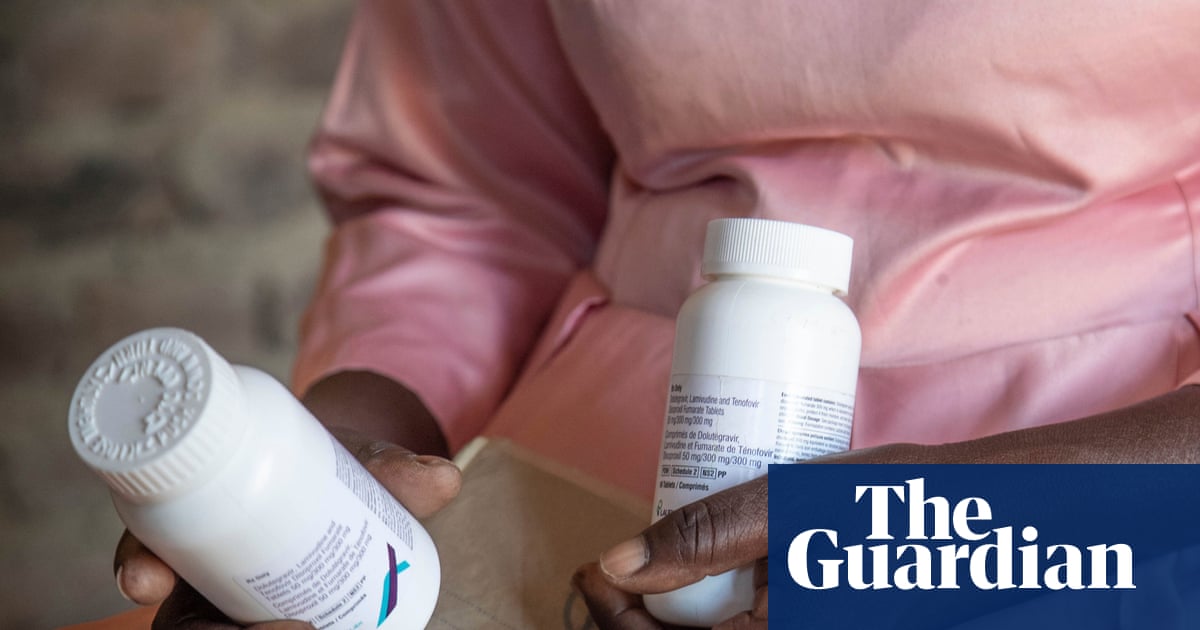
The Fragile Progress Against HIV: A Looming Setback and Seeds of Hope
The global fight against HIV is facing a critical juncture. Recent funding shortfalls are threatening decades of progress, notably in sub-Saharan Africa, and jeopardizing the health and well-being of vulnerable populations. this isn’t simply a matter of statistics; it’s about real people and the erosion of hard-won gains.
For years, international aid has been a cornerstone of HIV prevention and treatment programs. Now, with those funds dwindling, we’re witnessing a concerning reversal. Programs specifically designed to protect teenage girls and young women – those disproportionately affected by the virus – are being cut back. This leaves a notable gap in protection for a population already facing immense challenges.
A Climate of Fear and Reduced Access
The impact extends beyond program closures. Individuals from key populations – including LGBTQ+ individuals – are increasingly forced to conceal their identities to access care safely. This creates a climate of fear and distrust, hindering accurate data collection and possibly driving the virus further underground. You can imagine the emotional toll this takes, leaving many feeling isolated and exposed.
This retreat in funding is already having tangible consequences. Progress is slipping backwards, and experts fear a resurgence of new infections. Though, amidst these challenges, a glimmer of hope is emerging.
A Shift Towards Lasting Solutions
Several countries are begining to prioritize building more sustainable, locally-driven HIV responses. This represents a crucial shift, moving away from reliance on external aid and towards long-term, community-based solutions. It’s a recognition that lasting change must come from within.
Here’s what we’re seeing:
* Increased Domestic Investment: Nations like Nigeria, Uganda, Côte d’ivoire, South Africa, and Tanzania are pledging to increase their own financial contributions to HIV programs.
* Community Empowerment: Governments are starting to work more closely with communities, recognizing their vital role in prevention and treatment efforts.
* innovation in Prevention: New tools,such as long-acting injectable drugs for pre-exposure prophylaxis (PrEP),are gaining momentum and offering a more convenient and effective way to prevent infection.
The Power of Prevention and Human Rights
We have the scientific knowledge, the tools, and the proven strategies to end AIDS. What’s lacking is the political will to prioritize this critical issue. Investing in communities, prevention, innovation, and – crucially - protecting human rights are not just ethical imperatives; they are the most effective path forward.
Consider these key areas:
* Prevention is Paramount: Expanding access to PrEP, condom distribution, and comprehensive sexual education are essential.
* Treatment as Prevention: Ensuring that everyone living with HIV has access to treatment not only improves their health but also reduces the risk of transmission.
* Addressing Stigma and Discrimination: Creating a supportive and inclusive habitat for all,nonetheless of sexual orientation,gender identity,or other factors,is vital.
Ultimately, ending AIDS requires a collective commitment.It demands that we prioritize the health and well-being of all people,invest in evidence-based solutions,and uphold the fundamental human rights of those most affected by the virus. The time for decisive action is now.
Worth a look
- US and Saudi Arabia Strike Iran-Backed Militias as Middle East Tensions Escalate
- Why the Trump Administration Manipulated Military Casualty Figures
- PCOS to PMOS: Why the Name Change Matters for Women’s Health (archynewsy.com)
- Why Nighttime Heat Is Rising Faster Than Daytime Highs in US Cities (daybreakwire.com)