
The Unexpected Key to an HIV Cure? Children May Hold the Answer
For decades, the pursuit of an HIV cure has been a relentless endeavor. But what if the breakthrough wasn’t in complex adult therapies, but in understanding the unique immune responses of children? Emerging research suggests a surprising possibility: the first widespread success in curing HIV might originate wiht pediatric cases.
The South African revelation
The story began in the mid-2010s with Philip Goulder, a pediatrician and immunologist at the University of Oxford. He and his team embarked on a long-term study tracking several hundred children in KwaZulu-Natal, South Africa, who had acquired HIV from their mothers. These children were placed on antiretroviral therapy (ART) early in life to manage the virus.
however, over the next decade, an anomaly emerged. five children stopped attending clinic appointments for medication refills. When researchers eventually located them - months later - they discovered something remarkable. Despite discontinuing ART, these children showed no signs of viral rebound. Their viral loads were undetectable, a result typically unseen after even a short interruption of treatment.
A study published in Nature in 2024 detailed these findings, revealing that all five children remained in remission for extended periods, with one case lasting up to 17 months without regular medication. This observation ignited a new avenue of research: could children possess inherent immunological advantages in controlling and potentially eliminating HIV?
A Growing Body of Evidence
Goulder’s findings aren’t isolated.Recent data presented at the International AIDS Society conference in Kigali, Rwanda, further supports this hypothesis. Alfredo Tagarro, a pediatrician at the Infanta Sofia University Hospital in Madrid, shared results indicating that approximately 5% of children initiating ART within the first six months of life achieve significant suppression of the HIV viral reservoir – the dormant cells where the virus hides.
“Children have special immunological features which makes it more likely that we will develop an HIV cure for them before other populations,” explains Tagarro. This isn’t simply about early treatment; it’s about how children respond to it.
Why Children? Unique Immunological Factors
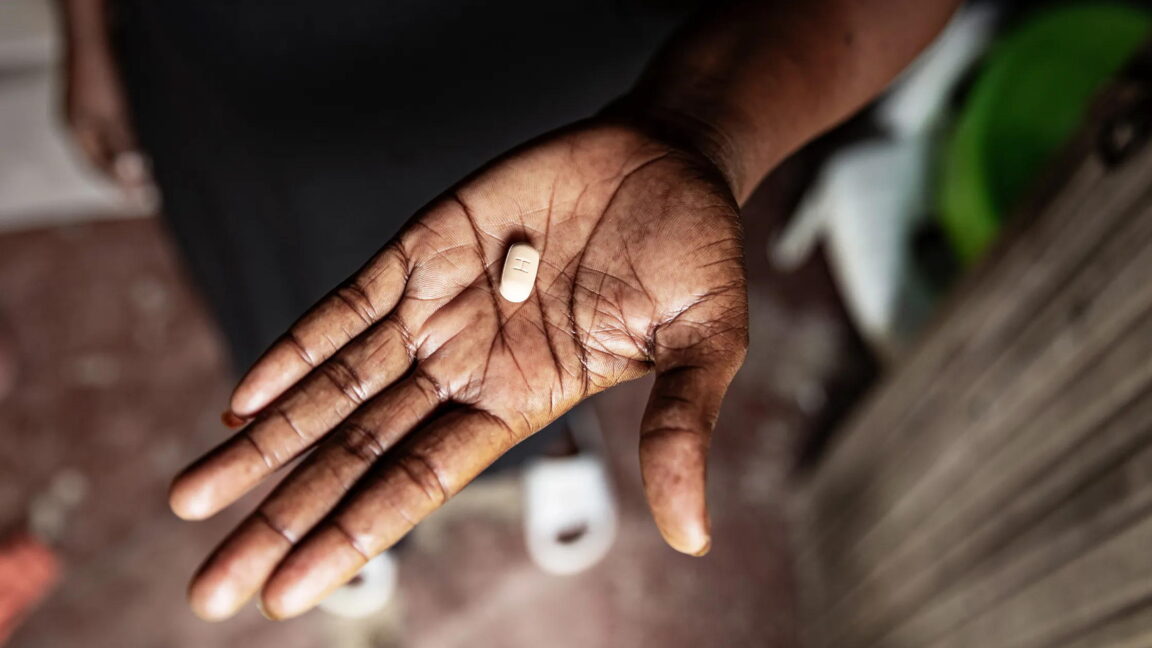
Several factors contribute to this potential advantage. Children, notably infants, have a less developed immune system than adults. This “naiveté” may allow for a more robust and targeted response to HIV, potentially leading to more effective control of the virus. Specifically, research points to:
Natural Killer (NK) Cells: Children exhibit heightened NK cell activity, crucial for identifying and eliminating infected cells.
T Cell Responses: Early ART intervention in children appears to foster the progress of potent and durable T cell responses, capable of suppressing viral replication.
Lower Viral Reservoir Size: Initiating treatment early in life, before the virus establishes a large reservoir, may result in a smaller pool of infected cells to target.
What Does This Mean for the Future of HIV Treatment?
these discoveries don’t promise an immediate cure, but they offer a crucial shift in perspective. The focus is now expanding to understand the specific immunological mechanisms at play in these children. Researchers are investigating:
Genetic Predisposition: Are there specific genetic markers that correlate with remission in these children?
Immune Reconstitution: How does the immune system rebuild itself after ART initiation in children, and how can this process be optimized?
“Shock and Kill” Strategies: Can we leverage these unique immune responses to develop strategies that “wake up” the hidden viral reservoir and then eliminate the infected cells?
The National Institutes of Health (NIH) is actively funding research into pediatric HIV remission, recognizing the potential for groundbreaking discoveries. https://www.niaid.nih.gov/diseases-conditions/hiv-aids
Beyond Treatment: Prevention Remains Key
While the search for a cure intensifies, prevention remains paramount. According to UNAIDS, in 2022, 1.3 million people globally acquired HIV. https://www.unaids.org/en/dataanalysis/unaids-data-centre Effective prevention strategies include:
Pre-Exposure Prophylaxis (prep): taking daily medication to prevent HIV infection.
Treatment as Prevention (TasP): Individuals living with HIV who achieve and maintain an undetectable viral load cannot sexually transmit the virus.
*Safe





![Variety Radiothon Raises $221K+ for Kids in Need | [Year] Update](https://i0.wp.com/www.businessrecord.com/wp-content/uploads/2025/12/Variety-logo.jpg?resize=150%2C100&ssl=1 "Variety Radiothon Raises $221K+ for Kids in Need | [Year] Update")


