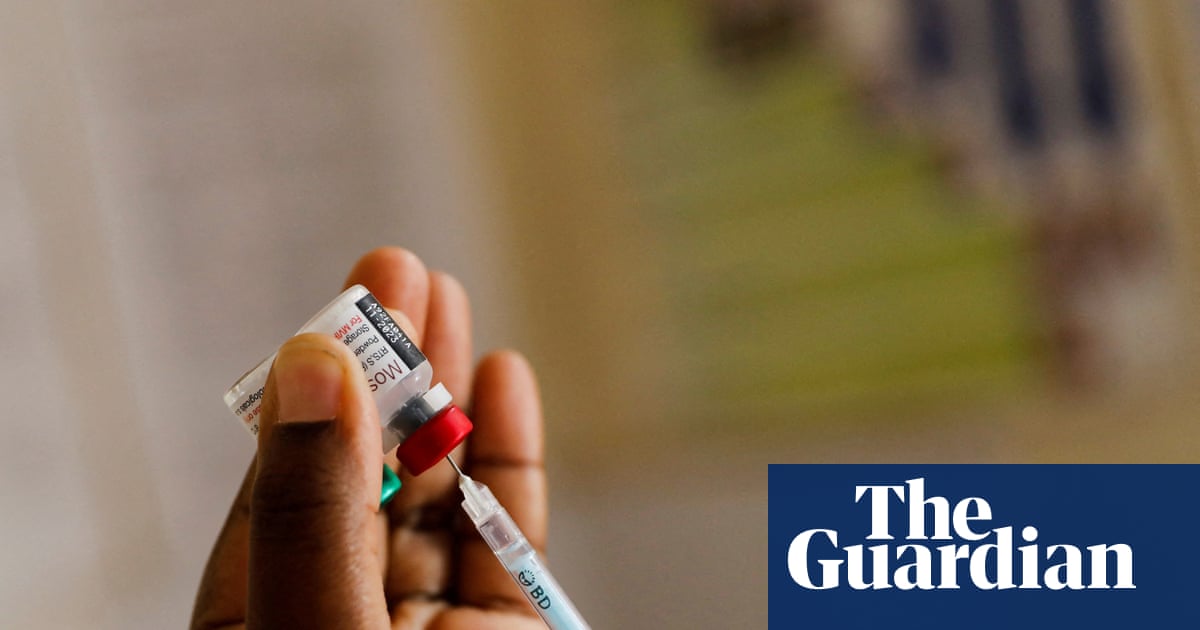
Global Health Funding Faces Critical Crossroads as Pledges Fall Short
The fight against AIDS, tuberculosis, and malaria has reached a pivotal moment. Recent global health funding commitments reveal a concerning trend: while some nations stepped up, critical gaps remain, threatening decades of progress. This situation demands a serious reassessment of how we finance efforts to eradicate these devastating diseases.
A Mixed Bag of Commitments
The recent replenishment drive for the Global Fund – a key organization in combating these epidemics – showcased a complex landscape of international support. Several countries, including Ireland and India, demonstrated leadership by increasing their financial pledges. Furthermore, the private sector and philanthropic foundations are playing a more significant role then in previous funding rounds.
However,the absence of a strong commitment from france,traditionally a champion of global health,has raised significant alarm. Experts are questioning why France chose not to fully leverage its leadership position,especially given its historical role as a founding member of the Global Fund.
The United Kingdom, despite facing domestic budgetary constraints and cuts to its overall aid program, prioritized the Global Fund.It co-hosted the replenishment drive alongside South Africa and pledged £850 million – a reduction from the £1 billion committed in the last round. This decision, made to free up funds for increased defense spending, underscores the difficult trade-offs nations are facing.
The impact of Austerity
These fluctuating commitments paint a clear picture: the Global Fund is entering an era of austerity. This means tough decisions are ahead. to maintain effectiveness, the organization must explore innovative funding models and prioritize resources strategically.
Specifically, experts suggest focusing on protecting grants for the nations most in need – those with the highest burden of disease and the fewest resources. Together, exploring loan mechanisms for wealthier countries could diversify the funding base and ensure sustainability.
What This Means for You
You might be wondering why this matters beyond the realm of international aid. The reality is, these diseases don’t respect borders. Uncontrolled epidemics can destabilize regions, disrupt economies, and ultimately pose a threat to global health security.
* Aids: Continues to impact millions,particularly in sub-Saharan Africa.
* Tuberculosis: Remains a leading cause of death worldwide, fueled by antimicrobial resistance.
* Malaria: Disproportionately affects children and pregnant women, hindering progress and economic growth.
Looking Ahead: A Call for Innovation
The current situation demands a radical rethink of how we approach global health financing. Relying solely on conventional donor models is no longer sufficient.
here’s what needs to happen:
- Increased domestic Resource Mobilization: Countries must prioritize health funding within their own budgets.
- innovative Financing Mechanisms: Exploring options like debt swaps, taxes on air travel, and public-private partnerships.
- Strengthened Accountability: Ensuring funds are used effectively and transparently.
- Prioritization of Prevention: Investing in preventative measures to reduce the burden of disease.
South Africa’s president, Cyril Ramaphosa, acknowledged the pledges received as an “extraordinary achievement,” but the underlying challenge remains. The Global Fund must adapt to a new reality, making difficult choices to maximize its impact and ultimately, end the epidemics of AIDS, tuberculosis, and malaria. The future of global health depends on it.
Related reading