By Dr. Olivia Bennett
Chief Editor, Business | World Today Journal
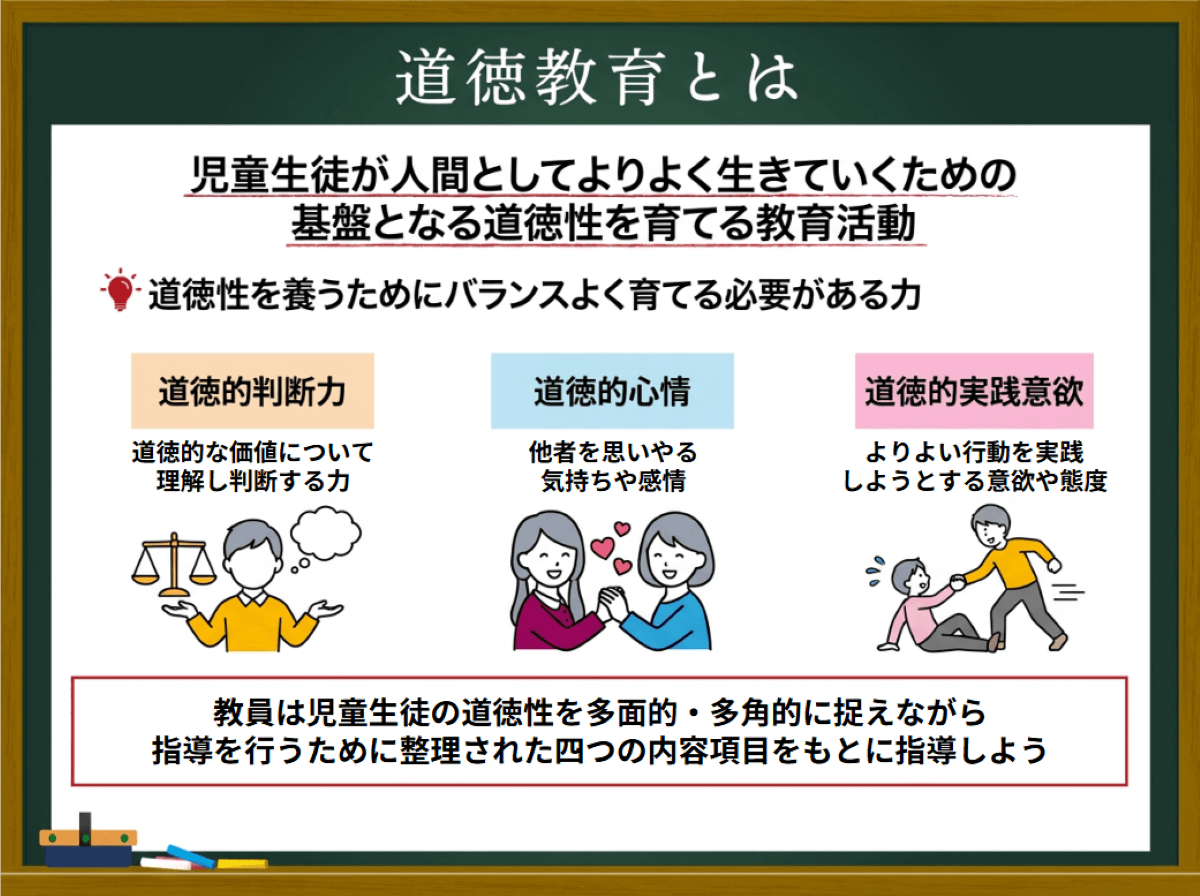
In classrooms across Japan, students aren’t just memorizing math formulas or historical dates—they’re learning to navigate the complexities of empathy, responsibility and ethical decision-making. The country’s moral education system goes far beyond a single subject in the curriculum. It’s a holistic approach that integrates character-building into every aspect of school life, from group projects to conflict resolution. But how exactly does this system work, and why is it gaining attention from educators worldwide?
Unlike Western models that often treat ethics as a standalone lesson or a philosophical debate, Japan’s approach embeds moral development into daily routines. The result? Students who graduate with not just academic skills, but the ability to contribute meaningfully to their communities. For businesses and policymakers, this raises a critical question: Can moral education be measured in tangible outcomes, or is it an intangible but essential foundation for future leaders?
This article examines the core principles of Japan’s moral education framework, its distinction from traditional ethics classes, and how primary and secondary schools are putting these ideals into practice. We’ll also explore why this model is sparking conversations in education reform globally—and what lessons it might hold for other countries.
What Is Moral Education—and How Is It Different from Ethics Classes?
At first glance, moral education and ethics classes might seem interchangeable. Both aim to instill values like honesty, respect, and fairness. However, Japan’s system distinguishes itself through two key principles:
- Holistic integration: Moral education isn’t confined to a single lesson or textbook. It’s woven into school life—from morning assemblies to extracurricular activities. The goal is to cultivate character through real-world experiences, not just theoretical discussions.
- Student-centered learning: While ethics classes often focus on philosophical debates or case studies, moral education in Japan prioritizes active participation. Students are encouraged to reflect on their actions, resolve conflicts collaboratively, and take ownership of their behavior.
For example, a dispute between students over a shared project isn’t just mediated by a teacher—it becomes a teaching moment. The focus shifts from punishing the wrongdoer to helping both parties understand the impact of their words, and actions. This approach aligns with Japan’s broader cultural emphasis on harmony (和, “wa”) and collective responsibility.
Key Takeaway: Moral education in Japan is about actionable character development, not just theoretical knowledge.
Why the Distinction Matters
Research from the OECD suggests that traditional ethics education often struggles to translate into real-world behavior. Students may understand abstract concepts like justice or compassion but fail to apply them in daily life. Japan’s model, however, treats moral education as a continuous process, not a one-time lesson.
Consider this: In a 2025 study by the Japanese Ministry of Education, Culture, Sports, Science and Technology (MEXT), 87% of surveyed teachers reported that students demonstrated improved conflict-resolution skills after participating in structured moral education programs. While correlation doesn’t prove causation, the data highlights a potential link between active moral engagement and behavioral change.
How Japanese Schools Put Moral Education into Practice
Japan’s moral education system is guided by the Fundamental Principles of Moral Education, established in 2008. These principles outline five core values:
- Respect for life and the environment
- Respect for others and social harmony
- Respect for truth and justice
- Respect for tradition and culture
- Respect for oneself and self-discipline
But how do these values translate into classroom activities? Schools across the country have developed innovative approaches:
1. Morning Assemblies: Starting the Day with Reflection
Most Japanese primary and secondary schools begin the day with a morning assembly (朝礼, “chōrei”). While these assemblies often include announcements or school songs, many also incorporate a brief moral discussion. For example:
- A teacher might read a short story about kindness and ask students to share how they’ve shown compassion that week.
- Students may take turns leading a reflection on themes like teamwork or perseverance.
This daily ritual reinforces that moral education isn’t a separate subject—it’s part of the school’s identity. Studies show that students in schools with consistent moral assemblies report higher levels of classroom engagement and peer respect.
2. Group Learning: Conflict as a Teaching Tool
Japanese classrooms often use group learning (グループ学習, “gurūpu gakushū”) to teach collaboration and accountability. When conflicts arise—whether over divided tasks or disagreements on group projects—teachers don’t just intervene. Instead, they guide students to:
- Identify the root cause of the conflict (e.g., poor communication, unequal workload).
- Brainstorm solutions as a group.
- Reflect on what they learned from the experience.
For instance, in a middle school in Tokyo’s Shinjuku Ward, students in a science project faced tension when one member refused to contribute. The teacher facilitated a discussion where the group ultimately decided to redistribute tasks fairly—and later presented their findings to the class, emphasizing the importance of teamwork.
3. Service Learning: Connecting Classrooms to Communities
Many Japanese schools integrate service learning (ボランティア活動, “borantia katsudō”) into their moral education programs. Students participate in community service—such as cleaning local parks, visiting nursing homes, or organizing food drives—and then reflect on the experience in class.
In a rural prefecture like Shiga, high school students partner with local farmers to learn about sustainable agriculture. Through this hands-on work, they develop empathy for the challenges faced by older generations while gaining practical skills. A 2024 report by Japan International Cooperation Agency (JICA) noted that 72% of participating students reported increased awareness of social issues after completing service projects.
4. Teacher Training: The Backbone of Moral Education
Japan’s system wouldn’t work without dedicated teacher training. The government requires educators to complete at least 40 hours of professional development in moral education every five years. Topics include:
- How to facilitate meaningful discussions on sensitive topics (e.g., bullying, digital ethics).
- Strategies for assessing students’ moral growth (beyond traditional tests).
- Cultural considerations in teaching values (e.g., balancing individualism and collectivism).
For example, the National Institute for Educational Policy Research (NIER) developed a curriculum where teachers use scenario-based role-playing to help students practice ethical decision-making. In one exercise, students might debate how to handle a situation where a classmate is cheating on an exam—without simply labeling the behavior as “wrong.”
Challenges and Criticisms: Is the System Flawed?
While Japan’s moral education model is widely praised, it’s not without criticism. Some educators and parents raise concerns:
- Overemphasis on conformity: Critics argue that the system’s focus on harmony (wa) can discourage dissent or independent thinking. For instance, students may avoid speaking up in group discussions to maintain group cohesion, even if they disagree.
- Lack of standardized assessment: Unlike academic subjects, moral education isn’t graded in most schools. This makes it difficult to measure its effectiveness or hold schools accountable for outcomes.
- Cultural specificity: Some values, like deep respect for authority, may not translate easily to societies with different cultural norms.
In response, MEXT has begun piloting moral competency frameworks in select schools. These frameworks use observational tools—such as tracking how often students initiate kind acts or resolve conflicts peacefully—to provide feedback to teachers. However, as of 2026, no nationwide assessment system exists.
Global Interest: What Other Countries Can Learn
Japan’s approach to moral education has caught the attention of educators in the U.S., Europe, and beyond. Here’s why:
- Reducing bullying: Countries like Finland and Sweden have adopted elements of Japan’s conflict-resolution strategies to address school bullying. A 2023 UNICEF report highlighted Japan’s model as a case study for fostering inclusive school environments.
- Corporate social responsibility (CSR): Japanese companies, such as SoftBank and Toyota, have partnered with schools to integrate ethical decision-making into business curricula. The goal? To produce employees who prioritize integrity alongside profit.
- Parental engagement: Japan’s system encourages parents to reinforce moral lessons at home. Schools often host workshops where families discuss values like perseverance (努力, “doryoku”) or gratitude (感謝, “kansha”). This holistic approach contrasts with Western models where moral education is often siloed in schools.
Yet, adapting Japan’s model isn’t straightforward. Cultural context matters. For example, in individualistic societies like the U.S., group-based learning might feel less natural. However, hybrid approaches—such as combining Japan’s reflection exercises with Western-style debate—are being tested in pilot programs.
Key Takeaways: What Readers Should Know
- Moral education ≠ ethics class: Japan’s system is active, experiential, and embedded in daily life, not a theoretical subject.
- Real-world impact: Schools use conflicts, service projects, and daily reflections to teach values like respect and responsibility.
- Teacher training is critical: Educators receive specialized training to guide moral discussions effectively.
- Challenges remain: Critics question whether the system stifles individuality or lacks measurable outcomes.
- Global potential: Elements of Japan’s model are being explored in bullying prevention, corporate ethics, and parental engagement programs worldwide.
What’s Next? The Future of Moral Education in Japan
As Japan continues to refine its approach, several developments are on the horizon:
- Digital ethics: With the rise of AI and social media, MEXT is exploring how to integrate discussions on digital citizenship into moral education. Pilot programs in Tokyo and Osaka are testing scenarios where students analyze ethical dilemmas in online spaces (e.g., cyberbullying, misinformation).
- Data-driven assessment: By 2027, MEXT plans to expand its moral competency frameworks to 50% of primary and secondary schools, using AI tools to analyze behavioral trends and provide teachers with actionable insights.
- International collaboration: Japan is partnering with UNESCO to share its model with Southeast Asian countries, where similar cultural values around respect and community exist.
For now, the system remains a testament to Japan’s belief that education isn’t just about academic achievement—it’s about shaping individuals who can contribute to a better society.
Have you experienced or studied moral education in your country? Share your thoughts in the comments below—or tag us on social media to join the conversation. #MoralEducation #CharacterDevelopment #JapanEducation
Keep reading