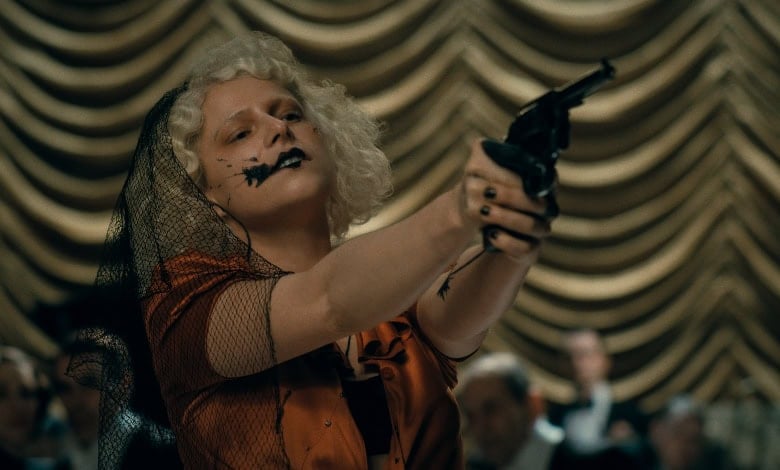
The entertainment industry is navigating a complex landscape where box office performance and critical reception are increasingly intertwined with cultural and political narratives. Recent scrutiny has focused on the opening weekend performance of Maggie Gyllenhaal’s “The Bride,” a modern reimagining of the Frankenstein story, which earned approximately $7 million domestically against a reported production budget of $80–$100 million. While box office failures are not uncommon, the discourse surrounding “The Bride!” has centered on whether the film’s overt thematic elements contributed to its lackluster performance and how media outlets are framing the story.
The conversation extends beyond a single film, touching on a broader trend of media analysis and the challenges of reporting on projects that engage with contemporary social issues. A recent example highlighted by some observers involves coverage of Paul Thomas Anderson’s upcoming film, “One Battle After Another,” starring Leonardo DiCaprio. Initial reports suggested the film, which features DiCaprio as an anti-ICE (Immigration and Customs Enforcement) activist, might face an uphill battle during awards season. This sparked criticism, as seen in a widely shared post on X (formerly Twitter) from user @ErickWeber, questioning the framing of the film’s potential reception. The incident underscores a growing perception that some media outlets are hesitant to acknowledge potential negative audience reactions to films perceived as having a strong political agenda.
The Box Office Disappointment of “The Bride!”
“The Bride!” faced a challenging opening weekend, falling short of industry expectations. The film received a CinemaScore of C+, indicating generally negative audience reception. This score places it alongside other period horror films like “Midsommar” (also a C+) and below films such as “Nosferatu,” “Bram Stoker’s Dracula,” and “Crimson Peak,” which received B- grades, according to Deadline. Several factors were cited as potential contributors to the film’s underperformance, including competition from other releases like “Scream 7” and “Send Help,” and a perceived “Frankenstein fatigue” following the success of Guillermo del Toro’s “Nightmare Alley” and “Poor Things.”
However, many critics and online commentators suggest that the film’s thematic content – specifically its feminist messaging – played a significant role in deterring audiences. Reports indicate that the film includes overt references to the “Me Too” movement, which some viewers found heavy-handed or distracting from the narrative. The film’s director, Maggie Gyllenhaal, has been a vocal advocate for feminist issues, and her perspective is clearly present in the film’s storyline and character development. The question remains whether this overt messaging resonated with audiences or alienated potential viewers.
Media Framing and the “Woke” Debate
The response from major entertainment publications to “The Bride!”’s box office failure has drawn criticism for what some perceive as a reluctance to acknowledge the potential impact of its thematic elements. Variety attributed the film’s poor performance to a “tepid press tour,” “Frankenstein fatigue,” and an “inauspicious release date,” as reported by Variety. IndieWire similarly focused on factors such as audience fatigue with monster movies and Warner Bros.’ parent company’s ongoing sale negotiations, as detailed in IndieWire’s analysis. Notably, neither publication directly addressed the possibility that the film’s perceived “wokeness” contributed to its failure.
This perceived reluctance to address the issue has fueled a broader debate about the role of political and social messaging in entertainment and the media’s responsibility to provide honest and unbiased reporting. Critics argue that some outlets are hesitant to acknowledge the potential negative impact of “woke” messaging on audience reception, fearing backlash or accusations of bias. This reluctance, they contend, contributes to a distorted understanding of the factors that drive box office success, and failure. The situation echoes concerns raised regarding coverage of other films and cultural products that engage with controversial social issues.
*NO ONE EXPECTED AN ANTI-ICE PTA FILM TO BE AN AWARDS JUGGERNAUT*
Holy shit @DEADLINE congrats on the stupidest thing ever written by a Hollywood trade pic.twitter.com/txHPAdsGQV
— Erick Weber (@ErickWeber) March 8, 2026
The Case of “One Battle After Another” and Preemptive Narrative Control
The initial coverage of Paul Thomas Anderson’s “One Battle After Another” provides a contrasting example. Reports indicated that the film, starring Leonardo DiCaprio as an activist opposing Immigration and Customs Enforcement (ICE), might face challenges during awards season. This prompted criticism from some observers, who argued that the framing of the film’s potential reception was premature and potentially biased. The incident highlights a growing trend of preemptive narrative control, where media outlets attempt to shape public perception of a film before its release, often based on its perceived political leanings.
The film’s plot, as understood from available information, centers on an ex-revolutionary forced back into action when pursued by a corrupt military officer. The casting of DiCaprio, a highly respected and popular actor, adds to the film’s profile. However, the film’s subject matter – immigration and activism – is inherently politically charged, and its reception is likely to be influenced by audience perspectives on these issues. The initial media coverage suggests a potential for controversy, and it remains to be seen how the film will be received by critics and audiences alike.
Broader Implications for the Entertainment Industry
The debates surrounding “The Bride!” and “One Battle After Another” reflect a broader trend in the entertainment industry: the increasing intersection of art and politics. Filmmakers are increasingly willing to tackle controversial social issues, and audiences are increasingly attuned to the political messages embedded in entertainment. This creates a complex dynamic, where box office success and critical acclaim are no longer solely determined by artistic merit but also by a film’s alignment with prevailing cultural and political norms. The challenge for both filmmakers and media outlets is to navigate this landscape with honesty, integrity, and a commitment to providing audiences with a nuanced and informed perspective.
The situation also raises questions about the role of media criticism in a polarized political climate. Critics are often expected to provide objective assessments of artistic merit, but their own biases and perspectives inevitably influence their judgments. The reluctance of some outlets to acknowledge the potential impact of “woke” messaging on audience reception suggests a fear of being perceived as politically incorrect or out of touch. This fear, critics argue, undermines the credibility of media criticism and hinders a genuine understanding of the factors that shape audience behavior.
The ongoing debate also touches on the evolving dynamics of audience engagement. Social media platforms have empowered audiences to express their opinions and influence the narrative surrounding films and other cultural products. Negative word-of-mouth can quickly derail a film’s box office prospects, while positive buzz can generate significant momentum. Filmmakers and studios are increasingly aware of this dynamic and are attempting to leverage social media to shape public perception of their projects.
As the entertainment industry continues to grapple with these challenges, It’s likely that the debates surrounding “The Bride!” and “One Battle After Another” will serve as cautionary tales. The need for honest and unbiased reporting, coupled with a willingness to acknowledge the complex interplay of artistic merit, political messaging, and audience reception, will be crucial for navigating the evolving landscape of entertainment in the years to reach.
The next key date for “One Battle After Another” will be its premiere, currently scheduled for September 8, 2025, at the TCL Chinese Theatre in Los Angeles. The film’s performance in the coming months will undoubtedly be closely watched by industry observers and will likely fuel further debate about the role of politics in entertainment. Readers are encouraged to share their thoughts and perspectives on these issues in the comments section below.