Are Home Batteries Worth It in 2026?
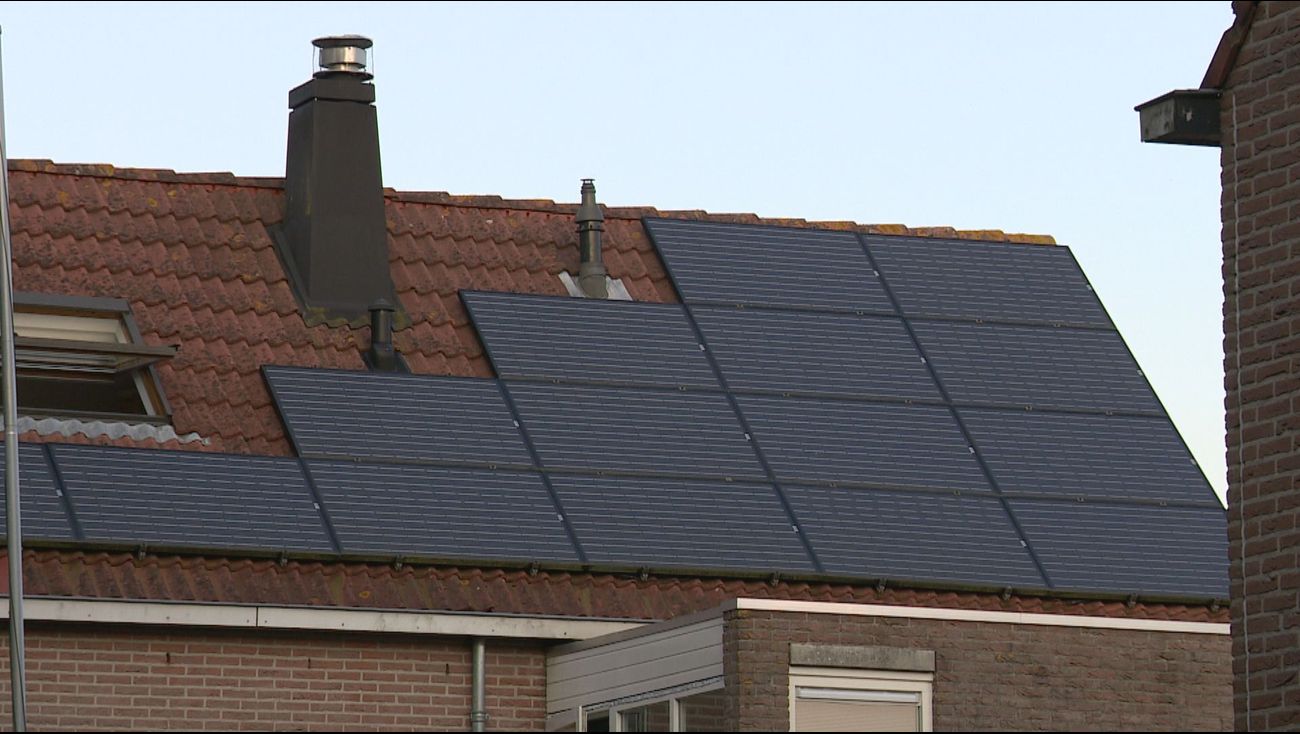
As more households adopt solar energy, the question of whether to add a home battery is becoming increasingly common. While the appeal of energy independence and reduced electricity bills is strong, experts are urging caution.Current analysis suggests that the financial benefits of home batteries are not always clear-cut, and potential buyers should carefully consider the costs, environmental impact, and future market trends before investing.This article,updated as of January 23,2026,provides a comprehensive overview of the current state of home battery technology and its viability.
The Rising Cost of Battery Components and Environmental Concerns
Home batteries, typically lithium-ion based, rely on raw materials like lithium, cobalt, and phosphate. The sourcing of these materials is increasingly scrutinized due to both cost fluctuations and environmental impact.Mining these resources can be environmentally damaging, and supply chain issues can drive up prices.The International Energy Agency (IEA) highlights the growing demand for critical minerals and the need for lasting sourcing practices.
Financial viability: A Question Mark
Experts like Tresoor,an energy advisor,question the financial wisdom of purchasing a home battery at this time. The primary concern is the return on investment. Whether the savings on electricity bills will offset the initial cost remains uncertain.
Current Return on Investment Timelines
Research from CE Delft, an independent research and advisory bureau, indicates that the current payback period for a home battery is approximately seven to fifteen years.This timeframe can be even longer for less optimal battery systems. CE Delft‘s analysis of thirteen households with home batteries revealed significant variability in payback periods.
Factors Influencing Payback Period
several factors influence how quickly a home battery can pay for itself:
- Battery quality and Capacity: More efficient and larger-capacity batteries generally offer a faster return, but come at a higher upfront cost.
- Energy Consumption Patterns: Households with higher energy consumption and a greater ability to utilize self-generated solar power will benefit more.
- Electricity Prices: Rising electricity prices accelerate the payback period.
- Subsidies and Incentives: Government subsidies, like those offered by some provinces, can significantly reduce the initial cost.
- Net Metering Policies: The rules governing how excess solar energy is credited back to the grid impact the financial benefits.
future Trends: Declining Prices and Dynamic Pricing
Experts predict that home battery prices will continue to fall in the coming years, making them a more attractive investment. Furthermore, changes in electricity pricing structures are on the horizon. Netbeheerders (Dutch grid operators) are moving towards dynamic pricing models, where electricity costs vary depending on demand. The European network of Transmission System operators for Electricity (ENTSOE) is actively working on implementing these changes.
Under dynamic pricing, home batteries could become more valuable by storing energy during off-peak hours and discharging it during peak demand, possibly earning homeowners additional revenue.
Subsidies and Restrictions
Many provinces offer subsidies to encourage the adoption of home batteries,typically covering around 25% of the cost. However, these subsidies often come with restrictions. For example, some provinces require that the battery be primarily used for self-consumption of solar energy, with limitations on selling excess power back to the grid during certain hours. These restrictions are designed to prevent strain on the local power grid during peak demand. Specifically, in some regions, batteries might potentially be restricted from exporting power between 12:00 and 15:00 from April to september, and from charging from the grid between 17:00 and 21:00 from October to March.
Recommendations
Given the current market conditions, experts recommend the following:
- Delay Purchase: If possible, postpone the purchase of a home battery until prices fall further and dynamic pricing models are more widespread.
- Prioritize Energy Efficiency: Invest in energy efficiency measures like insulation, ventilation, and heat pumps, which offer a more guaranteed return on investment.
- Seek Expert Advice: Consult with a qualified energy advisor to assess your specific needs and determine if a home battery is right for you.
- Thoroughly Research: Compare different battery systems and carefully evaluate the terms of any subsidies or incentives.
Key Takeaways
- Home battery payback periods currently range from 7-15 years.
- Battery prices are expected to decline in the future.
- Dynamic electricity pricing could increase the value of home batteries.
- Subsidies are available but often come with restrictions.
- Prioritizing energy efficiency is frequently enough a more cost-effective investment.
The home battery market is evolving rapidly. While the technology holds promise, it’s crucial to approach the investment with careful consideration and a realistic understanding of the current costs and benefits. Continued monitoring of market trends and policy changes will be essential for making informed decisions in the years to come.
Worth a look