
During a high-stakes Senate hearing this week, Secretary of Homeland Security Markwayne Mullin declined to offer a blanket commitment to abide by all future federal court orders, sparking a sharp debate over the limits of executive power and the administration’s approach to border enforcement. The exchange occurred as the Department of Homeland Security (DHS) faces mounting pressure from both the judiciary and legislative oversight committees regarding its operational policies and fiscal priorities.
The refusal to provide an absolute guarantee to adhere to judicial rulings has drawn immediate scrutiny from legal experts and lawmakers. While government officials are generally bound by the principle of judicial review under the U.S. Constitution, the tension between administrative discretion and court-mandated directives has become a central theme in current policy disputes. As the Department of Homeland Security navigates a complex landscape of litigation, the question of how the executive branch balances its enforcement agenda with the rule of law remains a point of significant contention.
For those tracking the intersection of immigration policy and constitutional law, this incident highlights a growing friction between the executive branch and the federal judiciary. The Department of Homeland Security, which oversees critical national security and border management functions, is currently subject to various ongoing legal challenges that test the scope of its authority. Understanding the implications of such statements requires a closer look at the mechanisms of administrative law and the oversight roles played by the legislative branch.
The Constitutional Tension Between DHS and the Judiciary
At the heart of the recent Senate testimony was a fundamental disagreement regarding the role of the Department of Homeland Security in implementing policies that have been challenged in federal courts. Critics of the administration argue that failing to commit to court orders undermines the stability of the legal system, while supporters of the current leadership emphasize the necessity of preserving executive flexibility in national security matters. The federal court system serves as the ultimate arbiter of these disputes, ensuring that agency actions remain within the boundaries established by Congress and the Constitution.
During the hearing, senators from across the aisle pressed for clarity on how the agency plans to reconcile its internal enforcement directives with potentially conflicting judicial outcomes. The discussion underscored the complexity of managing border operations while simultaneously complying with injunctions or rulings that may limit specific administrative tools. This dynamic is not entirely new; historically, executive agencies have often found themselves in the position of litigating the exceptionally orders that attempt to restrict their operational reach.
Legislative Oversight and Budgetary Pressures
The testimony was part of a broader set of hearings focused on the Department of Homeland Security’s budget requests and policy trajectory. As the agency seeks funding for its diverse portfolio—ranging from cybersecurity and disaster response to immigration enforcement—it must also justify its operational strategy to the Senate. The Senate Committee on Homeland Security and Governmental Affairs has made it clear that adherence to established legal standards is a prerequisite for continued legislative support and budgetary approval.
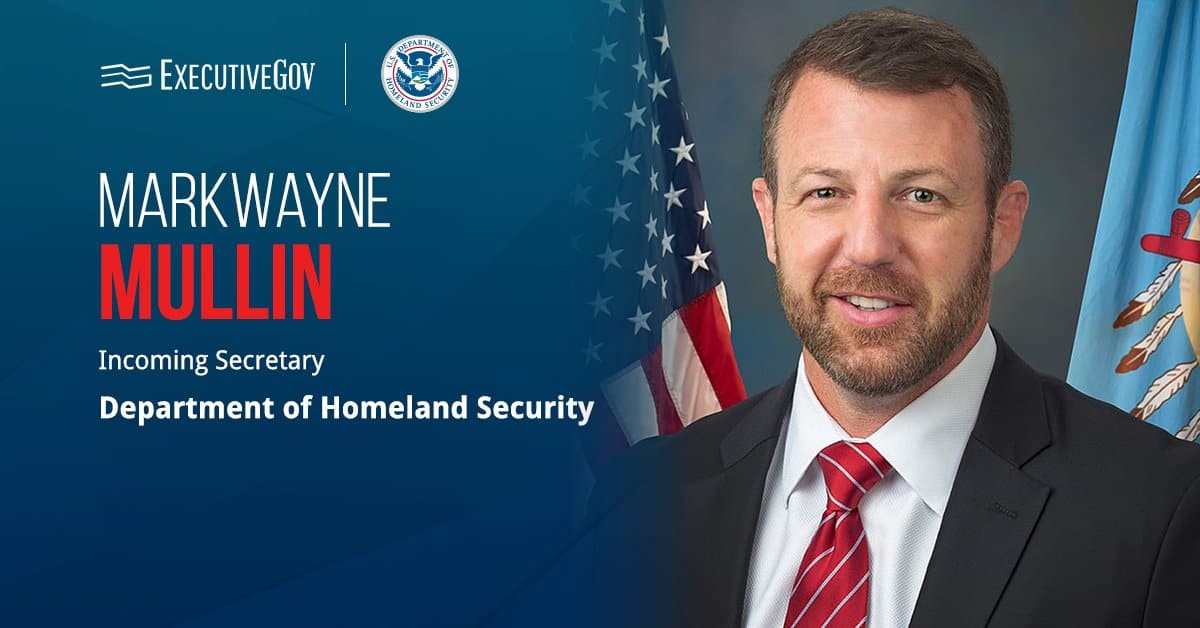
.jpg/960px-DHS_Secretary_Markwayne_Mullin_Official_Portrait_(55166865268).jpg "Markwayne Mullin portrait")
The debate is further complicated by the ongoing political discourse surrounding immigration reform. With various cases moving through the appellate courts, the administration is frequently tasked with explaining how it intends to execute its mandates while respecting the rulings of district and circuit courts. For the public and stakeholders, these hearings serve as a barometer for how the government prioritizes its legal obligations against its stated policy goals. Detailed information on the agency’s current fiscal requests and operational reports can be reviewed via the DHS Office of the Chief Financial Officer.
What So for Future Legal Challenges
The refusal to commit to blanket compliance with court orders raises significant questions about the future of administrative law. When an executive official signals a potential deviation from judicial mandates, it often triggers increased litigation from advocacy groups and state attorneys general. This cycle of challenge and response creates a volatile environment for both the agency and the populations affected by its policies. Legal scholars note that such rhetoric, even if intended for a political audience, can have real-world consequences for the predictability of government actions.
Looking ahead, the next checkpoint for this issue will likely be the next scheduled status conference in the ongoing litigation currently pending before the federal courts. These proceedings will provide a clearer picture of how the administration intends to align its enforcement activities with judicial guidance. As these cases proceed, the public can monitor official dockets and court filings to observe how the executive branch reconciles its policy objectives with the requirements of the law.
We will continue to provide updates as new information emerges from upcoming congressional hearings and judicial filings. We invite our readers to share their perspectives on this developing story in the comments section below, as we continue to track how these complex legal and political developments shape the future of national security policy.
Keep reading