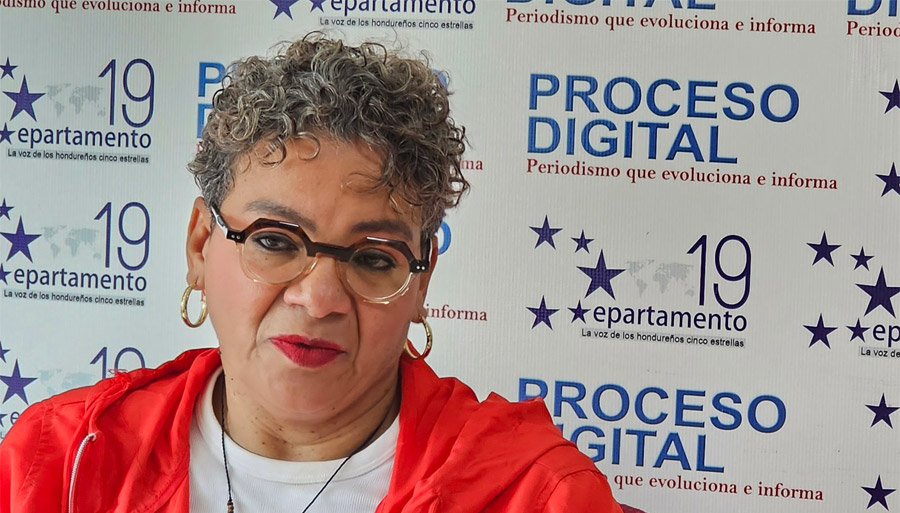
Tegucigalpa, Honduras – Concerns are mounting over the persistent backlog of surgeries in Honduras, impacting thousands of patients despite a recent declaration of emergency in the country’s healthcare system. Dr. Claudia Ramírez, a physician and former deputy, has publicly urged President Nasry Asfura’s administration to implement a comprehensive plan to address the growing crisis, emphasizing the urgent need for action. The situation highlights systemic challenges within the Honduran healthcare infrastructure and raises questions about resource allocation and effective management.
The issue of surgical delays, often referred to as “mora quirúrgica,” is not new to Honduras. However, the current scale of the problem, coupled with the recent emergency declaration, has intensified scrutiny. Dr. Ramírez’s call for a detailed plan underscores the frustration felt by healthcare professionals and patients alike, who are witnessing prolonged waits for essential medical interventions. The delays not only exacerbate existing health conditions but too contribute to increased suffering and, in some cases, preventable deaths. Addressing this requires a multifaceted approach, encompassing improved infrastructure, increased staffing, and efficient resource management.
The emergency declaration in the health sector, intended to mobilize resources and expedite solutions, has yet to yield a concrete, publicly available plan to tackle the surgical backlog. President Asfura has indicated that results regarding healthcare intervention are expected by the complete of March 2026, but details remain scarce. This lack of transparency is fueling concerns among medical professionals and patient advocacy groups, who are demanding greater clarity, and accountability. The situation is particularly acute at Hospital Escuela, one of the country’s primary referral centers, which faces a disproportionately high demand for surgical procedures.
The Scale of the Problem and Calls for Immediate Action
Dr. Ramírez has been vocal in her criticism, stating that the waiting lists for surgeries are extensive and affect individuals with critical health needs. She emphasized that patients are not simply numbers on a list but individuals whose lives are directly impacted by these delays. “The disease doesn’t wait,” she reportedly stated, highlighting the time-sensitive nature of many surgical cases. Her call for immediate intervention is rooted in the understanding that timely access to surgery can significantly improve patient outcomes and reduce long-term complications.
The former deputy stressed that her concerns are not directed at any particular government but rather at the systemic issues plaguing the healthcare system. She believes that a non-partisan approach is crucial to finding sustainable solutions. The focus, she argues, should be on prioritizing patient well-being and ensuring equitable access to care. This requires a collaborative effort involving healthcare professionals, government officials, and civil society organizations.
A key concern raised by Dr. Ramírez is the lack of clarity regarding the resources needed to address the backlog. She questioned the availability of sufficient human resources, medical supplies, and equipment to effectively reduce the waiting lists. Without a detailed plan outlining these essential components, she believes that any efforts to tackle the problem will be hampered. Effective resource allocation is paramount, ensuring that funds are directed towards areas of greatest need and that supplies are readily available when and where they are required.
Government Structure and Resource Allocation
According to reporting by El Heraldo on February 5, 2026, President Nasry Asfura has sworn in over 50 officials to his cabinet in the week following his inauguration. The analysis of the cabinet’s composition reveals a mix of experienced individuals from previous administrations and long-time colleagues of the President. However, the structure of the health ministry has drawn some criticism. Reports indicate that President Asfura is currently heading the Secretariat of Health directly, with only two viceministers appointed, rather than a full minister. Some specialists suggest that this structure may not be ideal given the complexity of the health system and the magnitude of the challenges it faces.
The composition of Asfura’s cabinet, as of February 5, 2026, demonstrates a leaning towards male representation, with 37 men and 20 women holding high-ranking positions – a 65% to 35% ratio. While there is a degree of gender parity, men predominantly occupy leadership roles such as secretaries of state and directors of public institutions. Four women have been appointed as ministers: Mireya Agüero de Corrales as Foreign Minister, Fátima Juárez as Minister of Social Networks, Sulmy Ortez as Minister of Governance, and Ivette Argueta Padilla as Minister of Education. This distribution raises questions about gender representation in key decision-making positions within the government.
The Broader Context of Healthcare in Honduras
Honduras faces significant challenges in providing adequate healthcare to its population. Limited infrastructure, a shortage of healthcare professionals, and inadequate funding have long been persistent issues. The COVID-19 pandemic further exacerbated these problems, straining the already fragile healthcare system and leading to increased delays in essential medical services. The pandemic also highlighted the need for greater investment in public health infrastructure and a more robust healthcare workforce.
The issue of “mora quirúrgica” is often linked to broader systemic problems, including inefficient referral systems, inadequate diagnostic capabilities, and a lack of coordination between different healthcare facilities. Addressing these underlying issues requires a comprehensive reform of the healthcare system, focusing on improving efficiency, transparency, and accountability. This includes investing in technology, streamlining administrative processes, and strengthening the capacity of healthcare professionals.
The lack of a clear plan to address the surgical backlog is particularly concerning given the emergency declaration. The declaration was intended to unlock resources and expedite solutions, but without a concrete strategy, its impact is likely to be limited. Transparency and public engagement are crucial to building trust and ensuring that the resources are used effectively. Regular updates on progress, along with opportunities for public feedback, can help to foster a sense of accountability and ensure that the needs of patients are being met.
Key Takeaways
- Significant Surgical Backlog: Thousands of Honduran patients are facing lengthy delays for essential surgeries, impacting their health and well-being.
- Lack of Comprehensive Plan: Despite a declared health emergency, a detailed plan to address the backlog remains unavailable to the public.
- Government Structure Concerns: The current structure of the Secretariat of Health, with the President directly overseeing the ministry and only two viceministers appointed, has raised questions about its effectiveness.
- Resource Allocation Challenges: Concerns exist regarding the availability of sufficient human resources, medical supplies, and equipment to tackle the backlog.
The situation demands urgent attention and a coordinated response from the Honduran government. Dr. Ramírez’s call for immediate action serves as a reminder that access to timely medical care is a fundamental human right. The coming weeks will be critical in determining whether the government can deliver on its promise to address the surgical backlog and improve the health outcomes of Honduran citizens. The expected results of the intervention, promised by President Asfura for the end of March 2026, will be a key indicator of the government’s commitment to resolving this critical issue.
We encourage readers to share their experiences with the Honduran healthcare system and to engage in constructive dialogue about potential solutions. Your voices are vital in shaping a healthier future for Honduras.
Worth a look