
Sofia, Bulgaria — May 14, 2026
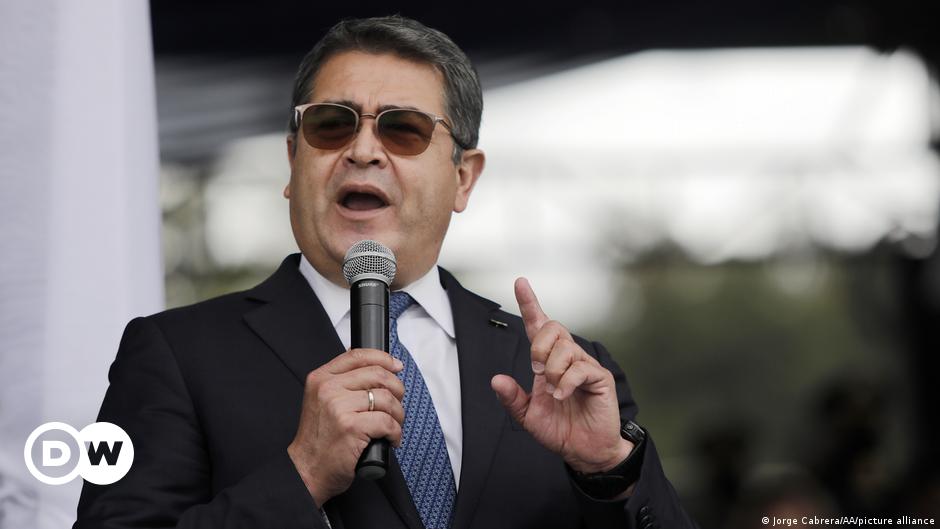
A leaked audio recording released last month has ignited a regional scandal known as Hondurasgate, alleging a coordinated effort by the United States, Israel, and Honduran officials to destabilize progressive governments across Latin America through disinformation campaigns. The claims—centered on former Honduran President Juan Orlando Hernández—have sent shockwaves through diplomatic circles, raising questions about foreign interference, media manipulation, and the role of pardoned political figures in regional geopolitics.
The leaked materials, published by investigative outlets including Diario Red en América Latina and the platform Hondurasgate, suggest Hernández—currently under a controversial US pardon for drug trafficking charges—is operating as a proxy for right-wing leaders, including US President Donald Trump and Argentine counterpart Javier Milei. The recordings allegedly detail plans to fund a digital media operation aimed at undermining the governments of Colombia’s Gustavo Petro and Mexico’s Claudia Sheinbaum, both left-leaning administrations targeted by conservative critics.
But with deepfake concerns, unverified claims, and competing narratives swirling, separating fact from speculation is critical. This verified report cuts through the noise to outline what’s confirmed, what’s disputed, and what’s still unknown about the scandal’s origins, its alleged backers, and its potential impact on Latin America’s political landscape.
Key Allegation: The leaked recordings—published in three installments—purport to show Hernández discussing a $150,000 budget to establish a US-based “digital journalism unit” focused on generating and disseminating misinformation targeting progressive governments. The conversation allegedly involves Hernández, current Honduran President Nasry Asfura, and Vice President María Antonieta Mejía.
What the Leaked Recordings Allegedly Reveal
The first installment of the Hondurasgate recordings, released in late April, centered on Hernández’s claims of operating as a regional operative for Trump. According to the audio, Hernández—who was pardoned by Trump in a highly controversial move earlier this year—described his plans to use the $150,000 (a figure cited in the recordings but not independently verified) to rent an apartment in the US and launch a media operation. The goal, per the leaked conversation, was to “create a channel for disseminating fake news” aimed at destabilizing Petro and Sheinbaum’s administrations.
Verification Note: While the recordings have been widely shared, their authenticity remains a subject of debate. Some analysts have raised the possibility of deepfake manipulation, though no independent forensic analysis has been publicly released. The recordings themselves have not been published in full by major news organizations, complicating third-party verification.
The second installment, published last week, allegedly includes a conversation between Hernández and Asfura, where Hernández asserts that Milei’s government has provided financial support. The audio claims Hernández told Asfura, “Milei’s people are handling the logistics,” though no direct evidence of Argentine involvement has been independently confirmed.
Key Players in the Allegations
- Juan Orlando Hernández: Former Honduran president (2014–2022), currently serving a 45-year sentence in the US for drug trafficking charges until his pardon by Trump in March 2026. The pardon was widely criticized as politically motivated, given Hernández’s ties to US right-wing networks.
- Donald Trump: US President, who pardoned Hernández despite objections from US law enforcement and international human rights groups. Trump’s administration has not commented on the Hondurasgate allegations.
- Javier Milei: President of Argentina, whose government has denied involvement in the alleged disinformation campaign. Milei’s administration has faced scrutiny over its ties to Hernández and other Latin American right-wing figures.
- Nasry Asfura: Current President of Honduras, who has not publicly addressed the recordings. Asfura’s government has maintained diplomatic ties with both the US and Israel amid the scandal.
- Claudia Sheinbaum: President-elect of Mexico, whose left-wing administration has been a vocal critic of US interventionism in Latin America.
- Gustavo Petro: President of Colombia, whose government has also faced accusations of US-backed destabilization efforts in the past.
What’s Confirmed—and What Isn’t
While the recordings have sparked global headlines, several critical details remain unverified or disputed:
1. The Authenticity of the Recordings
The audio files have not undergone independent forensic verification by major media organizations or cybersecurity experts. Reuters reported that some analysts have questioned whether the recordings could be fabricated or edited, though no definitive conclusions have been reached. Without access to the raw audio files or metadata, third-party verification remains impossible at this stage.
2. Financial Backing and Logistics
The recordings allege a $150,000 budget for Hernández’s media operation, funded in part by Milei’s government. However:
- No bank records, transfer documents, or official statements from Milei’s administration have been made public to confirm this claim.
- The Argentine government has denied any involvement, calling the allegations “false and baseless.”
- The US and Israeli governments have not responded to requests for comment on their alleged roles in the scheme.
3. The Role of Israel
The initial reports from Diario Red and Hondurasgate suggested Israeli involvement in the alleged disinformation plot. However:
- No Israeli officials or government agencies have been named in the recordings.
- The Israeli Ministry of Foreign Affairs has not issued a statement addressing the claims.
- Background orientation sources mention Israeli “interventionist intentions,” but these are not supported by primary sources or official statements.
4. Legal and Diplomatic Fallout
Despite the lack of confirmed evidence, the scandal has already triggered diplomatic tensions:
- Mexico has summoned the Honduran ambassador to express “grave concern” over the allegations, though no formal accusations have been filed.
- Colombia’s Foreign Ministry has called for a “transparent investigation” into the claims, but no concrete actions have been taken.
- The Organization of American States (OAS) has not yet issued a statement, though regional observers are watching closely for signs of foreign interference.
Why This Matters: The Broader Context of Disinformation in Latin America
The Hondurasgate scandal is not an isolated incident. Over the past decade, Latin America has become a battleground for foreign-backed disinformation campaigns, particularly targeting left-wing governments. Key examples include:
- 2019 Brazil Elections: WhatsApp and social media campaigns allegedly linked to US and Israeli operatives aimed to sway voters against Luiz Inácio Lula da Silva.
- 2020 Bolivia: Accusations of foreign interference in the aftermath of Evo Morales’ ouster, including claims of coordinated misinformation by right-wing networks.
- 2023 Peru: Reports of fake news operations targeting President Pedro Castillo’s government, with alleged ties to US-based think tanks.
If the Hondurasgate allegations are confirmed, they would represent a new escalation in these efforts, with former political figures like Hernández acting as conduits for foreign influence. The involvement of a pardoned drug trafficking convict—whose legal case was widely seen as politically motivated—adds a layer of controversy to the scandal.
What Happens Next: Key Checkpoints
The next critical developments will likely hinge on three factors:
- Independent Verification: Major media organizations, including BBC and Reuters, have indicated they are seeking access to the full audio recordings for forensic analysis. A public release of unedited files could resolve authenticity questions within weeks.
- Government Responses: The US, Israeli, and Argentine governments are under increasing pressure to address the allegations. The next official statements from these nations—expected by late May—could clarify their involvement or deny it outright.
- Regional Diplomacy: The OAS and UN may convene emergency sessions to discuss foreign interference in Latin American elections. Petro and Sheinbaum have both signaled they will raise the issue at upcoming summits.
Where to Follow Updates
- Organization of American States (OAS) – For official regional statements.
- US Department of State – For potential US government responses.
- Argentine Presidency – For Milei’s administration updates.
- Mexican Government – For Sheinbaum’s official stance.
Key Takeaways
- The Hondurasgate scandal alleges a US-Israeli-Honduran plot to spread disinformation against left-wing governments in Latin America, but key details remain unverified.
- Leaked audio recordings suggest former Honduran President Juan Orlando Hernández is operating as a proxy for right-wing leaders, including Donald Trump and Javier Milei.
- Authenticity of the recordings is disputed, with no independent forensic analysis released to date.
- Financial claims (e.g., $150,000 budget) and allegations of Israeli involvement lack official confirmation.
- The scandal underscores broader concerns about foreign interference in Latin American politics through disinformation campaigns.
- Next steps include independent verification of the recordings, government responses, and potential regional diplomatic actions.
As the investigation unfolds, one thing is clear: the stakes could not be higher. In an era where misinformation shapes elections and destabilizes democracies, the Hondurasgate revelations—whether confirmed or debunked—will have lasting implications for trust in regional institutions and the role of foreign powers in Latin America’s future.
What do you think? Are these allegations credible, or is this another example of political theater in Latin America? Share your thoughts in the comments below.