
Hong Kong is moving to cushion the impact of rising global fuel prices on its residents and businesses, announcing a series of subsidies for diesel and liquefied petroleum gas (LPG). The measures, unveiled by Finance Secretary Paul Chan on Wednesday, are a direct response to concerns over economic disruption stemming from ongoing geopolitical instability in the Middle East, which is impacting oil supply and costs worldwide.
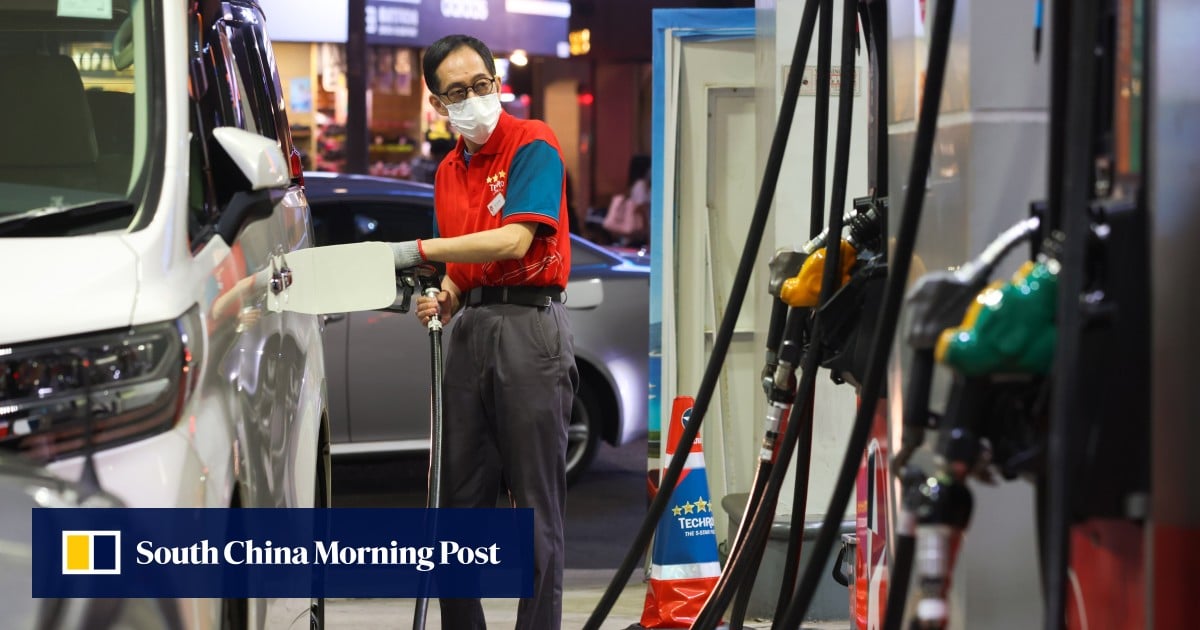
The government will implement a subsidy of HK$3 per litre for diesel, effective from 12:00 AM on Thursday, April 30, 2026, and lasting until 11:59 PM on June 29, 2026. This subsidy is designed to benefit a broad range of users, including public and commercial vehicles, as well as vessels utilizing diesel fuel. Chan explained that the subsidy will be reflected in prices at petrol stations, with the government reimbursing the difference to oil companies and distributors. The scheme, initially proposed earlier in April, received “swift approval” from the Legislative Council, according to Chan. Hong Kong Free Press reported on the swift legislative action.
Addressing LPG Costs for Public Transport
Recognizing the particular vulnerability of public transport to LPG price increases, the government likewise announced a subsidy of HK$0.5 per litre for taxis, minibuses, and school buses. This measure is expected to benefit approximately 16,900 taxis, 3,440 minibuses, and 170 school buses across the city. Whereas the diesel subsidy takes effect immediately, the LPG subsidy is slated to be rolled out in late May, with a specific date yet to be announced. Chan highlighted that the rising cost of LPG – with the cap price at dedicated filling stations increasing by over HK$1 per litre, representing a more than 28 percent increase – poses a significant challenge to the operations of these essential transport services. The majority of minibuses and taxis in Hong Kong rely on LPG as their primary fuel source.
Financial Implications and Budget Allocation
Transport Minister Mabel Chan, speaking at the Legislative Council on Wednesday, estimated the cost of the LPG subsidy at around HK$38.4 million. Hong Kong Free Press detailed that these expenses will be covered through internal reallocation of funds from three government bureaus: the Financial Services and the Treasury Bureau, the Environment and Ecology Bureau, and the Transport and Logistics Bureau. The overall expenditure for the diesel subsidy is estimated at HK$1.8 billion.
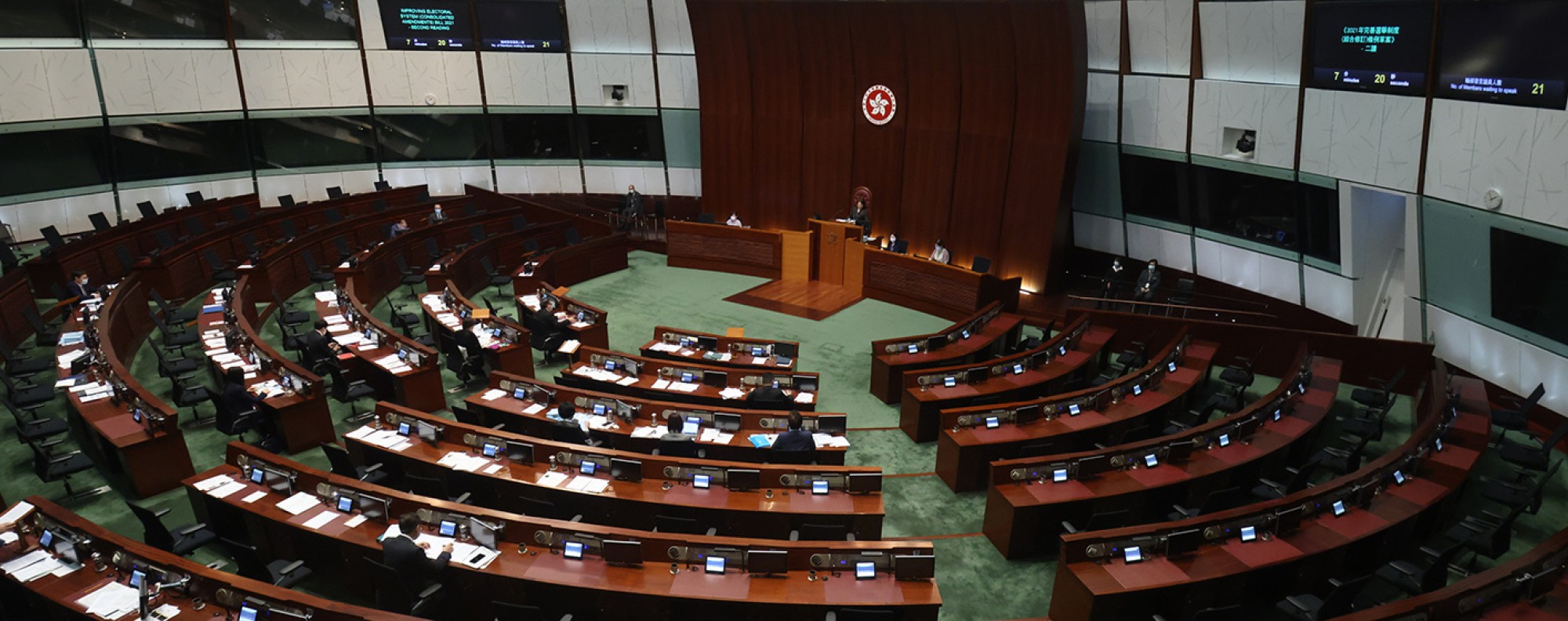
Environment and Ecology Minister Tse Chin-wan assured the public that the government will implement robust oversight mechanisms to prevent abuse of the subsidy schemes. This will involve establishing contracts with oil companies and conducting regular audits to ensure accountability and transparency. These measures are intended to safeguard public funds and ensure that the subsidies reach their intended beneficiaries.
Broader Economic Context and Middle East Tensions
The decision to introduce these fuel subsidies comes amid growing concerns about the potential economic fallout from the escalating conflict in the Middle East. The ongoing instability in the region has already led to increased volatility in global oil markets, pushing up fuel prices and raising fears of further economic disruption. In March, Hong Kong’s leader, John Lee, warned of potential “shocks and volatility” in oil supply due to the Middle East situation. Hong Kong Free Press covered Lee’s earlier statements on the matter.
The Hong Kong government’s intervention is aimed at mitigating the impact of these external pressures on the local economy, particularly for sectors heavily reliant on fuel, such as transportation and logistics. By providing targeted subsidies, the government hopes to maintain the affordability of essential services and support businesses facing increased operating costs. The subsidies are intended to provide temporary relief while the situation in the Middle East remains uncertain.

Key Takeaways
- Diesel Subsidy: A HK$3 per litre subsidy for diesel will be in effect from April 30, 2026, to June 29, 2026, benefiting commercial vehicles and vessels.
- LPG Subsidy: A HK$0.5 per litre subsidy for LPG will be provided to taxis, minibuses, and school buses, rolling out in late May.
- Financial Impact: The LPG subsidy is estimated to cost HK$38.4 million, while the diesel subsidy is projected at HK$1.8 billion, funded through internal budget reallocation.
- Geopolitical Context: The subsidies are a response to rising fuel prices driven by the ongoing conflict in the Middle East and its impact on global oil markets.
Looking ahead, the Hong Kong government will continue to monitor the situation in the Middle East and assess the need for further measures to support the economy. Officials have indicated that they are prepared to respond proactively to any significant changes in the global energy landscape. The next update on the effectiveness of these subsidies and potential adjustments is expected in late June, coinciding with the end of the initial two-month period for the diesel subsidy.
What are your thoughts on these new fuel subsidies? Share your comments below and let us know how you think these measures will impact Hong Kong’s economy and daily life. Don’t forget to share this article with your network to keep others informed.