
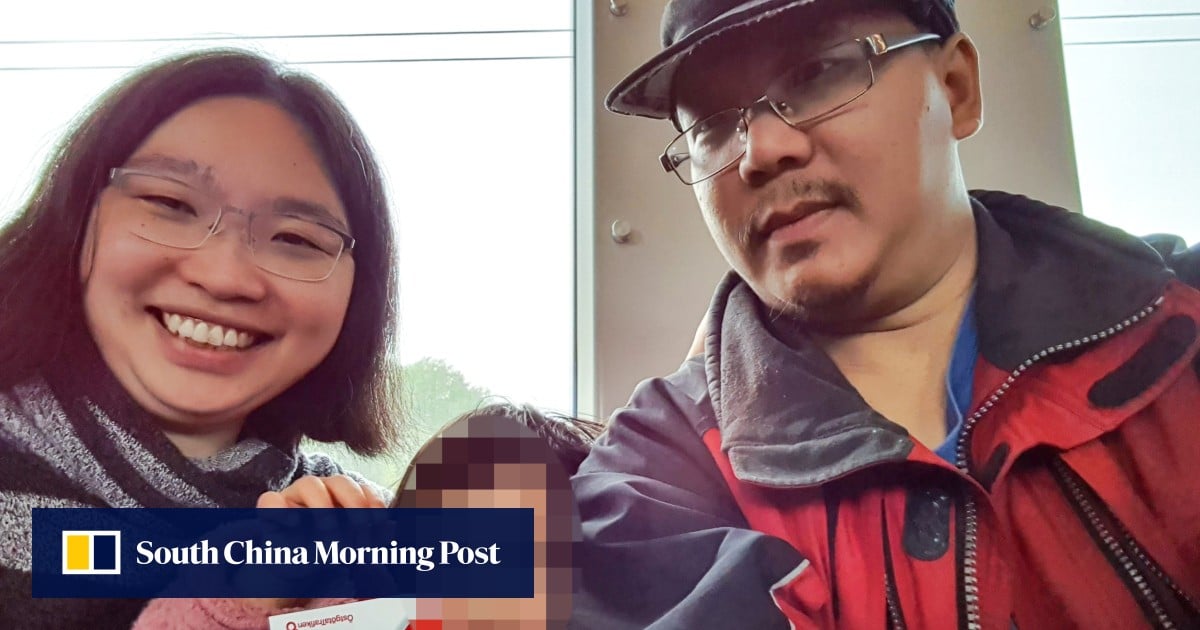
A two-month-old infant in Hong Kong is facing a precarious future, caught in a widening gap between religious convictions and the fundamental necessity of legal recognition. The child currently exists in a state of “legal and medical limbo” after parents reportedly refused to undergo DNA testing following a home birth, a move that has prevented the establishment of the infant’s formal identity.
The situation has ignited a heated debate within the Hong Kong Legislative Council, where lawmakers are now demanding urgent government intervention. At the heart of the controversy is a profound tension: the right to religious freedom versus the state’s obligation to ensure child protection and the provision of essential social services.
The case first gained significant public attention through social media, specifically via a campaign organized under the name “Save Lily.” The movement has sought to highlight the plight of the infant, whose lack of official documentation threatens to bar the child from accessing standard medical care, social benefits, and the basic rights afforded to all residents of the territory.
The Conflict Between Faith and Documentation
According to reports regarding the case, the infant was born at home, a circumstance that necessitates specific biological verification to satisfy legal requirements for birth registration and the assignment of identity. However, the parents have reportedly declined to participate in DNA testing, citing religious grounds for their refusal. While the specific denomination or theological reasoning has not been publicly detailed in official government statements, the refusal has created a significant administrative deadlock.

Without a DNA test to confirm parentage and biological links, the Hong Kong government cannot officially register the birth. This lack of registration means the child lacks a birth certificate, a Hong Kong Identity Card, and a formal legal existence within the city’s administrative framework. This “identity vacuum” poses immediate risks, as medical professionals often require official identification to facilitate certain types of long-term treatment, specialized care, and the integration of the child into the public healthcare system.
The refusal has also sparked discussions regarding the limits of parental autonomy. While religious freedom is a protected principle, legal experts and child welfare advocates often argue that such rights are not absolute when they directly impede the fundamental welfare and legal standing of a minor.
Legislative Response: “Bordering on Child Neglect”
On Monday, Hong Kong legislators expressed grave concerns regarding the implications of the parents’ decision. During discussions regarding the case, members of the legislature suggested that the refusal to provide the necessary biological evidence to secure the child’s legal status deviates significantly from standard parental behavior and societal norms.
Some lawmakers went further, suggesting that the parents’ actions could be characterized as bordering on child neglect. The argument presented by these officials is that by denying the child a legal identity, the parents are effectively stripping the infant of the ability to access the very protections and resources designed to ensure their survival and development.
“Child protection must take priority over individual rights,” several legislators emphasized, signaling a push for the government to exercise its authority to intervene in cases where a child’s fundamental needs are being compromised by parental choice. The legislative focus is now shifting toward whether the government has the mandate to compel testing or to step in through social welfare mechanisms to protect the infant’s interests.
The Implications of “Legal Limbo” for Infants
The concept of “legal limbo” is not merely an administrative inconvenience. for a developing infant, it carries profound long-term consequences. In Hong Kong, a child’s legal identity serves as the gateway to almost every facet of organized society. The absence of this identity creates several critical vulnerabilities:
- Healthcare Access: While emergency medical care is generally available, the lack of official identification can complicate the administration of long-term healthcare, the management of medical records, and the ability to enroll in public health schemes.
- Social Welfare and Subsidies: Financial support, child allowances, and other government-funded social safety nets are contingent upon legal registration. A child without identity cannot be a beneficiary of these programs.
- Education: As the child grows, the lack of a birth certificate will prevent enrollment in local schools, effectively isolating the child from the educational infrastructure of the territory.
- Legal Protection: Without a recognized identity, it becomes significantly more challenging for the state to monitor the child’s wellbeing or to intervene effectively in cases of actual physical or emotional harm.
The “Save Lily” campaign continues to advocate for the child, using digital platforms to pressure authorities to find a solution that respects the complexities of the parents’ beliefs while ensuring the infant is not left behind by the state.
The Path Forward: Government Intervention and Legal Precedent
The Hong Kong government now faces a complex decision-making process. Officials must weigh the legal frameworks governing religious freedom against the statutory duties outlined in child welfare and protection ordinances. The central question remains: at what point does a parent’s exercise of religious belief become a violation of the child’s right to a legal identity and subsequent welfare?

Legal analysts suggest that the government may look to existing precedents involving child protection orders. If the authorities determine that the lack of identity constitutes a risk to the child’s health or development, they may seek court orders to mandate testing or to place the child under the temporary guardianship of social services.
As the case develops, it is expected to serve as a landmark test for how Hong Kong handles the intersection of private religious practice and the public mandate for child welfare. The outcome will likely influence how future cases involving home births and religious objections to medical or legal procedures are managed by the courts and social services.
Next Steps: The government has yet to announce a specific timeline for a formal response to the legislators’ demands. Further updates are expected following upcoming reviews by the Social Welfare Department and potential discussions within the Legislative Council’s relevant panels.
What are your thoughts on the balance between religious freedom and the legal rights of children? We welcome your perspectives in the comments below. Please share this article to keep the conversation going.