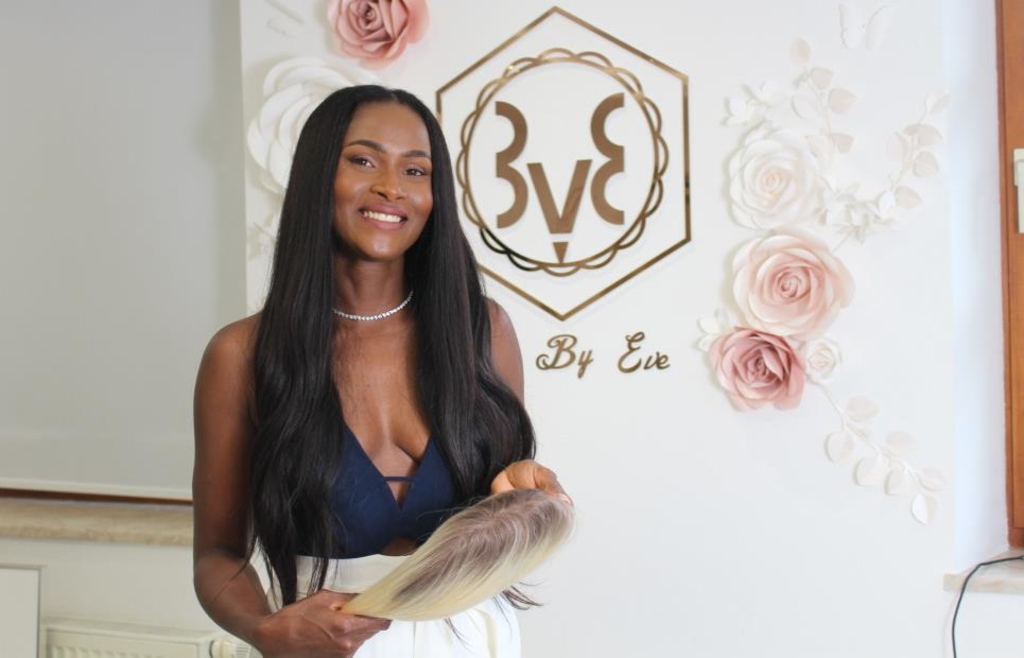
Women experiencing hair loss due to medical treatments or genetic factors are traveling long distances, including from Cyprus, to consult with hair specialist Evelyn Eckert in Bruck. Her practice focuses on specialized hair replacement solutions for women facing hormonal, hereditary, and chemotherapy-induced alopecia.
The demand for specialized hair replacement services has seen a notable rise as more women seek professional assistance for hair thinning and loss. According to local reports regarding the practice in Bruck, clients are increasingly traveling internationally to access customized styling and hairpiece solutions tailored to the specific needs of medical patients.
Hair loss, or alopecia, affects millions of women globally, often carrying significant emotional and psychological weight. As the medical community continues to refine treatments for underlying causes, the role of specialized stylists like Eckert has transitioned from traditional hairdressing to a form of restorative aesthetic care.
Why are women traveling to Bruck for hair loss solutions?
The movement of clients from regions as distant as Cyprus to the Bruck area highlights a growing niche market for high-precision medical hair replacement. Unlike standard salon services, the work performed by specialists like Evelyn Eckert involves addressing hair loss that is often permanent or caused by acute medical crises.
Clients seeking these services typically require more than just a haircut; they require “medical hairpieces” or “systemic hair replacement” that can mimic the natural movement, scalp appearance, and density of human hair. The technical difficulty of integrating these pieces with a client’s remaining natural hair requires a level of expertise that is not widely available in general salons. This scarcity of specialized practitioners drives the necessity for long-distance travel.
Furthermore, the psychological component of hair loss often necessitates a highly empathetic and discreet service environment. For women undergoing chemotherapy or dealing with chronic hormonal imbalances, the salon becomes a space for both physical restoration and emotional support. The ability to provide a natural-looking solution that restores a sense of normalcy is a primary driver for international clientele.
What are the primary medical causes of female hair loss?
To understand why specialized services are in such high demand, it is necessary to examine the medical drivers behind female hair loss. Medical professionals categorize hair loss into several distinct types, each requiring different approaches to management and replacement.
Chemotherapy-induced alopecia
One of the most acute causes of hair loss is chemotherapy. Many cancer treatments work by targeting rapidly dividing cells. Because hair follicle cells are among the fastest-growing cells in the human body, they are often inadvertently targeted by these drugs. This results in hair thinning or complete loss across the scalp. While hair often regrows after treatment concludes, the texture and density may change, leading many women to seek professional hairpieces during and after their recovery.
Androgenetic alopecia (Hereditary hair loss)
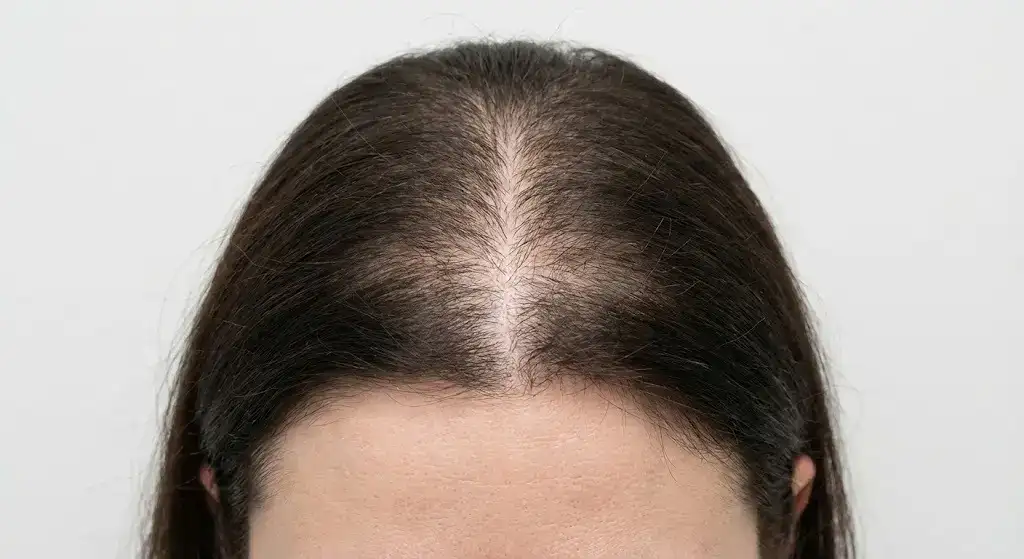
Often referred to as pattern hair loss, androgenetic alopecia is the most common form of permanent hair loss. In women, this typically manifests as a general thinning across the top of the scalp rather than a receding hairline. This condition is driven by genetics and the sensitivity of hair follicles to hormones like dihydrotestosterone (DHT). Because this is a progressive condition, women often seek stylists who can provide gradual, natural-looking transitions as their hair density changes over time.

Hormonal imbalances and Telogen Effluvium
Hormonal shifts—such as those occurring during menopause, pregnancy, or due to conditions like Polycystic Ovary Syndrome (PCOS)—can significantly impact hair cycles. Additionally, a condition known as telogen effluvium can cause sudden, widespread shedding. This is often triggered by physical or emotional stress, severe illness, or rapid nutritional changes. According to medical literature, such as information provided by the Mayo Clinic, these hormonal and physiological stressors can push a large number of hair follicles into the resting phase simultaneously.
The psychological impact of hair loss on women
Hair loss is rarely just a cosmetic issue; for many women, it is a fundamental challenge to their identity and self-esteem. The loss of hair can be a visible marker of illness, aging, or hormonal dysfunction, which can lead to increased rates of anxiety and social withdrawal.
Psychological studies have consistently shown that hair loss can impact a woman’s sense of femininity and control. When hair loss is caused by a life-altering diagnosis like cancer, the loss of hair can feel like an additional, uncontrollable symptom of the disease itself. This is why the “human element” of hair replacement is so critical. Stylists in this field do not just manage hair; they manage the intersection of medical reality and personal identity.
By providing solutions that look indistinguishable from natural hair, specialists help patients reclaim a sense of privacy and confidence. The ability to walk into a public space without the immediate visibility of hair loss allows many women to focus more on their health and recovery rather than their appearance.
How specialized hair replacement works
Modern hair replacement technology has advanced significantly, moving far beyond the heavy, unnatural wigs of previous decades. Today, specialists utilize several different methods to provide seamless results.
- Lace Front Systems: These use a fine, sheer mesh that sits against the skin, creating the illusion that the hair is growing directly from the scalp. This is particularly effective for women with receding hairlines.
- Monofilament Bases: These provide a realistic look for the parting of the hair, mimicking the appearance of a natural scalp.
- Customized Hairpieces: Unlike “off-the-shelf” wigs, custom pieces are matched to the client’s specific hair color, texture, and density, ensuring a perfect blend with their existing hair.
- Integration Techniques: Stylists use advanced cutting and coloring methods to “blend” the hairpiece with the client’s natural hair, preventing the “wiggy” look that many women fear.
The expertise required to perform these integrations involves a deep understanding of hair physics, including how different hair types respond to gravity, moisture, and movement. This technical complexity is why clients are willing to travel to specialized hubs like Bruck to ensure they receive a result that is both durable and aesthetically convincing.
Comparison of Hair Loss Types and Management
| Cause of Hair Loss | Primary Driver | Nature of Loss | Management Approach |
|---|---|---|---|
| Chemotherapy | Medical treatment (cytotoxic drugs) | Sudden, often total loss | Temporary hairpieces or medical wigs |
| Androgenetic Alopecia | Genetics and DHT hormones | Gradual, progressive thinning | Customized integration and hairpieces |
| Hormonal Shifts | Menopause, PCOS, Pregnancy | Variable thinning or shedding | Scalp care and density-matching pieces |
| Telogen Effluvium | Stress, illness, or nutrition | Sudden, widespread shedding | Nutritional support and temporary coverage |
Note: Management approaches should always be discussed with a medical professional to address the underlying cause.
As medical advancements continue to evolve, the field of hair restoration will likely see even greater integration between medical dermatology and specialized aesthetic styling. For women facing the challenges of hair loss, the availability of specialized practitioners remains a vital component of holistic care.
Further updates regarding medical advancements in alopecia treatments are expected to be released in upcoming dermatological symposiums later this year. For those seeking immediate assistance, consulting with a primary care physician or a dermatologist is the recommended first step in diagnosing the root cause of hair loss.
Do you or someone you know have experience with specialized hair replacement services? Share your thoughts or questions in the comments below, and please share this article to help others find the support they need.
Related reading