
Grassroots labor unions in Italy have confirmed a railway strike scheduled to run from 3:00 a.m. on June 11 until 2:00 a.m. on June 12. While major confederal labor organizations have suspended their planned industrial action, smaller grassroots unions intend to proceed, leaving the national rail network facing significant operational risks on Thursday.
The discrepancy between the major unions and the grassroots organizations means that travelers cannot assume service will be normal. While the suspension by larger bodies like the CGIL, CISL, and UIL might suggest a resolution to labor disputes, the decision by grassroots groups to maintain their strike action ensures that disruptions to Trenitalia and RFI (Rete Ferroviaria Italiana) services remain a high probability.
Why are grassroots unions proceeding despite confederal suspensions?
The split in labor action highlights a long-standing tension within the Italian transport sector. Confederal unions, which represent the largest share of the workforce, often engage in centralized negotiations with the government and transport operators. When these negotiations reach a tentative agreement or a ceasefire, these major bodies frequently suspend strikes to allow for further dialogue.
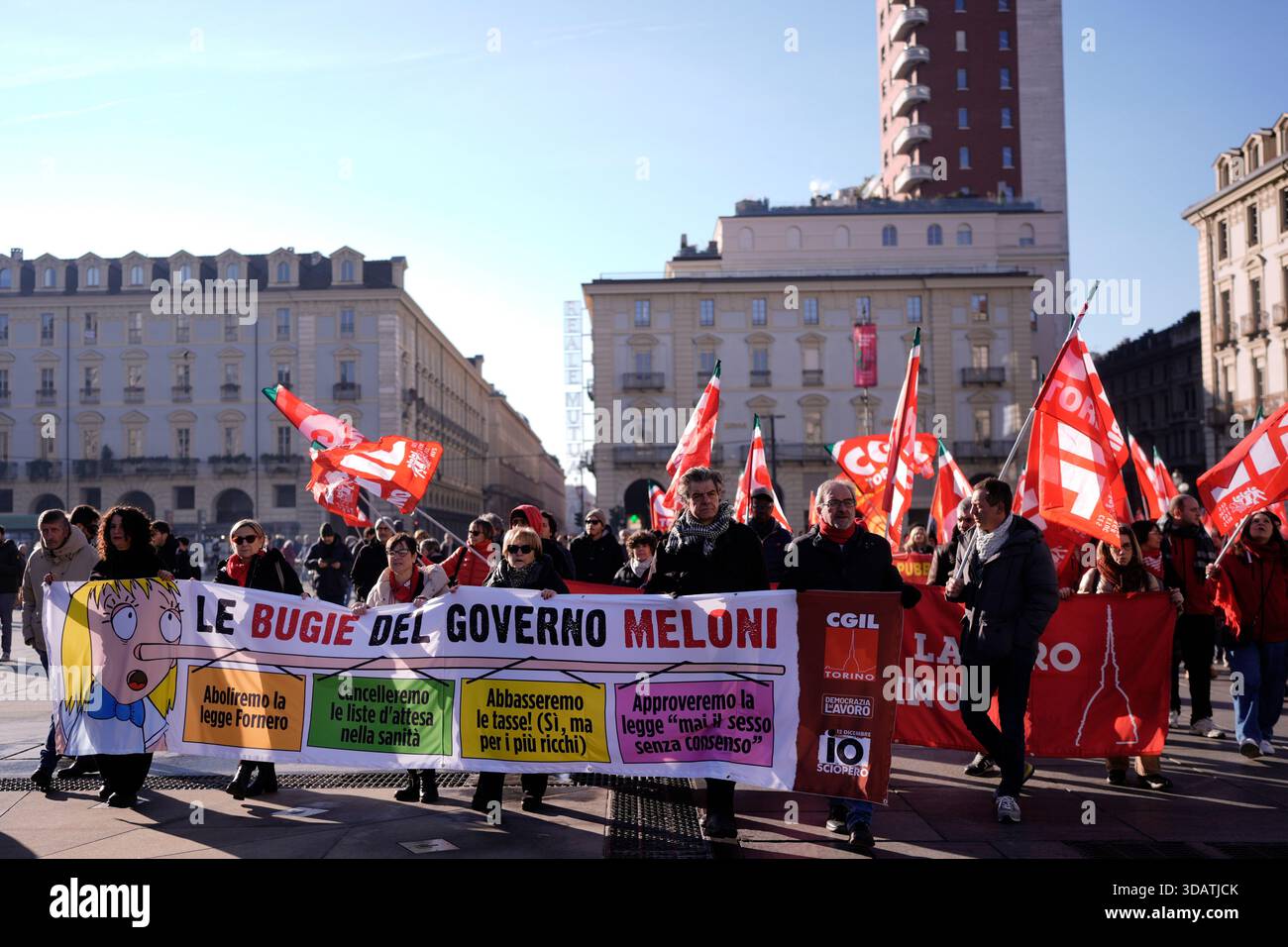
Grassroots unions, however, often operate outside these centralized frameworks. These organizations frequently argue that the concessions offered to the larger confederations do not address the specific, immediate demands of frontline workers, such as wage adjustments relative to inflation or specific shifts in working conditions. Because these grassroots groups are not bound by the decisions of the larger confederations, their strike remains legally valid and active.
This fragmentation creates a “partial strike” scenario. For commuters and business travelers, this is often more difficult to navigate than a total strike, as the level of service becomes unpredictable. Some lines may operate at full capacity, while others may see total cancellations depending on which specific union members are participating in the walkout.
What is the expected timeline for the rail disruptions?
Based on the announcements from the organizing unions, the industrial action is not a single block of time but a window that spans two calendar days. Travelers should prepare for service instability starting in the early hours of Thursday morning.
| Time Period | Status | Expected Impact |
|---|---|---|
| June 11, 03:00 – 23:59 | Confirmed Strike | High disruption to regional and long-distance lines |
| June 12, 00:00 – 02:00 | Confirmed Strike | Moderate disruption to overnight and early morning services |
How will the strike affect specific rail services?
The impact of the strike will likely vary depending on the type of service and the operator. In Italy, the rail landscape is divided between the infrastructure manager, RFI, and the primary service providers, most notably Trenitalia.
High-Speed and Long-Distance Services: While high-speed lines such as the Frecciarossa often have more rigorous staffing requirements and different union coverage, they are not immune to grassroots action. Disruptions here typically manifest as delays or the sudden cancellation of specific departures.
Regional and Commuter Rail: These services are often the most heavily affected by grassroots strikes. Regional lines, which serve the bulk of daily commuters, rely on a workforce that is highly active in grassroots organizations. Travelers using regional trains should anticipate significant cancellations and a reduced frequency of service throughout the day on Thursday.
Infrastructure Management: Because the strike involves workers who maintain the tracks and signaling systems (managed by RFI), there is a secondary risk of technical delays. Even if a train has a full crew, any disruption to the signaling or track maintenance schedule can cause a ripple effect across the entire national network.
What should travelers do to prepare?
To minimize the impact of the June 11 strike, travelers should adopt a proactive approach to trip planning. Relying on real-time information is essential, as schedules can change with little notice during industrial actions.
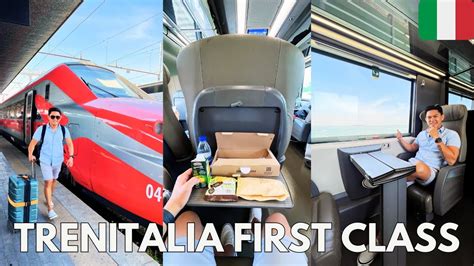
- Verify schedules before departing: Do not assume a scheduled departure will run. Check the official Trenitalia or RFI websites or mobile apps at least two hours before your intended travel time.
- Monitor official service advisories: National transport authorities often issue specific lists of “guaranteed” services—trains that must run to ensure essential mobility. Identifying these can help in planning alternative routes.
- Check for alternative transport: In areas where rail service is heavily impacted, consider bus alternatives or carpooling, though these may also face increased congestion.
- Review refund and rescheduling policies: If a train is canceled due to a strike, passengers are typically entitled to specific protections under Italian transport regulations. Familiarize yourself with the terms for ticket rebooking or partial refunds before your journey.
The economic implications of such strikes extend beyond individual inconvenience. For the broader Italian economy, frequent disruptions in the transport sector can lead to lost productivity and increased logistical costs for businesses that rely on timely movement of goods and personnel.
The next scheduled checkpoint for travelers will be the release of the official “guaranteed services” list by the transport operators, which typically occurs shortly before the strike commencement. We will continue to monitor official updates from the Ministry of Infrastructure and Transport.
Have you been affected by rail disruptions in Italy? Share your experience in the comments below and share this article to help others plan their journeys.
Related reading