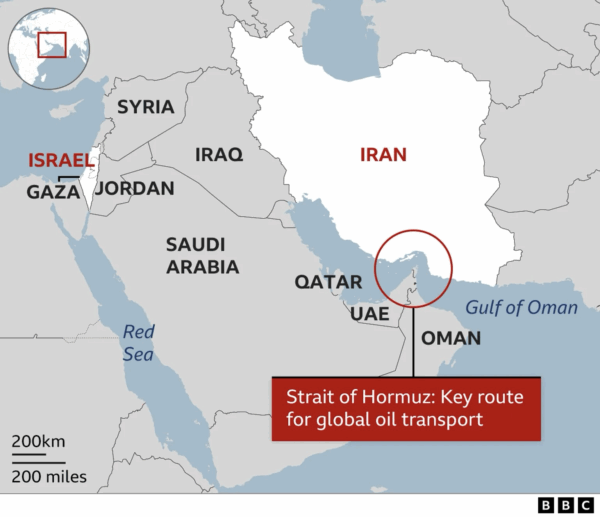
Global markets experienced a volatile session late Tuesday and early Wednesday, with U.S. Stocks and gold prices surging while oil prices declined sharply. The shifts followed a day of mixed signals from former President Donald Trump regarding the U.S. Military presence in the Middle East and the security of the crucial Strait of Hormuz, a waterway vital for global oil transport. Amidst ongoing tensions with Iran, a recent development suggests a potential easing of concerns: reports indicate Iran is signaling a willingness to allow passage for non-aggressive vessels through the strait.
The initial turbulence stemmed from Trump’s comments criticizing allies for not contributing more to efforts aimed at pressuring Iran to reopen the Strait of Hormuz, particularly in the context of the ongoing conflict. He suggested that other nations should “fend for themselves,” raising fears of a complete U.S. Withdrawal from the region. However, he later clarified, stating he wasn’t ready “quite yet” to remove U.S. Assets, but emphasized that allies needed to “come in and take care of it.” This back-and-forth created uncertainty in the markets, prompting investors to reassess risk.
Trump’s Shifting Stance and Market Reactions
Trump’s statements, initially delivered to CBS News and previously aired on Truth Social, reiterated his frustration with the lack of support from countries like the United Kingdom. Despite the ongoing war with Iran and reported Iranian strikes on ships and infrastructure in the Persian Gulf, Trump downplayed the threat to the Strait of Hormuz, claiming “there’s no real threat.” He even suggested that nations reliant on oil from the region should “come up and grab it” if they faced difficulties, a statement that drew criticism for its dismissive tone and potential to escalate tensions. CBS News reported on these comments Tuesday morning.
The market reaction was immediate. As Trump’s initial comments circulated, gold prices, often seen as a safe-haven asset, rose sharply as investors sought refuge from potential instability. Simultaneously, oil prices dipped, reflecting concerns about a potential disruption to supply. However, as Trump walked back some of his more assertive statements, and reports emerged of Iran signaling a more conciliatory approach to shipping through the Strait of Hormuz, the situation began to stabilize. The national average gas price surpassed $4 a gallon on Tuesday, the highest in over three years, according to AAA, adding to economic anxieties. Trump predicted prices would fall “when we leave” after the war concludes, while White House Press Secretary Karoline Leavitt stated gas prices would “plummet” once “Operation Epic Fury” is complete.
Iran Signals Willingness to Allow Passage Through Strait of Hormuz
In a significant development, reports indicate Iran is signaling a willingness to allow passage for non-aggressive vessels through the Strait of Hormuz. According to The Paper, Iran has stated that ships not posing a threat will be permitted to transit the strait after coordination. This represents a potential de-escalation of tensions and could alleviate concerns about disruptions to global oil supplies. This follows earlier, more hardline statements from advisors to Iran’s Supreme Leader, who warned that the Strait of Hormuz would remain closed to enemies of Iran. Guancha.cn reported on this earlier statement.
Further bolstering this shift, Iran and Oman are reportedly drafting an agreement to “monitor” shipping through the Strait of Hormuz, according to Sina Finance. This collaborative effort suggests a move towards a more regulated and potentially secure passage for international vessels. The details of this agreement remain unclear, but it indicates a willingness to engage in diplomatic solutions to ensure the free flow of commerce through the vital waterway.
Potential for RMB Payments for Oil Tankers
Adding another layer of complexity, reports have surfaced suggesting Iran may require oil tankers to pay in Chinese yuan (RMB) for passage through the Strait of Hormuz. Phoenix Finance details this potential development, framing it as a possible “toll” for access. While not officially confirmed, this move would align with Iran’s broader efforts to reduce its reliance on the U.S. Dollar and strengthen economic ties with China. The implications of such a policy could be significant, potentially impacting global oil pricing and trade dynamics.

Geopolitical Implications and Global Oil Supply
The Strait of Hormuz is one of the world’s most strategically key chokepoints, responsible for approximately 20% of global oil supply. Any disruption to traffic through the strait could have severe consequences for the global economy, leading to price spikes and potential shortages. The current situation highlights the fragility of global energy security and the interconnectedness of geopolitical events and economic stability.
The U.S. Military presence in the region has long been aimed at ensuring the free flow of oil through the Strait of Hormuz. Trump’s questioning of this commitment, coupled with his criticism of allies, has raised concerns about the future of U.S. Involvement in the Middle East. The recent developments, including Iran’s signals of willingness to allow passage for non-aggressive vessels, suggest a potential shift in the dynamics of the conflict, but the situation remains highly volatile and unpredictable.
Recent Developments and Trump’s “Present”
On March 26, 2026, President Trump revealed what he termed Iran’s “present” – the passage of 10 oil tankers through the Strait of Hormuz. Politico reported on this announcement, noting it occurred during the first Cabinet meeting since the start of the conflict with Iran. This development, while seemingly positive, was presented by Trump in a somewhat unconventional manner, highlighting his continued focus on economic pressure and his expectation that other nations should bear the burden of securing the region.
The ongoing conflict between the U.S. And Iran has its roots in a complex history of tensions, including Iran’s nuclear program and its regional influence. The recent escalation has been fueled by Iranian strikes on ships and infrastructure in the Persian Gulf, as well as the U.S.-Israeli war against Iran. The situation is further complicated by the involvement of other regional actors, including Saudi Arabia and Yemen.
The international community is closely monitoring the situation, with calls for de-escalation and a return to diplomatic solutions. However, the path forward remains uncertain, and the risk of further escalation remains high. The coming days and weeks will be crucial in determining whether the current tensions can be contained or whether the conflict will escalate further, potentially leading to a wider regional war.
As of Wednesday, April 2, 2026, the situation remains fluid. The markets are cautiously optimistic following Iran’s signals, but concerns remain about the potential for further disruptions. The next key development to watch will be the finalization and implementation of the agreement between Iran and Oman regarding the monitoring of shipping through the Strait of Hormuz. Further clarity on the potential requirement for RMB payments for oil tankers will also be crucial in assessing the long-term implications of these developments.
What are your thoughts on the evolving situation in the Strait of Hormuz? Share your insights and perspectives in the comments below.
Worth a look