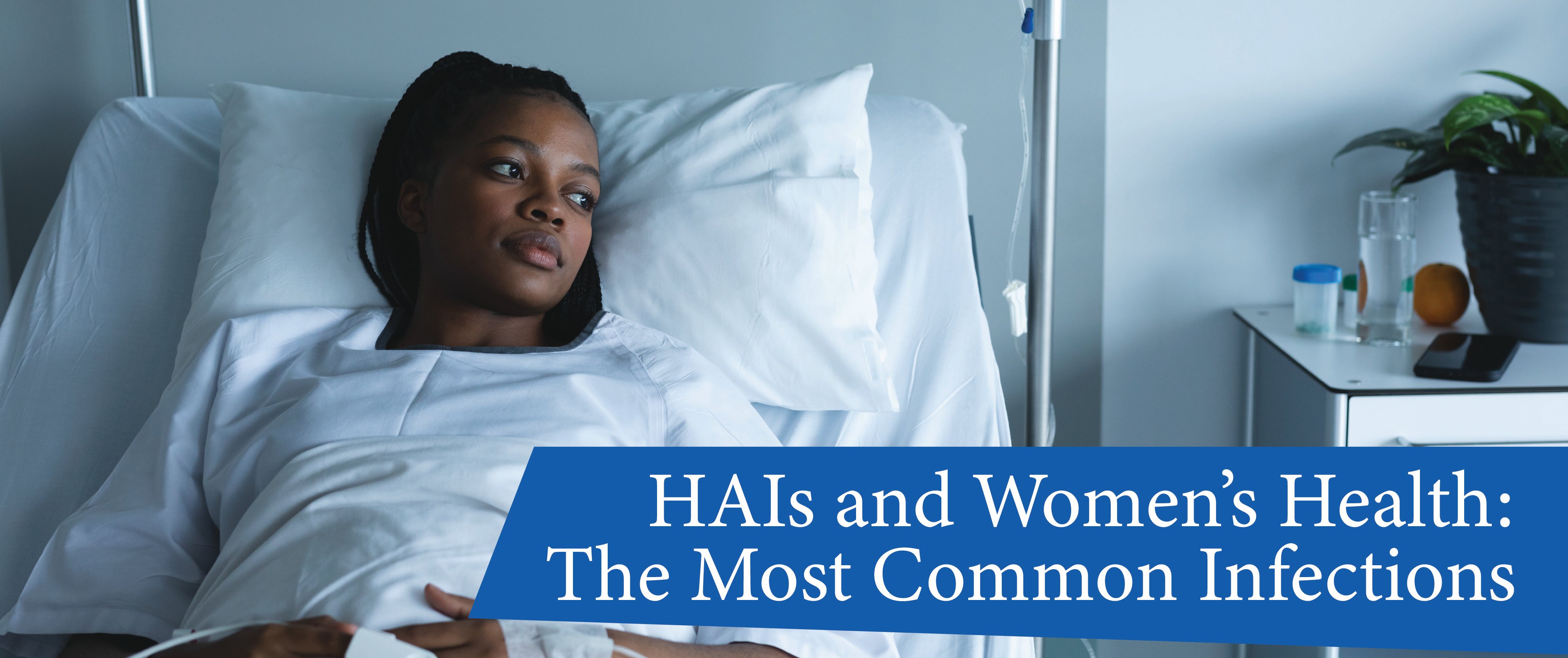
Hospital-acquired infections (HAIs), also known as healthcare-associated infections, remain a persistent challenge in medical settings worldwide, affecting millions of patients each year. While these infections can occur in anyone receiving medical care, research indicates that certain types disproportionately impact women due to a combination of biological, anatomical, and procedural factors. Understanding these gender-specific risks is critical for improving patient safety and tailoring prevention strategies in healthcare environments.
As Editor of the Health section at World Today Journal, I’ve reviewed the latest epidemiological data and clinical guidelines to provide a clear, evidence-based overview of the most common HAIs affecting women. This article draws exclusively from verified sources including the World Health Organization (WHO), the U.S. Centers for Disease Control and Prevention (CDC), and peer-reviewed studies published in reputable medical journals. Our goal is to inform patients, caregivers, and healthcare professionals about preventable risks without resorting to speculation or unverified claims.
One of the most frequently reported HAIs in women is urinary tract infection (UTI), particularly catheter-associated urinary tract infection (CAUTI). According to the CDC, UTIs account for more than 30% of all HAIs reported in acute care hospitals, and women are at significantly higher risk due to their shorter urethra, which allows bacteria easier access to the bladder. The use of indwelling urinary catheters — common during hospitalization, surgery, or for patients with mobility issues — further increases this risk. A 2022 study published in Infection Control & Hospital Epidemiology found that women had nearly twice the rate of CAUTI compared to men in similar clinical settings, highlighting the demand for stricter catheter protocols and earlier removal when no longer medically necessary.
Surgical site infections (SSIs) following gynecological procedures also represent a significant concern. Procedures such as hysterectomies, cesarean sections, and pelvic organ prolapse repairs carry inherent infection risks, especially when performed in contaminated or emergency settings. The WHO’s global guidelines on SSI prevention note that endometrial contamination during hysterectomy or prolonged operative time can elevate infection rates. Data from the CDC’s National Healthcare Safety Network (NHSN) shows that SSIs occur in approximately 5% of clean gynecological surgeries, with higher rates observed in obese patients, those with diabetes, or individuals undergoing prolonged operations — factors that may disproportionately affect certain populations of women.
Another area of concern involves infections related to intravascular devices, such as central line-associated bloodstream infections (CLABSIs). While CLABSIs affect all patients with central venous catheters, certain subgroups of women may face elevated risk due to factors like longer catheter dwell times in oncology or critical care settings. A 2023 analysis of NHSN data revealed that female patients in intensive care units had a slightly higher incidence of CLABSI compared to male counterparts, particularly when catheters remained in place for more than five days. The study emphasized that adherence to aseptic insertion techniques and daily assessment of catheter necessity could reduce these infections by up to 60%.
Ventilator-associated pneumonia (VAP) is less commonly reported in women than men partly due to lower rates of mechanical ventilation use among female patients. However, when women do require prolonged ventilation — such as after major thoracic surgery or in severe respiratory illness — they are not immune to VAP. Risk factors include impaired gag reflex, supine positioning, and inadequate oral hygiene. Preventive bundles that include head-of-bed elevation, daily sedation vacations, and oral care with chlorhexidine have been shown to lower VAP incidence across genders, according to guidelines from the Society for Healthcare Epidemiology of America (SHEA).
Clostridioides difficile infection (CDI), though not exclusive to any gender, shows nuanced patterns in healthcare settings. Some studies suggest that women may be more susceptible to recurrent CDI due to differences in gut microbiota composition and higher rates of antibiotic exposure, particularly for urinary or gynecological infections. The CDC estimates that nearly 500,000 CDI cases occur annually in the United States, with about 1 in 6 patients experiencing a recurrence. Women over 65 are especially vulnerable, highlighting the importance of antibiotic stewardship and microbiome-preserving strategies in female patients.
Prevention remains the cornerstone of reducing HAIs in women. Evidence-based practices such as proper hand hygiene, timely removal of unnecessary catheters, preoperative skin antisepsis, and judicious antibiotic use have consistently demonstrated effectiveness. The WHO’s “Clean Care is Safer Care” initiative underscores that up to 70% of certain HAIs can be prevented through strict adherence to infection control protocols. Healthcare institutions are encouraged to monitor HAI rates by gender and procedure type to identify disparities and implement targeted interventions.
For patients, being informed is a powerful tool. Women undergoing hospitalization should feel empowered to inquire about the necessity of medical devices, the duration of catheter use, and the hospital’s infection prevention policies. Resources such as the CDC’s Patient Safety website and WHO’s guidelines for the public offer accessible information on how to reduce personal risk during healthcare encounters.
As research continues to evolve, future directions include exploring gender-specific biomarkers for infection risk, refining antibiotic prophylaxis guidelines for gynecological surgery, and expanding surveillance systems to capture more granular data on HAIs in outpatient and long-term care settings — areas where women may also face unique vulnerabilities.
The next official update on national HAI surveillance data is expected from the CDC’s NHSN in early 2025, which will provide the most recent benchmark figures for comparison across healthcare facilities. Until then, maintaining vigilance in infection prevention remains a shared responsibility between providers and patients.
If you found this information helpful, please consider sharing it with others who may benefit. We welcome thoughtful comments and questions below to foster ongoing dialogue about women’s health and patient safety.