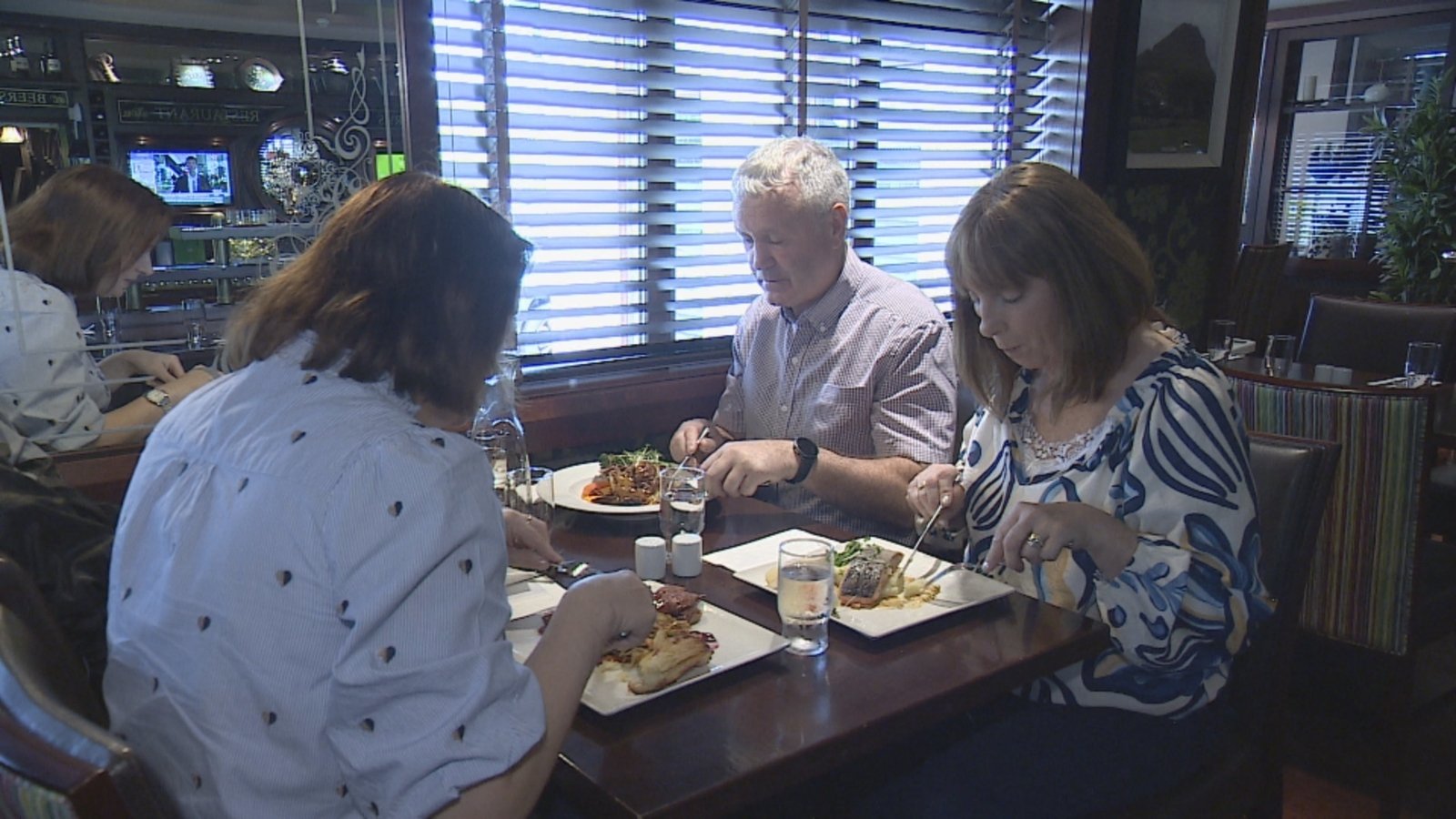
Northwest Hospitality Faces a Profitability Crisis: Navigating Rising Costs and VAT Concerns
The hospitality sector in Ireland’s northwest is grappling wiht a stark reality: increasing revenue isn’t translating to increased profits. Businesses are reporting a squeeze on margins driven by a confluence of rising costs, prompting urgent calls for government intervention and a re-evaluation of support mechanisms.
The Rising Cost of Doing Business
For operators like Garry and Mairead Anderson, owners of a popular seafood shack and restaurant in Killybegs, the situation is becoming unsustainable. Despite a boost in turnover this year, their bottom line is shrinking. Several factors are contributing to this challenging habitat:
* VAT Rates: Currently at 13.5%, the VAT rate is a major pain point for many.
* PRSI Increases: Recent budget adjustments have added to operational expenses.
* minimum Wage Hikes: while beneficial for employees, increased labor costs impact profitability.
* Energy Costs: Fluctuating energy prices continue to strain budgets.
* Food Costs: Inflation in the food supply chain is directly impacting menu pricing and margins.
“It’s almost impractical to make a profit with increased costs in hospitality at the moment,” Anderson explains. Pre-COVID, a restaurant with a €1 million turnover could anticipate a net profit of 7.2 – 7.8%. Now,those same businesses are struggling to achieve a 1.9 – 2% margin.
The VAT Debate: A 9% Solution?
A key promise in the Program for Government is a reduction in the hospitality VAT rate from 13.5% to 9%. Though, the financial implications are significant. The Department of finance estimates a full-year cost of €867.7 million, broken down as follows:
* Accommodation: €134.9 million
* Food and Catering: €674.6 million
* Entertainment: €19.8 million
* Hairdressing: €38.4 million
While many see a reduced VAT rate as a lifeline, others question its effectiveness. Mattie Clancy,owner of Henry’s Bar and Restaurant in Co. Sligo, believes a different approach is needed. He argues that a 9% VAT rate isn’t the right fit for small, rural establishments.
Clancy advocates for a grant-based system,modeled on previous support payments. He believes this woudl be more obvious, targeted, and effective in preserving local jobs. “I feel a grant based on last year’s grant payments should be provided.It’s more transparent, targeted and it keeps local jobs,” he stated.
Will Savings Reach the Consumer?
Fintan Kennedy,a lecturer in Business at ATU Sligo,raises a critical point: even with a VAT reduction,there’s no guarantee those savings will be passed on to consumers. There’s an expectation, he notes, that any policy changes will be absorbed by businesses to offset rising costs.
Ultimately, the goal isn’t just to keep hospitality businesses afloat, but to stimulate consumer spending. A reduction in VAT, if implemented, is intended to encourage spending and maximize the value of each euro.
Navigating the Future
The hospitality sector in the northwest faces a precarious future. The combination of rising costs and complex economic factors demands a nuanced and effective response. Whether through VAT reductions, targeted grants, or other innovative solutions, supporting thes businesses is crucial for preserving local economies and the vibrant tourism industry they underpin. You, as a consumer, can also play a role by supporting local establishments and understanding the challenges they face.