
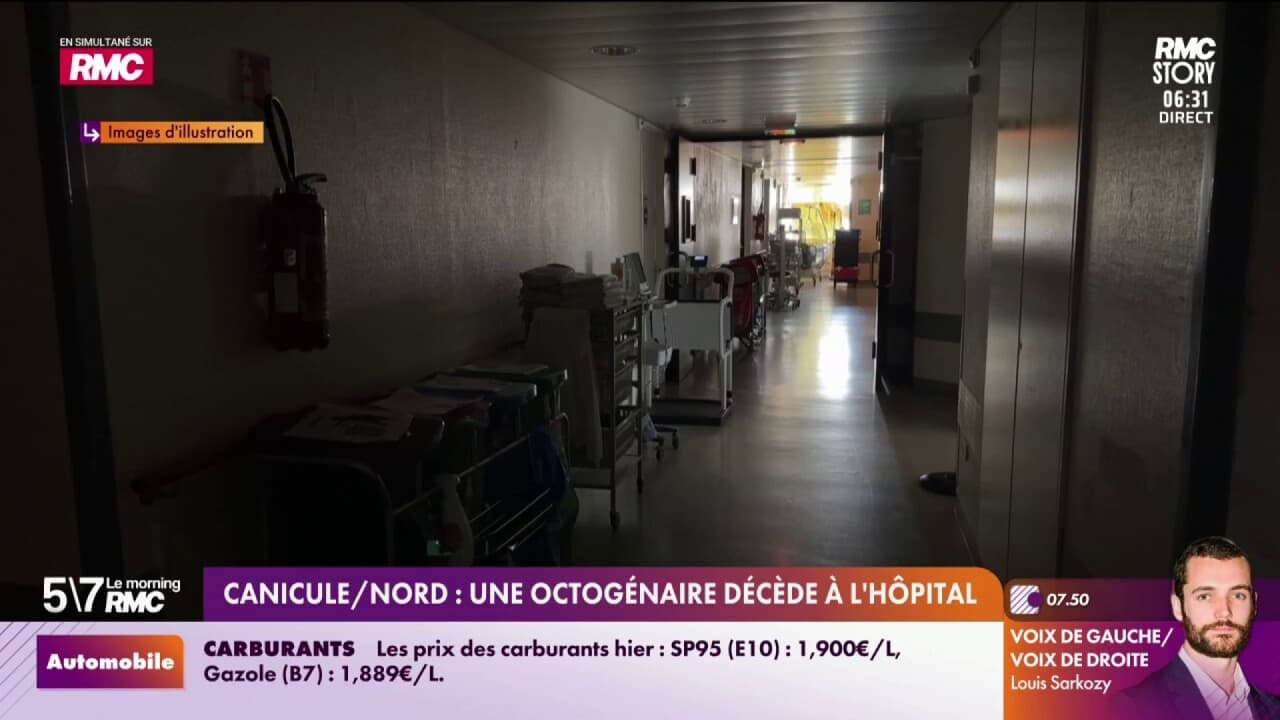
French health authorities are intensifying hospital preparations as extreme heat warnings return to the country, following the tragic death of an elderly patient in a medical facility during a recent heatwave. The French government has confirmed a large-scale procurement of air conditioning units specifically for hospital environments to mitigate the risks of thermal stress among vulnerable populations, as reported by RMC.
As a physician, I recognize that the physiological vulnerability of elderly patients to high ambient temperatures is a critical public health concern. When external temperatures climb, the body’s ability to thermoregulate—primarily through vasodilation and perspiration—is often compromised in geriatric patients due to underlying chronic conditions, reduced thirst perception, or medication side effects. The recent loss of life underscores the necessity for hospital infrastructure that can maintain stable, safe indoor climates regardless of external weather extremes.
Infrastructure Upgrades and Heatwave Preparedness
The decision to distribute new cooling equipment to healthcare facilities across France is a proactive measure intended to safeguard both patients and medical staff. According to information released by the French government, these resources are being deployed ahead of a predicted temperature surge expected to impact the region next week. The initiative aims to address specific gaps in climate control within older hospital wings that may lack centralized HVAC systems capable of handling prolonged, intense heatwaves.

This logistical effort is part of a broader national strategy to reinforce the “Plan Canicule,” or heatwave plan, which was established following the historic heatwave of 2003. According to Santé Publique France, the national public health agency, these plans are designed to trigger specific alerts and resource mobilization when temperatures reach localized danger thresholds. The current distribution of cooling units is a direct operational response to those established protocols, ensuring that clinical environments remain within safe, recommended temperature ranges to prevent heat-related exhaustion or stroke.
Clinical Risks of Extreme Heat for the Elderly
From a clinical perspective, the impact of heat on the human body is multifaceted. Elderly individuals are particularly susceptible to dehydration, which can lead to acute kidney injury and electrolyte imbalances. Furthermore, high indoor temperatures can exacerbate respiratory and cardiovascular conditions, placing an immense burden on emergency departments.
When a facility is unable to maintain an appropriate thermal environment, the risk of “iatrogenic heat stress”—where the hospital environment itself contributes to patient decline—increases significantly. The government’s procurement strategy is designed to mitigate this risk by focusing on high-dependency wards where patients are least mobile and most reliant on external environmental control.
Next Steps for Public Health Monitoring
The effectiveness of these measures will be monitored closely by regional health agencies (ARS) as temperatures rise throughout the coming week. The French Ministry of Health is expected to provide updated guidance for caregivers and families as the meteorological situation evolves. Citizens are encouraged to monitor official communications from Météo-France regarding local weather alerts and to follow guidelines for hydration and cooling, particularly for those in high-risk categories.
We will continue to provide updates on this situation as more data becomes available from official health bulletins. Please share your thoughts in the comments section below or join the conversation on our social media channels to help spread awareness about local heat safety resources.