
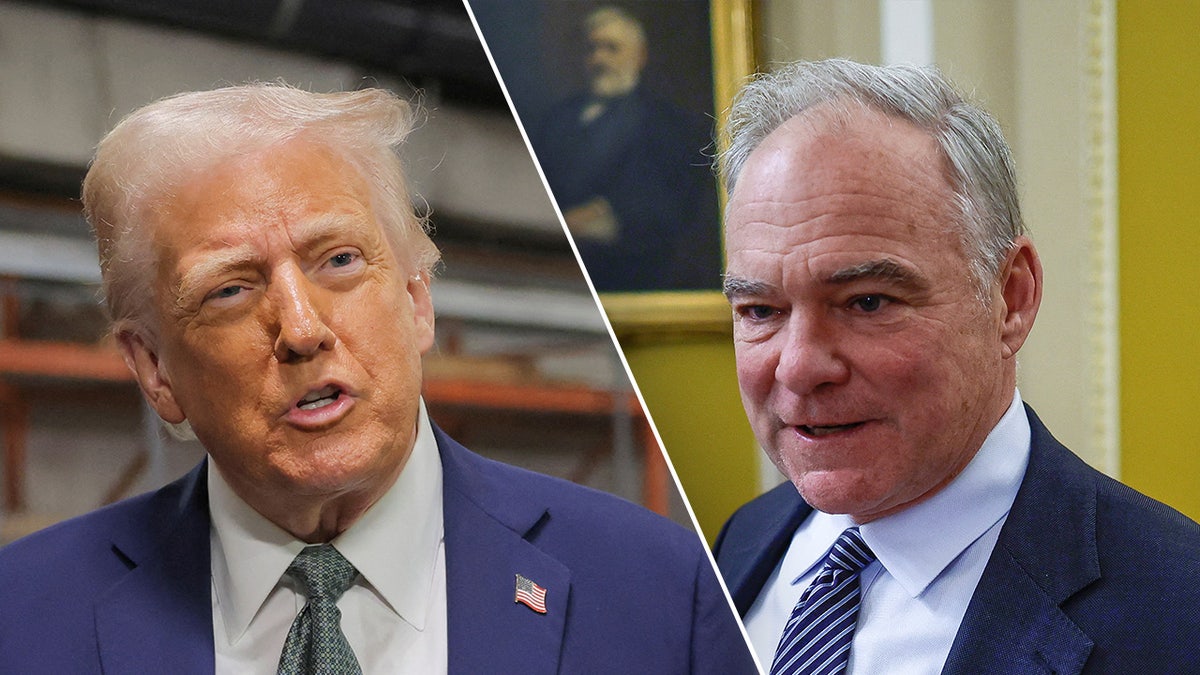
House Republicans blocked a Democratic effort to limit President Donald Trump’s authority to conduct military operations against Iran, delivering a narrow victory to the White House on war powers. The resolution, which would have required the president to withdraw U.S. Forces from hostilities in Iran without congressional authorization, failed in a 212 to 219 vote on April 15, 2026. Four Democrats joined nearly all Republicans in opposing the measure, according to multiple news reports.
The vote came just a day after a similar effort failed in the Senate, where Republicans again rejected a war powers resolution by a 47-52 margin. That marked the fourth time this year that Senate Republicans have blocked attempts to constrain the president’s ability to utilize military force against Iran without prior congressional approval. The House resolution was introduced by Rep. Thomas Massie of Kentucky, one of the few Republican critics of the administration’s military actions in the Middle East.
House Speaker Mike Johnson, a Louisiana Republican, defended the outcome, stating that the resolution “plays right into the hands of the enemy” and warning that limiting the president’s authority would be “a very serious misstep by Congress.” Johnson emphasized that the U.S. Is not engaged in a full-scale war, describing the operations against Iran as “limited in scope and duration” with a “clear mission” that is “nearly accomplished by all estimates.”
Massie, who introduced the resolution, speculated that many lawmakers avoid taking a recorded vote on the issue due to political concerns. “They don’t want their name associated with this when it doesn’t turn out well,” he said during floor debate. “But Congress cannot be bothered with its constitutional duty because for many in this chamber, it’s easier to simply allow someone else’s sons and daughters to be sent to combat without their vote.”
The failed vote reflects ongoing tensions between Congress and the executive branch over the constitutional balance of war powers. Under the War Powers Resolution of 1973, the president must consult with Congress before introducing U.S. Forces into hostilities, though the law has been a subject of debate and varying interpretations since its enactment. Democrats have argued that Trump’s military actions against Iran constitute an unauthorized war requiring congressional approval, while Republicans maintain that the president has the authority to act in defense of national security interests.
The conflict with Iran escalated in June 2025 when the U.S. Bombed three of Iran’s nuclear facilities, an action taken without prior congressional authorization. Since then, lawmakers have periodically sought to reassert congressional oversight through war powers resolutions, though none have succeeded in passing both chambers. The April 15 House vote marked the latest in a series of setbacks for those seeking to curb the president’s unilateral military authority.
Senate Minority Leader Chuck Schumer of New York criticized the Senate’s rejection of the war powers resolution, noting that the president took the country to war without a vote of support from Congress. Schumer said lawmakers are increasingly questioning the duration, cost, and justification of the military campaign, even as some Republicans express openness to future votes on the matter if the conflict continues.
Despite the failed vote, some Republican senators have indicated they are anxious for the conflict to complete and are monitoring the situation for potential future congressional action. The outcome of the House vote was uncertain until the final tally, reflecting broader divisions within the party over the appropriate balance between executive authority and legislative oversight in matters of war and peace.
The White House has not issued a formal response to the vote, but administration officials have previously defended the military operations as necessary to prevent Iran from developing nuclear weapons. Intelligence assessments cited by officials have indicated progress toward degrading Iran’s nuclear capabilities, though the long-term implications of the strikes remain under review by independent analysts.
As the situation evolves, the next major opportunity for congressional review of the president’s war powers is expected to come with any future war powers resolution introduced in either chamber. Lawmakers opposed to the current military engagement have signaled they will continue to pursue legislative avenues to assert congressional authority, though success remains uncertain given the current partisan divide.
For ongoing updates on congressional votes related to war powers and military operations, readers can refer to the official websites of the U.S. House of Representatives and the U.S. Senate, which provide real-time voting records, bill texts, and committee schedules. The Congressional Research Service also publishes nonpartisan reports on the War Powers Resolution and its application to recent conflicts.
What are your thoughts on the balance of power between the president and Congress regarding military actions? Share your perspective in the comments below and help spread informed discussion by sharing this article with others.