
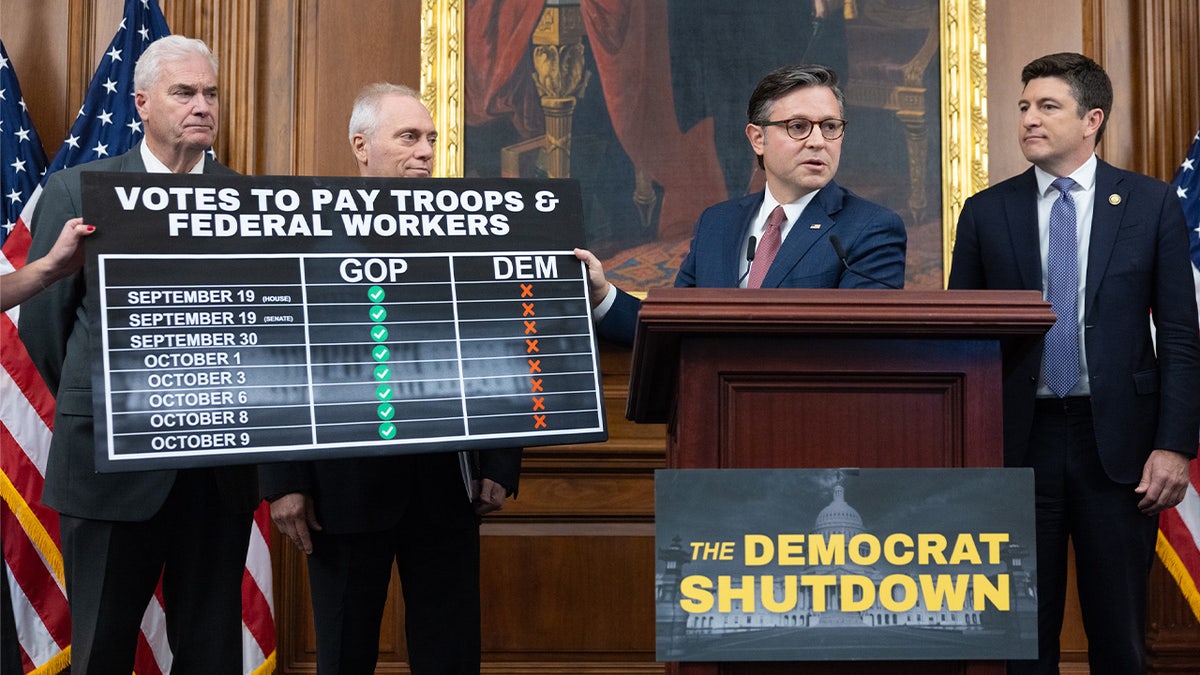
House Faces Prolonged Debate and Internal Divisions as Key Votes Drag On
Washington D.C. – The U.S. House of Representatives is grappling with a series of internal challenges and drawn-out debates, as evidenced by a protracted vote that stretched past the two-hour mark on Wednesday. The delays stem from deep divisions within the Republican party, impacting votes on critical issues including foreign aid, intelligence gathering, and agricultural policy. The chaotic scene underscores the difficulties facing Speaker Mike Johnson as he attempts to navigate a narrow majority and appease a diverse caucus with often conflicting priorities. This period of legislative turbulence comes at a crucial time, with pressing national security concerns and the need to address the upcoming farm bill deadline.

The immediate catalyst for the extended voting period was a dispute over amendments to a continuing resolution funding several government agencies. Multiple revolts within the House Republican conference forced delays, highlighting the fragility of Johnson’s leadership and the power wielded by a vocal minority of conservative lawmakers. The situation reflects a broader pattern of internal strife that has plagued the House throughout the current legislative session, hindering its ability to address key policy challenges efficiently. The ongoing struggles to reach consensus on even basic procedural matters raise questions about the House’s capacity to function effectively in the face of mounting domestic and international pressures.
The delays aren’t limited to the continuing resolution. Lawmakers are also facing hurdles in advancing the farm bill, a comprehensive piece of legislation that impacts agricultural programs, food assistance, and rural development. Disagreements over spending levels and policy provisions have stalled progress on the bill, prompting a postponement of the planned vote. The farm bill is a critical piece of legislation for many Americans, and its delay creates uncertainty for farmers, ranchers, and consumers alike. The complexities surrounding the bill underscore the challenges of balancing competing interests and finding common ground in a deeply polarized political environment.
FISA Reauthorization and ICE Funding Secure Key Votes Amidst Turmoil
Despite the broader challenges, the House did manage to clear a significant hurdle regarding funding for the Foreign Intelligence Surveillance Act (FISA) and Immigration and Customs Enforcement (ICE). A vote to advance these measures passed, albeit after a dramatic and closely contested debate. The outcome represents a victory for Speaker Johnson and the Republican leadership, demonstrating their ability to secure support for key priorities even in the face of internal opposition. Though, the close vote margin signals that these issues remain contentious and could face further challenges as the legislative process progresses. The FISA reauthorization, in particular, has drawn scrutiny from civil liberties advocates concerned about potential privacy violations.

The vote on FISA involved a complex series of amendments and procedural maneuvers, reflecting the deep divisions within the House regarding surveillance authorities. Concerns were raised about the scope of the government’s surveillance powers and the potential for abuse. However, a majority of lawmakers voted to move forward with the reauthorization, citing national security concerns as the primary justification. The debate over FISA underscores the ongoing tension between protecting civil liberties and ensuring national security in the post-9/11 era. The outcome of the vote will have significant implications for the government’s ability to collect intelligence and investigate potential threats.
Similarly, securing funding for ICE proved to be a contentious issue, with Democrats raising concerns about the agency’s enforcement practices and treatment of migrants. Despite these concerns, a majority of lawmakers voted to advance the funding, citing the need to secure the border and enforce immigration laws. The debate over ICE funding reflects the broader political divide over immigration policy, with Republicans generally favoring stricter enforcement measures and Democrats advocating for more humane and comprehensive reforms. The outcome of the vote signals a continued commitment to border security and immigration enforcement, despite ongoing criticism from human rights groups.
Farm Bill Delay Highlights Deep Divisions on Agricultural Policy
The postponement of the farm bill vote underscores the significant challenges facing lawmakers as they attempt to address the complex issues surrounding agricultural policy. Disagreements over spending levels, commodity programs, and conservation measures have stalled progress on the bill, leaving its future uncertain. The farm bill is typically renewed every five years and provides critical support for farmers, ranchers, and rural communities. Its delay creates uncertainty for these stakeholders and could have significant economic consequences. The bill also includes provisions related to food assistance programs, such as the Supplemental Nutrition Assistance Program (SNAP), which provide vital support for low-income families.
One key point of contention is the level of funding for commodity programs, which provide financial assistance to farmers based on the prices of certain crops. Some lawmakers argue that these programs are too costly and distort market signals, while others maintain that they are essential for protecting farmers from economic hardship. Another area of disagreement is the level of funding for conservation programs, which provide incentives for farmers to adopt environmentally friendly practices. Some lawmakers argue that these programs are too expensive and ineffective, while others maintain that they are crucial for protecting natural resources. The conflicting views on these issues highlight the challenges of balancing competing interests and finding common ground on agricultural policy.
Speaker Johnson’s efforts to quell a rebellion within his party regarding the farm bill demonstrate the difficulties he faces in maintaining unity within the Republican conference. The Speaker worked to address the concerns of conservative lawmakers who opposed certain provisions of the bill, ultimately securing enough support to pass a budget blueprint for reconciliation. This maneuver allowed the farm bill process to move forward, albeit with significant compromises. The episode underscores the Speaker’s ability to navigate internal divisions and secure legislative victories, but also highlights the fragility of his position and the potential for future challenges.
Looking Ahead: Continued Legislative Battles and Uncertainty
The recent events in the House of Representatives demonstrate a pattern of internal divisions and legislative gridlock. Speaker Johnson faces a daunting task in attempting to unite his party and advance key policy priorities. The challenges are likely to continue in the coming weeks and months, as lawmakers grapple with a packed legislative agenda and a deeply polarized political climate. The upcoming debates over the budget, debt ceiling, and other critical issues are likely to be equally contentious, and the potential for further disruptions remains high. The ability of the House to function effectively will be crucial for addressing the pressing challenges facing the nation.
The next key event to watch is the continued debate and potential vote on the farm bill. Lawmakers are expected to resume negotiations in the coming weeks, with the goal of reaching a compromise that can garner broad support. The outcome of these negotiations will have significant implications for the agricultural sector and the millions of Americans who rely on food assistance programs. The House will continue to grapple with the FISA reauthorization and ICE funding, as these issues move through the legislative process. The coming months will be a critical test for Speaker Johnson and the House Republican conference, as they attempt to navigate a challenging political landscape and deliver on their promises to the American people.
The ongoing turmoil in the House underscores the deep political divisions that continue to plague the United States. The challenges facing lawmakers are not simply about policy disagreements; they are also about fundamental differences in values and priorities. Finding common ground and building consensus will require a willingness to compromise and a commitment to working together in decent faith. The future of the nation depends on the ability of its leaders to overcome these challenges and address the pressing issues facing the country.
Stay informed: For the latest updates on these developments, please refer to official sources such as the U.S. House of Representatives website and reputable news organizations like the Reuters and the Associated Press. We encourage you to share your thoughts and engage in constructive dialogue in the comments section below.