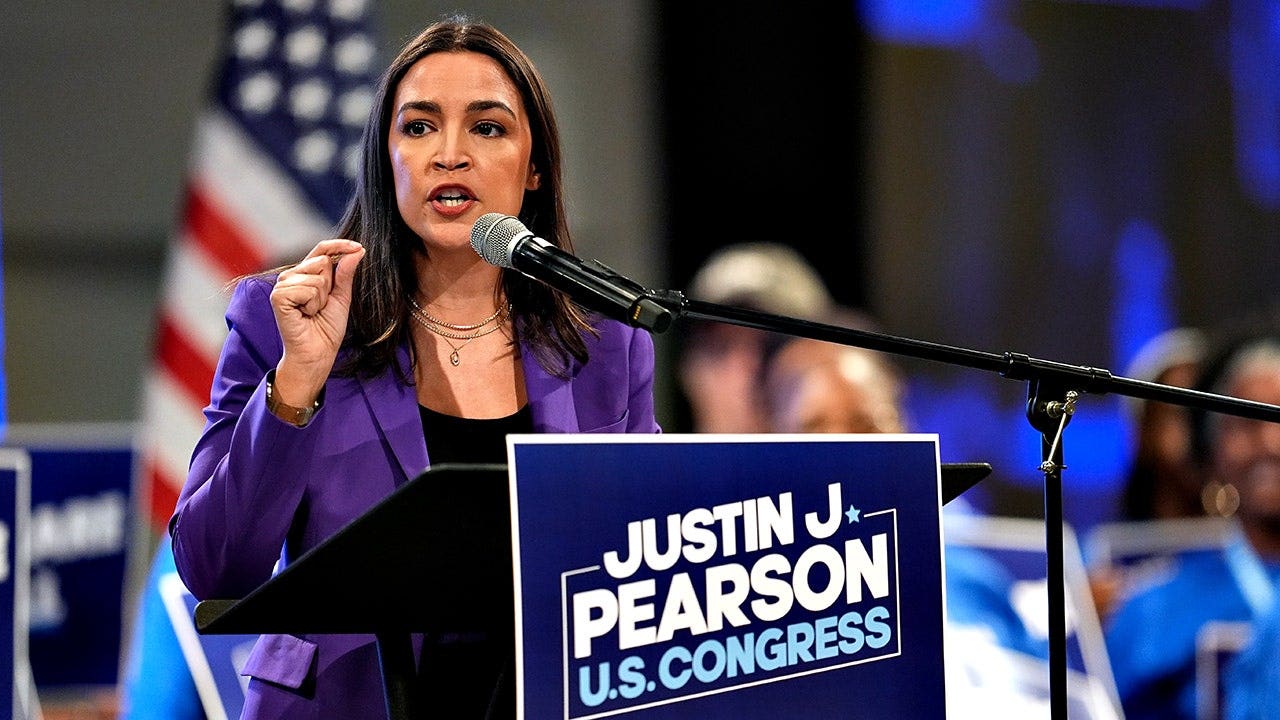
The U.S. House of Representatives passed a $1.15 trillion defense policy bill on July 22, 2026, preserving a controversial provision that establishes a framework for military technology cooperation with Israel. The measure triggered sharp bipartisan division over national sovereignty and sparked a fierce public dispute among lawmakers.
The fiscal year 2027 National Defense Authorization Act cleared the House in a 216–212 vote, largely along party lines. While supporters argue the legislation modernizes defense capabilities and deepens strategic integration with a key regional ally, opponents from both political parties have condemned a specific initiative embedded within the text.
Section 219 and the U.S.-Israel Technology Cooperation Initiative
The House passed a $1.15 trillion defense authorization bill Wednesday with a controversial provision expanding U.S.-Israel military technology cooperation intact, despite a bipartisan effort to remove it and warnings from Rep. Thomas Massie, R-Ky., that the measure could compromise American sovereignty and national security.

Section 219 and the U.S.-Israel Technology Cooperation Initiative
The legislative battle centers on Section 219 of the House-passed National Defense Authorization Act, which would create an initiative to expand cooperation between the U.S. and Israeli militaries on defense technology. The provision embeds US-Israel cooperation more deeply inside the Pentagon’s weapons-development and acquisition systems.
Codifying the integration of our military technology and supply chains with those of any other country is dangerous,
said Massie, one of seven Republicans to buck party lines and vote against the NDAA.
The provision in question, Section 219, embeds US-Israel cooperation more deeply inside the Pentagon’s weapons-development and acquisition systems. Opposition came from a group of progressive Democrats and Republican skeptics of US support for Israel, who accused congressional leaders of shielding the provision on Israel from scrutiny after lawmakers were denied a separate vote to remove it.
Rep. Alexandria Ocasio-Cortez
Bipartisan Backlash and Ocasio-Cortez Retaliation Claims

Rep. Alexandria Ocasio-Cortez, D-N.Y., came under fire after claiming the House-passed National Defense Authorization Act (NDAA) would merge parts of our military with the Israel Defense Forces,
drawing accusations that she distorted what the legislation actually does. House Minority Leader Hakeem Jeffries warned it could undermine U.S. national security by empowering Hamas and Hezbollah.
Rep. Thomas Massie’s, R-Ky., amendment has sparked significant debate, with House Minority Leader Hakeem Jeffries warning it could undermine U.S. national security by empowering Hamas and Hezbollah.
Reps. Thomas Massie (R-Ky.) and Ro Khanna (D-Calif.) reacted with disdain after the House passed the NDAA.
Six Democratic House Lawmakers
Broader Defense Spending and Senate Outlook

Six Democratic House lawmakers crossed the aisle on Wednesday to join a majority of Republicans in passing a nearly $1.15 trillion annual defense policy bill. The Democrats who backed the 2027 National Defense Authorization Act (NDAA) all have a reputation of breaking with their party on key issues and many are running for reelection in swing districts this November. The six House Democrats who voted for the NDAA are Reps. Henry Cuellar (Texas), Don Davis (N.C.), Jared Golden (Maine), Vicente Gonzalez (Texas), Adam Gray (Calif.) and Marie Gluesenkamp Perez (Wash.). I voted for the National Defense Authorization Act to strengthen our national defense while improving the pay, housing, and childcare for our service members and their families,
Cuellar said in a statement to The Hill.
It also would provide for a pay raise next year ranging from 5% to 7% for service members, depending upon their rank. The National Defense Authorization Act is generally one of the more bipartisan bills that Congress takes up on an annual basis. That’s not the case this year. The vote was 216-212. Democrats took issue with steep spending increases for the Pentagon as Republicans attempted to cut numerous non-defense programs through other bills. They also opposed some of the conservative social policy riders that were included.
House lawmakers rejected efforts to examine options for reducing DoD civilian workforce and pushed back against an anti-union measure. The House narrowly passed its version of the fiscal 2027 defense policy bill on Wednesday evening despite strong Democratic opposition over the bill’s massive price tag, the war with Iran and a provision that would expand military partnership between the United States and Israel. While the $1.15 trillion defense bill backs President Donald Trump’s request to raise all service members’ pay by 5 to 7%, it does not mention a pay raise for DoD civilians in fiscal 2027. While civilian pay is addressed outside the annual defense authorization process, some Democrats argued that House lawmakers missed an opportunity.
House and Senate must reconcile separate defense bill versions. Bill requires congressional approval before reaching President Trump. The U.S. House of Representatives passed a $1.15 trillion defense policy bill on July 22, 2026 by a narrow majority. The vote was 216 to 212, reflecting nearly a straight party-line result. The legislation, the National Defense Authorization Act (NDAA) for fiscal year 2027, is a Pentagon budget advanced by Congress. Republicans framed the bill as a necessary investment in national defense.