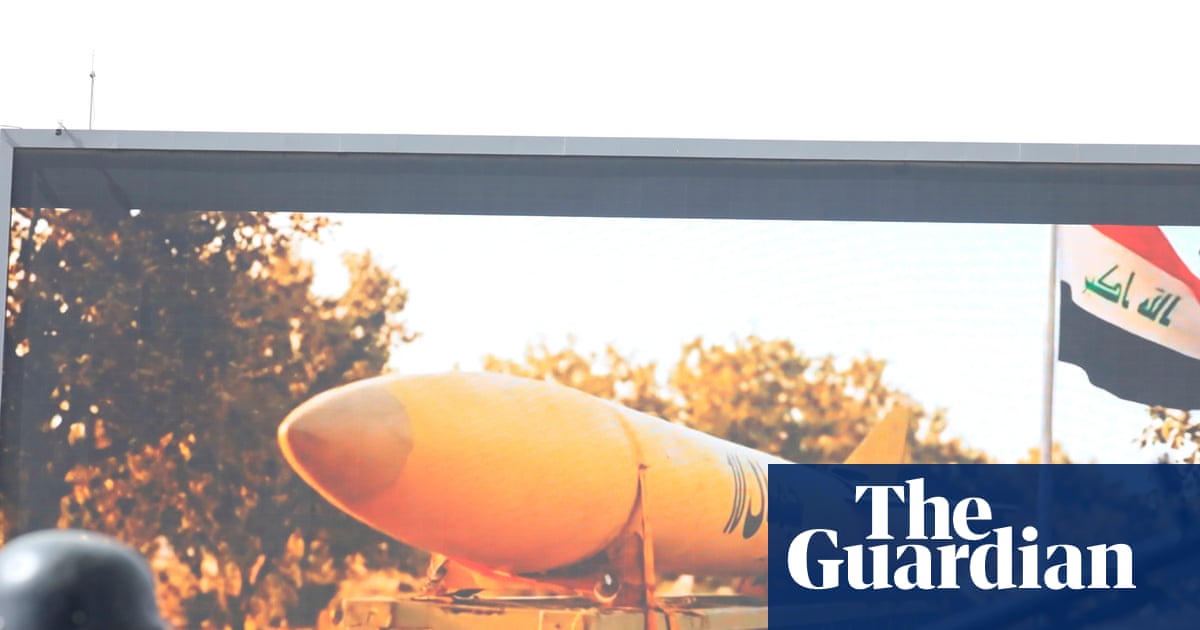
Iran-backed Houthi strikes in Yemen and the Red Sea killed at least 30 government troops and hit two Saudi oil tankers. The attacks drove Brent crude to $100 a barrel, prompting President Trump to threaten major military retaliation against Iran.
Houthi Missile Strikes and Ground Attacks Kill Dozens of Yemeni Troops
Attacks by the Iran-aligned Houthis on military camps in Yemen and across the border in Saudi Arabia have sparked concerns that the Middle East crisis will continue to spiral. Yemen is increasingly drawn into the broader U.S.-Israeli war with Iran as the Houthi rebels step up assaults against government forces domestically and against neighboring Saudi Arabia.
Government sources reported that at least 30 Yemeni government troops were killed in Houthi attacks on military camps, with some estimates putting the death toll as high as 58. The Iran-aligned Houthis claimed responsibility for the missile and drone strikes in Marib and Hadramout provinces following observations of a large Saudi military buildup.
Yemen’s defense ministry stated that its armed forces would respond to the attacks at the appropriate place and time, while the health minister ordered medical facilities to increase readiness for wounded soldiers. Yemeni sources reported that Saudi Arabia appeared to be preparing for a major military offensive by sea and possibly by land in central Yemen to break the Houthi chokehold on Saudi oil exports through the southern Red Sea.
Red Sea Tanker Attacks and the Spike to $100 Oil
The regional conflict escalated sharply when Iran-backed Houthis in Yemen attacked two Saudi Arabian oil tankers in the Red Sea, choking off a vital energy corridor and sending global oil prices surging. The Houthi military spokesman, Yahya al-Sarea, announced that the group executed a qualitative military operation targeting the two tankers with missiles and drones due to violations of the group’s Red Sea blockade.
Al-Sarea stated that the group forced 10 other ships to turn back, vowing to continue naval operations against Saudi Arabia. The naval blockade centered on the Bab al-Mandeb strait, the sole southbound route for Saudi tankers heading toward Asian markets. Saudi Arabia had previously diverted oil exports to Red Sea ports after traffic diminished in the Persian Gulf and the Strait of Hormuz due to Iranian threats.
Financial markets reacted immediately to the disruption. Brent crude rose by roughly 7.1% to $100.74 a barrel around 10:50 a.m. ET, marking a 40% monthly gain for the benchmark. West Texas Intermediate crude similarly climbed 5.3% to $91.40, achieving a 30% monthly spike.
President Trump Threatens Retaliation Against Iran
Hours after the strikes on the two Saudi ships, President Trump vowed to hold Iran accountable for any Houthi attacks on commercial shipping in the Red Sea. In a post on Truth Social, Trump stated that if the attacks recur, the United States will hold Iran responsible as a surrogate and inflict major military punishment on both Iran and the Houthi movement.

Please let this TRUTH serve to represent that if they do this again, the U.S.
President Trump, via New York Post
Trump expressed disappointment in the Houthis, noting they had previously acted professionally and smart during Operation Epic Fury, which began on February 28. In a separate incident in southern Najran province, a Saudi official reported that Houthi shelling injured 11 civilians, including a four-year-old child. Maj. Gen. Turki al-Maliki, spokesperson for the Saudi-led military coalition, stated that the coalition would continue taking necessary measures to protect civilians.
Political Fallout in Washington Over Expanding Conflict
The expansion of the conflict into the Red Sea triggered renewed debate in Washington. Four Republicans in the U.S. House joined Democrats in a vote to halt the American military campaign without congressional approval, though Senate Republicans blocked a similar measure.

Lawmakers pointed to rising oil and gas prices and expanding casualties as evidence that the administration’s military campaign had not achieved lasting stability. Sen. Chris Van Hollen criticized the ongoing escalation, questioning how the administration could claim victory earlier in the year while American service members continued to die and energy corridors remained closed.
Related reading