
San Francisco, CA — May 20, 2026 — Electric vehicle batteries may last significantly longer than previously estimated, thanks to artificial intelligence-driven testing and predictive modeling. A Stanford University study published in December 2024 revealed that machine learning algorithms analyzing real-world battery degradation data could extend usable battery life by up to 40%—a finding with major implications for consumer costs, automaker warranties, and the sustainability of EV adoption.
For drivers and industry observers, this isn’t just about longer-lasting batteries. It’s a potential game-changer for the entire EV ecosystem: reducing the need for costly replacements, lowering the total cost of ownership, and addressing one of the biggest barriers to mass electric vehicle adoption. But how exactly is AI achieving this, and what does it mean for the future of battery technology?
The breakthrough stems from a shift in how battery performance is measured. Traditional lab tests often underestimate real-world durability because they don’t account for variations in temperature, charging patterns, or manufacturing inconsistencies. By contrast, AI models trained on vast datasets—including data from thousands of vehicles—can identify subtle degradation patterns and predict failure points with far greater accuracy. This approach has already been adopted by leading automakers and battery developers, as outlined in the Monolith AI 2024 Battery Report, which highlights AI’s role in accelerating battery innovation.
How AI Is Revolutionizing Battery Testing
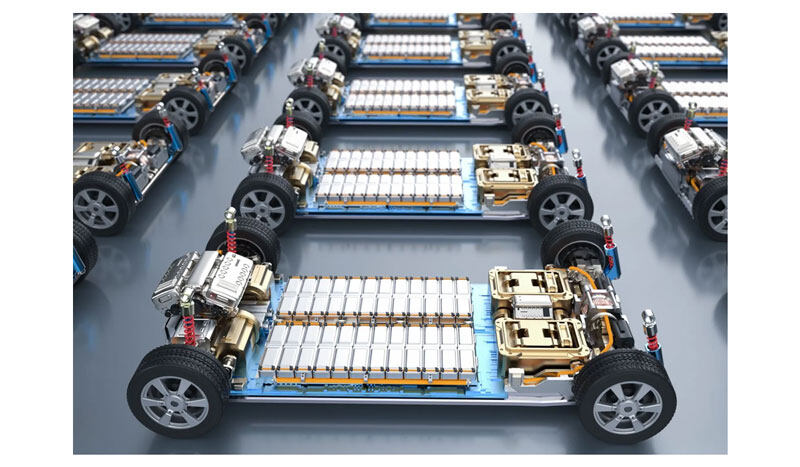
Most EV batteries today rely on lithium-ion chemistry, which degrades over time due to factors like charge cycles, heat, and chemical breakdown. The Stanford study, published in Nature Energy, found that AI could detect early signs of degradation—such as microstructural changes in the battery’s anode—before they become critical. By adjusting charging algorithms in real time, the system effectively “preserves” battery capacity that would otherwise be lost.
Key to this advancement is the use of digital twins: virtual replicas of physical batteries that simulate their performance under various conditions. These twins allow manufacturers to test thousands of “what-if” scenarios without physical prototypes, drastically cutting development time. For example, Tesla and other automakers have begun integrating AI-driven battery management systems (BMS) that dynamically optimize charging to mitigate wear. According to the Stanford study, this could translate to an additional 100,000 to 160,000 miles of usable life for a typical EV battery—equivalent to years of extended range for most drivers.
Beyond Lithium-Ion: AI’s Role in Next-Gen Batteries
The implications extend beyond lithium-ion. The Monolith AI 2024 report notes that AI is also accelerating the development of alternative chemistries, such as solid-state and sodium-ion batteries. These technologies promise higher energy density, faster charging, and reduced reliance on scarce materials like cobalt. AI-powered testing has already helped identify optimal formulations for these batteries, with some prototypes now entering pilot production.
For consumers, the most immediate impact may be on warranty periods. Automakers like BMW and Hyundai have already begun extending battery warranties to 10 years or 100,000 miles, up from the industry standard of 8 years or 100,000 miles. While these extensions are partly driven by competition, AI’s ability to predict degradation with precision is likely to make such warranties more reliable—and potentially longer in the future.
Who Benefits—and Who Might Be Left Behind?
The advantages of AI-driven battery longevity aren’t evenly distributed. Early adopters—particularly those with newer EVs equipped with advanced battery management systems—will see the benefits first. However, older vehicles or those with less sophisticated BMS may not experience the same improvements. This creates a potential divide between high-end and budget EV models, though automakers are increasingly retrofitting software updates to address this gap.

Environmentally, the impact is substantial. Longer-lasting batteries reduce the demand for raw materials and lower the carbon footprint associated with manufacturing replacements. The International Energy Agency (IEA) estimates that extending battery life by even 10% could reduce global lithium demand by 3–5% by 2030—a meaningful reduction given current supply chain challenges.
What’s Next for AI and EV Batteries?
Looking ahead, the integration of AI with other emerging technologies—such as quantum computing for material science and edge computing for real-time battery monitoring—could further extend battery life. Startups like Monolith AI are already developing platforms that combine AI with high-speed testing to validate new battery designs in weeks rather than years.
For drivers, the next few years will be critical. Automakers are expected to roll out AI-enhanced battery systems in 2027–2028, with some luxury brands potentially offering “lifetime battery health guarantees” as a selling point. Meanwhile, regulatory bodies like the U.S. Department of Energy are exploring standardized AI testing protocols to ensure consistency across the industry.
Key Takeaways
- AI extends battery life: Machine learning models trained on real-world data can predict and mitigate degradation, potentially adding 40% more usable life to EV batteries.
- Cost savings for drivers: Longer-lasting batteries reduce replacement costs and may lead to extended manufacturer warranties.
- Sustainability impact: Reduced material demand and lower carbon emissions from fewer replacements benefit both consumers and the environment.
- Next-gen chemistries: AI is accelerating the development of solid-state and sodium-ion batteries, which could further disrupt the EV market.
- Industry adoption: Leading automakers and battery firms are already integrating AI-driven systems, with broader rollouts expected by 2027.
What Which means for EV Buyers in 2026
If you’re in the market for an electric vehicle, the timing couldn’t be better. The combination of AI-driven longevity and improving battery chemistries means that today’s EVs may outlast their predecessors by a significant margin. However, not all vehicles are created equal:
- Newer models with advanced BMS (e.g., Tesla’s latest, Hyundai’s Ioniq 6) will benefit most from these advancements.
- Software updates may be available for older EVs to adopt some AI-driven optimizations.
- Warranty comparisons are worth scrutinizing—look for automakers that explicitly tie warranty extensions to AI-enhanced battery management.
For those considering a used EV, battery health history will become increasingly important. Tools like third-party battery diagnostics (where available) can help assess whether a vehicle’s battery management system includes AI-driven optimizations.
The Road Ahead: What to Watch For
The next major milestone will be the commercialization of AI-optimized solid-state batteries, expected in 2027–2028. Companies like QuantumScape and Toyota are racing to bring these to market, with AI playing a key role in validating their performance. Meanwhile, the U.S. Department of Energy’s Advanced Research Projects Agency-Energy (ARPA-E) is funding projects to integrate AI with battery recycling initiatives, further reducing waste.
For now, drivers can take practical steps to maximize their EV’s battery life:
- Avoid frequent deep discharges (keep charge levels between 20% and 80%).
- Use manufacturer-recommended charging speeds.
- Monitor battery health via the vehicle’s software (e.g., Tesla’s “Battery Health” dashboard).
- Stay updated on firmware updates, which may include AI-driven optimizations.
What’s next? The U.S. Department of Energy will host a public workshop on AI in energy storage in September 2026, where industry leaders and researchers will discuss standardization and scalability. Automakers are also expected to unveil new AI-enhanced battery models at the 2026 Consumer Electronics Show (CES) in January.
With AI reshaping the future of EV batteries, one thing is clear: the days of premature battery failure may soon be behind us. For drivers, this means more miles, more savings, and a cleaner planet—all thanks to a technology that’s finally living up to its potential.
Have questions about AI and your EV’s battery health? Share your experiences in the comments—or let us know what you’d like to see next in this evolving technology.
Related reading
- Jhonatan Cabrera Launches “La Casa de TikTok” Reality Show in Valencia
- Google Pixel 11 Leaks: New Pro Fold Design, Pixel Glow, and Camera Upgrades
- Why Your Phone's Battery Still Drains When It's Completely Off (daybreakwire.com)
- Hoka Speedgoat 7 Review: Ultimate Trail Running Shoe for Rugged Terrain (world-today-news.com)