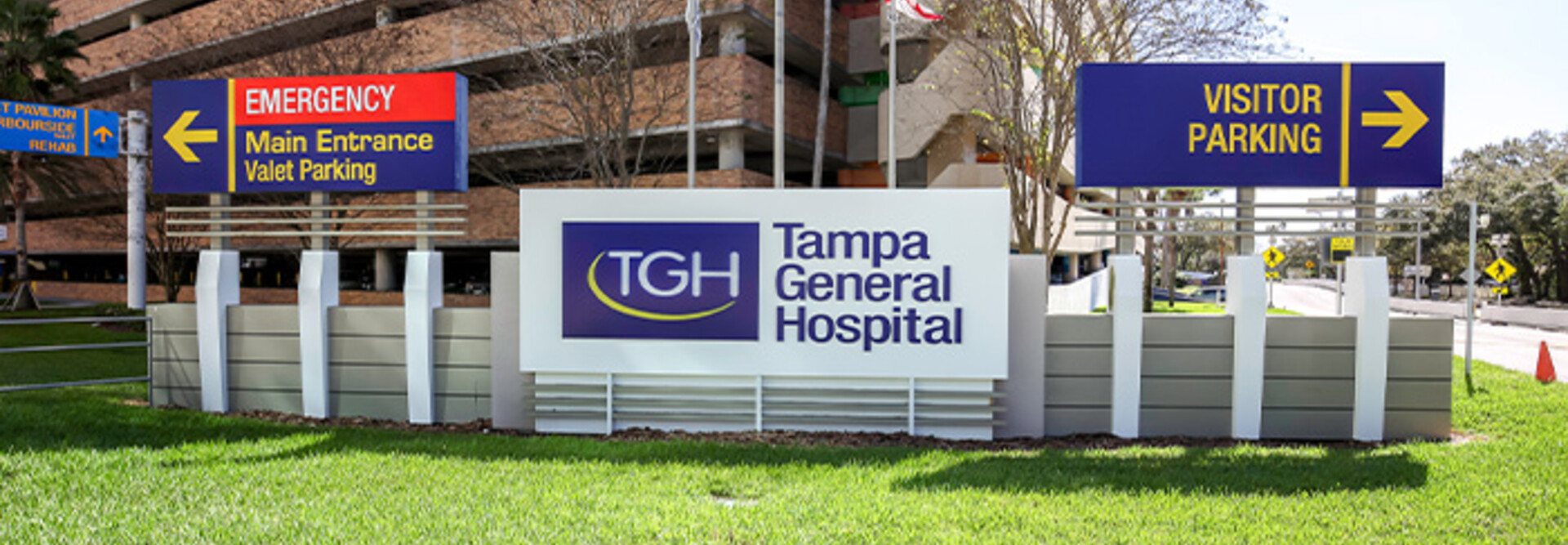
Tampa General Hospital has implemented ambient clinical documentation technology, utilizing the Microsoft Dragon Copilot to assist nursing staff with electronic health record (EHR) charting. This initiative aims to address the significant administrative burden placed on healthcare professionals by shifting the focus of documentation from manual screen-based entry to automated, voice-enabled processes during patient interactions.
The integration of artificial intelligence at the bedside is designed to mitigate the time nurses spend managing EHR interfaces. By capturing clinical conversations and translating them into structured documentation, the system allows clinicians to prioritize direct patient care. This development reflects a broader industry movement toward reducing the cognitive load and burnout associated with modern medical documentation requirements.
Addressing the Administrative Burden in Nursing
The challenge of documentation remains a central issue in healthcare staffing and retention. Research indicates that the time required to manage digital health records frequently competes with the time available for patient engagement. According to a 2022 report from the U.S. Surgeon General’s Office, nurses can spend up to 41% of their workday within EHR systems. This administrative requirement often results in a fragmented workflow where the clinical interface becomes a primary focus, potentially impacting the quality of the nurse-patient relationship.
Further analysis of emergency department workflows has shown that documentation tasks can account for 27% of a nurse’s time, while direct patient care occupies approximately 25% of the same period, as detailed in a time and motion study published in the National Library of Medicine (A Time and Motion Analysis of Nursing Workload and Electronic Health Record Use in the Emergency Department). These findings underscore the tension between clinical precision and the technical demands of contemporary hospital systems.
The Role of Ambient AI in Clinical Workflows
Ambient clinical documentation functions by passively recording interactions and utilizing artificial intelligence to generate accurate medical notes. By reducing the reliance on manual keyboard entry, hospitals hope to improve both the efficiency of clinical documentation and the overall experience for staff. For organizations like Tampa General Hospital, the deployment of tools such as Microsoft Dragon Copilot represents a strategic investment in workflow optimization.
The correlation between EHR usability and professional well-being is well-documented. Research from the University of Pennsylvania School of Nursing has linked suboptimal EHR usability to increased rates of burnout and job dissatisfaction among nursing staff (EHR Usability Issues Linked to Nurse Burnout and Patient Outcomes). By automating the charting process, health systems aim to alleviate these stressors, potentially improving retention rates in high-acuity environments.
What Happens Next for Hospital Documentation
As health systems continue to evaluate the impact of ambient intelligence, the focus remains on the scalability of these tools across different departments. While initial rollouts have targeted specific high-volume areas, the long-term objective involves a wider integration into daily clinical practice. Hospitals are expected to monitor the effectiveness of these systems through metrics related to documentation time, clinician job satisfaction, and the accuracy of automated records.
For patients and staff, the transition to AI-assisted charting signifies a potential shift in how care is delivered and recorded. As these technologies evolve, further updates regarding clinical outcomes and workflow efficiency are anticipated from participating healthcare institutions. Readers interested in the ongoing evolution of healthcare technology are encouraged to follow official updates from medical centers and health policy organizations as they release data on the performance of ambient documentation tools.
Have you encountered new AI-driven documentation tools in your recent clinical visits, or are you a healthcare professional currently using these systems? Please share your thoughts and experiences in the comments below.
Related reading