The legal framework governing the high seas is facing unprecedented scrutiny as international stakeholders debate the future of maritime governance and the potential for new regulatory tolls. While the United Nations Convention on the Law of the Sea (UNCLOS) has historically provided a structure for international waters, recent shifts in global security strategies and economic competition have sparked discussions regarding the sustainability of the “global commons.” According to the United Nations, the high seas—areas beyond national jurisdiction—have long been treated as open to all states, yet emerging geopolitical pressures are testing the limits of this consensus.
As the Editor for the World section at World Today Journal, I have tracked these developments through the lens of shifting power dynamics. Recent discourse, including analyses of evolving national security doctrines, suggests that the traditional American-led order is undergoing a period of re-evaluation. This shift impacts how European allies and global trade partners view access to international shipping lanes, leading to questions about whether the era of “free” access to the open ocean is nearing a structural inflection point.
The Evolution of Maritime Governance
The concept of “freedom of the seas” has been a cornerstone of international law for centuries, formalized in modern times by the 1982 UNCLOS agreement. However, the current geopolitical climate is characterized by increased securitization of trade routes. The U.S. National Security Strategy emphasizes the necessity of maintaining a rules-based order to counter challenges from strategic competitors. Critics of these policies, particularly within European policy circles, argue that such an assertive posture may inadvertently undermine the very global commons it seeks to protect.
The debate over potential “tolls” or increased regulation on the high seas is not merely fiscal; it is a question of sovereignty. When major powers prioritize national security over multilateral consensus, the stability of international shipping—which accounts for approximately 80% of global trade by volume, according to the United Nations Conference on Trade and Development (UNCTAD)—becomes vulnerable to political volatility.
Geopolitical Friction and European Perspectives
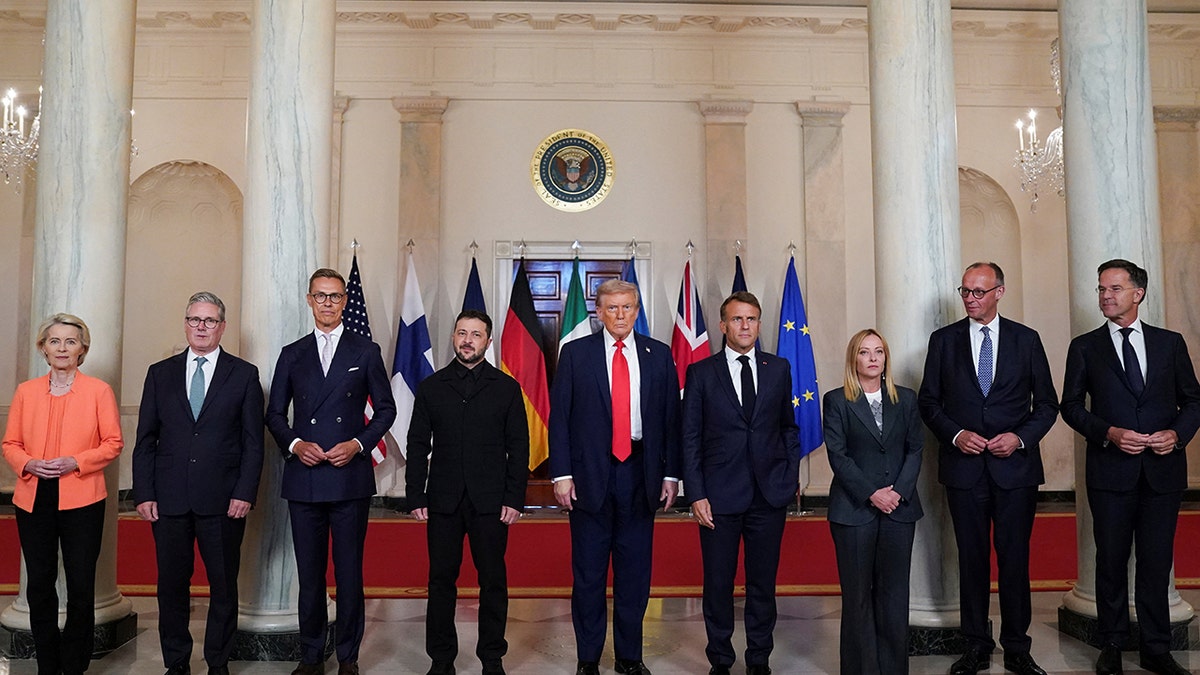
European nations, often reliant on the security umbrella provided by trans-Atlantic partnerships, are increasingly navigating a complex path between U.S. policy demands and their own economic interests. Recent rhetoric from political figures in Washington has signaled a move toward a more transactional approach to international alliances. This has led to concerns in Brussels and Berlin that the high seas could become a theater for exclusionary practices.

Specifically, the discussion around “tolls” reflects broader fears regarding the erosion of the global commons. If nations begin to unilaterally enforce environmental or security levies on vessels traversing international waters, the precedent could jeopardize the International Maritime Organization (IMO) standards that currently regulate global shipping. The fragmentation of these standards would likely increase costs for global consumers and introduce significant legal uncertainty for maritime insurers and shipping conglomerates.
Impact on Global Trade Security
The potential for a shift in maritime regulation carries significant risks for the global economy. If the United States or other major powers move away from the established consensus on freedom of navigation, the resulting “security tax” could manifest in several ways:
- Increased insurance premiums for vessels operating in contested or high-risk maritime zones.
- Unilateral enforcement of environmental regulations that conflict with international treaty obligations.
- Disruption of supply chains due to new, non-multilateral maritime checkpoints.
According to the World Trade Organization, the stability of maritime corridors is essential for maintaining the price integrity of essential goods. Any move toward restrictive maritime governance would represent a departure from the post-1945 economic order, requiring a fundamental reassessment of how global trade is protected and financed.
What Happens Next?
The future of open-ocean access will likely be determined at upcoming sessions of the International Seabed Authority and future UNCLOS review conferences. These forums serve as the primary venues for resolving disputes over maritime boundaries and resource rights. As of early 2024, no formal proposal for a “global sea toll” has been adopted by a governing body, and any such move would face intense legal challenges from the international community.
The next major checkpoint for these discussions will be the upcoming UN Ocean Conference, where member states are expected to address the intersection of climate change, security, and maritime law. We will continue to monitor these developments closely as they unfold. Readers are encouraged to share their insights in the comments section or participate in our community discussions regarding the future of international law and global maritime security.
Related reading