
Advanced practice registered nurses (APRNs)—including nurse practitioners, clinical nurse specialists, and nurse anesthetists—are increasingly relocating across state lines to practice in jurisdictions with more favorable regulatory environments. This migration is driven by significant disparities in state-level “full practice authority” laws, which dictate the extent to which these clinicians can diagnose, treat, and prescribe medication without physician oversight. According to the National Council of State Boards of Nursing (NCSBN), these regulatory differences directly impact workforce distribution, as clinicians often move to states where they can operate to the full extent of their graduate-level training.
In the United States, the healthcare workforce landscape is defined by a patchwork of state-specific regulations. While some states grant APRNs full practice authority, others require collaborative practice agreements or direct physician supervision. As a physician and journalist based in Berlin, I have observed that these administrative barriers often exacerbate existing healthcare provider shortages in rural and underserved regions. When clinicians find their scope of practice restricted, they frequently seek employment in neighboring states that offer greater professional autonomy, a phenomenon that has drawn significant attention from healthcare policy researchers and state legislators alike.
Understanding Full Practice Authority and Scope of Care
The core of the debate rests on the concept of “full practice authority,” a regulatory status that allows APRNs to evaluate patients, diagnose, order and interpret diagnostic tests, and initiate and manage treatments—including prescribing medications—under the exclusive licensure authority of the state board of nursing. The American Association of Nurse Practitioners (AANP) maintains that this model is essential for expanding patient access to care, particularly in areas lacking sufficient numbers of primary care physicians. Conversely, organizations like the American Medical Association (AMA) advocate for physician-led team-based care, arguing that strict supervision requirements are necessary to ensure patient safety and maintain high standards of medical oversight.
This regulatory divide creates a tangible incentive for mobility. For a nurse practitioner licensed in a restrictive state, moving to a state with full practice authority often results in a broader clinical role and, in many cases, a change in professional status. Research published by the Health Affairs journal indicates that the relaxation of scope-of-practice restrictions is associated with an increased supply of nurse practitioners in those states, suggesting that regulatory flexibility acts as a primary driver for professional migration and retention.
The Impact of Regulatory Barriers on Rural Healthcare
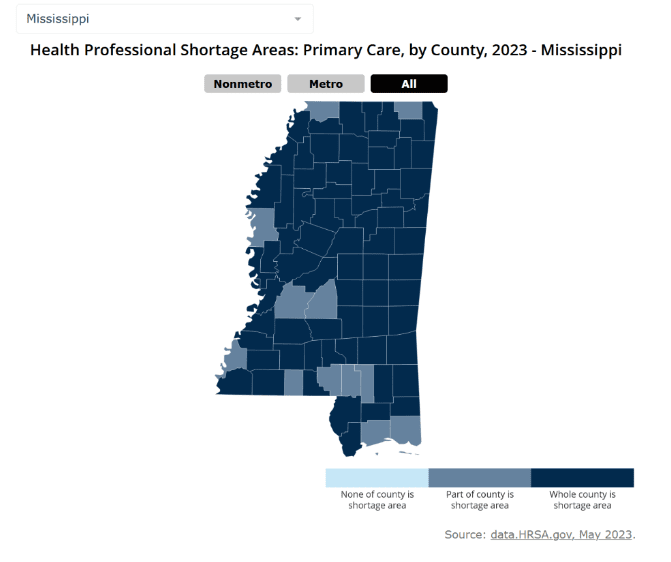
The consequences of these varying regulations are most pronounced in rural and medically underserved communities. In states where APRNs face stringent supervision requirements, the necessity of finding a supervising physician—who may be in short supply—can delay the establishment of new clinics or the expansion of existing services. According to a report by the Health Resources and Services Administration (HRSA), which monitors healthcare workforce shortages, states that grant full practice authority often see a higher density of nurse practitioners in rural counties compared to states with more restrictive policies.

For patients, this means that the availability of primary care services is often tied to the legal status of the nurse practitioner rather than the actual community need. When APRNs cross state lines to practice in more permissive environments, they effectively export their clinical capacity to those regions, leaving behind gaps in the healthcare infrastructure of their home states. This trend has prompted several state legislatures to revisit their scope-of-practice laws during recent legislative sessions, with ongoing debates centered on balancing patient safety with the urgent need for accessible, affordable care.
Legal and Policy Developments
Legislative efforts to modernize nursing regulations are currently active in several states. These bills often aim to transition states from restrictive supervision models to full practice authority, frequently citing the need to address the projected primary care shortage. However, these legislative processes are typically slow, involving extensive hearings and testimony from both nursing and medical boards. The Nurse Licensure Compact (NLC), which allows nurses to have one multistate license with the ability to practice in both their home state and other compact states, has gained traction, though it does not override state-specific scope-of-practice laws for advanced practice roles.
As of late 2023 and early 2024, the landscape remains fractured. While the trend toward full practice authority is growing, the opposition from medical societies remains a significant hurdle. For the individual clinician, the decision to move is often a pragmatic response to these legal realities. As states continue to compete for healthcare talent, the pressure to harmonize these standards will likely increase, as the current environment creates a “brain drain” of highly trained nurses moving away from jurisdictions that limit their ability to serve their patients.
Frequently Asked Questions
What is full practice authority?
Full practice authority allows APRNs to practice to the full extent of their education and training without being required to maintain a formal collaborative agreement or physician supervision. This includes the legal authority to prescribe medications and order diagnostic tests independently.
Why do APRNs move across state lines for work?
Many APRNs move to states with full practice authority to gain greater professional autonomy and to work in environments where they can provide comprehensive care without the administrative burden of finding or paying for physician supervision.
How does this affect patient care?
According to studies cited by the NCSBN, states with full practice authority generally see improved access to primary care, particularly in rural areas, as APRNs are more likely to establish practices in these regions when regulatory hurdles are removed.
What is the next step for these regulations?
State legislatures continue to introduce bills to expand or restrict scope of practice. Interested parties can monitor their specific state legislature’s website or the NCSBN state-by-state map for the most recent updates on legislative status and local policy changes.
The regulatory environment for advanced practice nursing remains in flux. As additional data on workforce distribution and health outcomes becomes available, the discourse between professional organizations is expected to continue. For those interested in the evolution of this policy, tracking upcoming legislative sessions and state board of nursing meeting minutes remains the most reliable method for staying informed. We invite our readers to share their perspectives or experiences with healthcare access in the comments section below.
Keep reading