
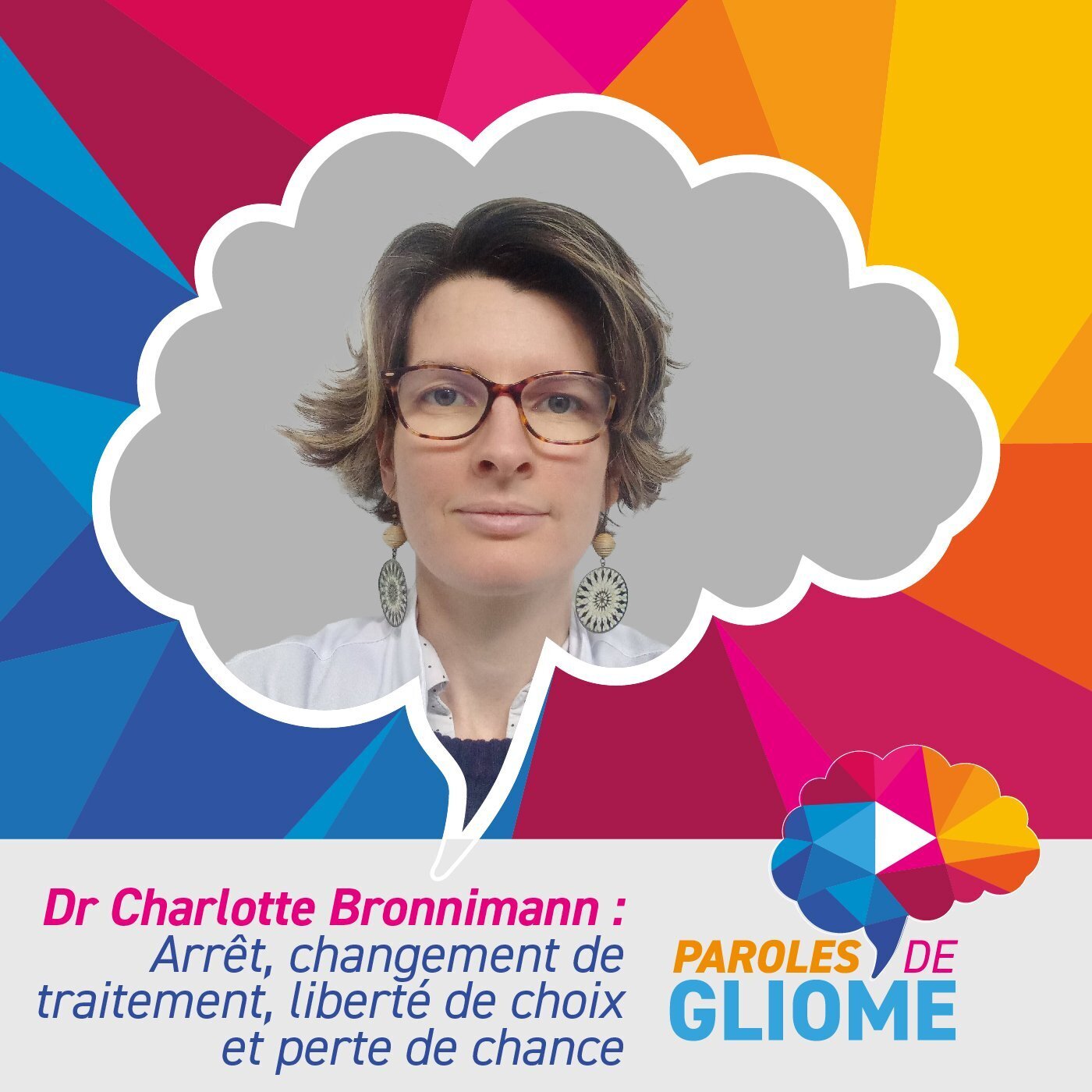
Therapeutic decision-making in neuro-oncology involves complex interactions between medical evidence, patient autonomy, and ethical considerations, according to Dr. Charlotte Bronnimann, a neuro-oncologist at CHU de Bordeaux. The process, she explains, requires clinicians to weigh clinical guidelines with individual patient circumstances, a balance that has become increasingly nuanced as treatment options expand.
Dr. Bronnimann, who has over 15 years of experience treating brain tumors, emphasized that therapeutic choices are not dictated by a single factor. “Every patient presents unique challenges,” she stated in a recent podcast discussion. “We must consider the latest clinical trials, the patient’s overall health, their personal values, and the potential side effects of treatment.” This approach aligns with guidelines from the European Society for Medical Oncology (ESMO), which advocates for shared decision-making in oncology care.
The podcast, which explored topics such as treatment resistance and emerging therapies, highlighted the growing role of precision medicine in neuro-oncology. For instance, biomarker testing now allows clinicians to tailor treatments to a patient’s genetic profile, a practice that has shown promise in improving outcomes for glioblastoma patients. However, Dr. Bronnimann noted that access to these advanced diagnostics remains uneven across regions, raising concerns about healthcare equity.
One of the key challenges discussed was the tension between evidence-based protocols and individual patient preferences. “There are cases where a treatment may not be the standard of care but could offer hope,” Dr. Bronnimann explained. “But we must ensure patients understand the risks and limitations.” This sentiment is echoed in a 2023 report by the World Health Organization (WHO), which called for greater patient education to support informed decision-making in oncology.
The Role of Patient Autonomy in Treatment Choices
Patient autonomy is a cornerstone of modern medical ethics, but its application in neuro-oncology is fraught with complexity. Neuro-oncologists often face situations where patients or their families request treatments that lack robust clinical evidence, such as experimental therapies or complementary medicine. Dr. Bronnimann described one case where a patient with a recurrent glioma opted for a non-conventional regimen despite limited data on its efficacy. “We provided all the information, but the decision was ultimately theirs,” she said.

Such scenarios underscore the need for clear communication between clinicians and patients. A 2022 study published in *The Lancet Oncology* found that patients who felt fully informed about their treatment options reported higher satisfaction levels, even when outcomes were unfavorable. Dr. Bronnimann noted that this requires clinicians to “present information in a way that is both accurate and accessible,” a skill that is increasingly emphasized in medical training programs.
However, autonomy is not absolute. In cases where a patient’s decision poses a significant risk to their health, clinicians may seek input from ethics committees. The American Society of Clinical Oncology (ASCO) outlines a framework for such situations, stressing the importance of balancing respect for patient wishes with the duty to prevent harm. Dr. Bronnimann acknowledged that these decisions are “never easy,” but added that “open dialogue is the best way forward.”
Challenges in Therapeutic Decision-Making
Therapeutic decision-making in neuro-oncology is further complicated by the rapid pace of medical innovation. New drugs, immunotherapies, and targeted treatments are constantly emerging, making it difficult for clinicians to stay current. “The volume of research is overwhelming,” Dr. Bronnimann admitted. “We rely on professional guidelines and peer-reviewed journals to filter the most relevant information.”

Another challenge is the management of treatment resistance. Brain tumors, particularly glioblastomas, are notorious for developing resistance to standard therapies. Dr. Bronnimann cited a 2023 clinical trial that explored the use of combination therapies to delay resistance, but noted that “results are still preliminary.” This highlights the ongoing need for research and the importance of clinical trials in advancing care.
Access to care also plays a critical role. Patients in low-resource settings often face delays in diagnosis and limited treatment options. A 2021 report by the Global Brain Tumor Initiative found that survival rates for glioblastoma in high-income countries are nearly double those in low-income regions. Dr. Bronnimann emphasized that “inequities in care must be addressed through policy and global collaboration.”
Emerging Trends and Future Directions
Looking ahead, Dr. Bronnimann identified several trends shaping the future of neuro-oncology. One is the integration of artificial intelligence (AI) in treatment planning. AI algorithms are being used to analyze imaging data and predict treatment responses, though their clinical utility is still under evaluation. “We’re cautiously optimistic,” she said. “But we need more data to ensure these tools are reliable.”

Another trend is the growing emphasis on patient-reported outcomes. By incorporating data on quality of life and symptom management, clinicians can better tailor treatments to individual needs. A 2023 study in *JAMA Oncology* found that patient-reported outcomes improved adherence to treatment plans and reduced hospitalizations.
Dr. Bronnimann also highlighted the importance of multidisciplinary teams in neuro-oncology. These teams, which include neurosurgeons, radiation oncologists, and psychologists, provide a holistic approach to care. “No single specialist has all the answers,” she said. “Collaboration is key to addressing the complex needs of our patients.”
What Patients Should Know
For patients and families navigating neuro-oncology care, Dr. Bronnimann offered several recommendations. First, she advised seeking second opinions when considering major treatment decisions. “It’s your right to get multiple perspectives,” she said. Second, she encouraged patients to ask questions and clarify any uncertainties. “Don’t hesitate to ask, ‘What are the risks and benefits of this option?'”
Patients should also be proactive about their care. This includes keeping track of symptoms, medications, and test results. Dr. Bronnimann noted that “informed patients are better equipped to make decisions that align with their values.” Finally, she urged patients to explore clinical trials, which can provide access to cutting-edge treatments. “Clinical trials are a vital part of advancing care,” she said.
The next confirmed checkpoint in the evolution of therapeutic decision-making in neuro-oncology is the release of updated ESMO guidelines in 202