
The ongoing conflict involving Iran is creating a complex ripple effect across global financial markets, where the volatility of war is translating into unexpected windfalls and systemic shifts for the banking sector. While geopolitical instability typically signals caution, certain financial institutions are seeing their fortunes rise as a direct result of the economic dislocations caused by the unrest.
From the rise of interest rates in Europe to the surge in deal-making activity for American banks, the financial landscape is being reshaped. However, this profitability comes with a paradox: as some banks profit from the macroeconomic environment, others are aggressively cutting ties with the very traders who keep global commodity markets moving, leading to a phenomenon known as “debanking.”
As the conflict persists, the intersection of energy prices, monetary policy, and risk management is revealing a stark divide in how the global economy absorbs the shock of war. For the observer, the question is no longer just about the geopolitical outcome, but about who is capturing the value from the resulting instability.
Monetary Policy and the ECB’s Tightening Grip
In the eurozone, the conflict with Iran has fundamentally altered the trajectory of monetary policy. Market expectations have shifted toward a significantly tighter stance from the European Central Bank (ECB), with a focus on maintaining high interest rates to combat inflation fueled by the war.
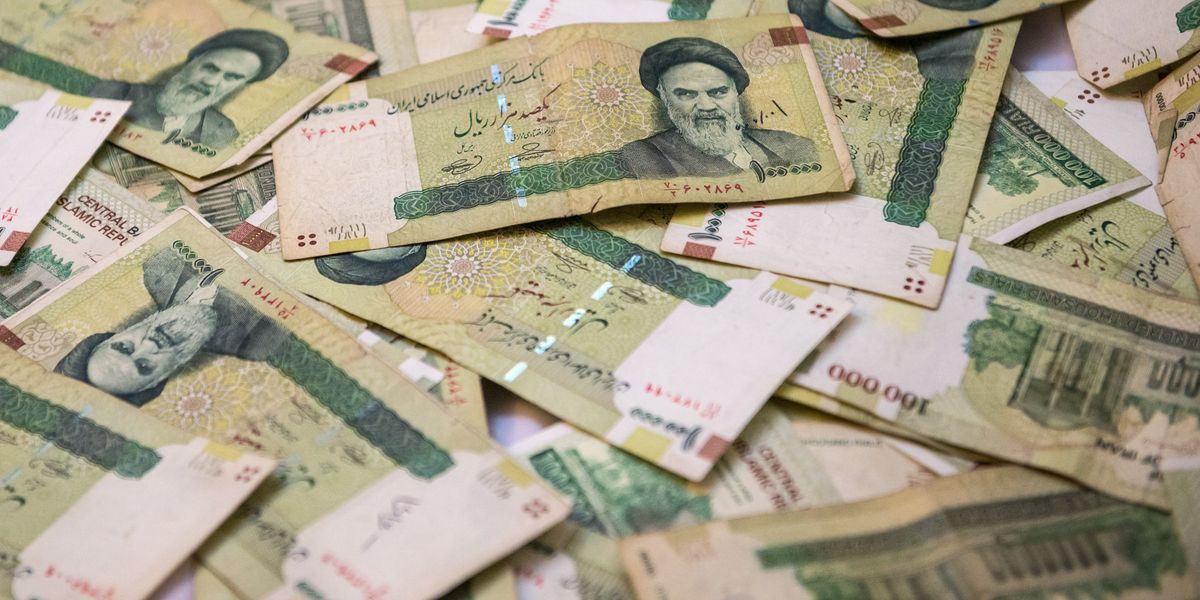
The primary driver of this shift is the volatility of energy prices. As the conflict escalates, rising costs for oil and gas are feeding concerns over persistent inflation, making stricter financial conditions in the eurozone a necessity. According to reports from Business AM, traders now anticipate a more aggressive approach from the ECB, with high rates expected to persist for a longer duration than previously forecasted.
Prior to the outbreak of the conflict, market sentiment leaned toward potential rate cuts within the year. Now, the narrative has flipped. Traders are pricing in a high probability of a rate hike during the ECB meeting later this month, with expectations that multiple increases will follow through 2026. This shift has already manifested in the bond markets, where the two-year yield in most eurozone countries has risen, reflecting a heightened sensitivity to inflation and interest rate expectations.
The implications of this “higher-for-longer” environment are twofold. While it allows central banks to fight inflation, it simultaneously tightens financial conditions, potentially slowing economic growth and increasing the cost of debt servicing for governments across the continent.
American Banks and the Paradox of Volatility
Across the Atlantic, the impact of the conflict has manifested differently. While the war in Iran continues to feed general market uncertainty, some American banks have seen their shares rise. This growth has been attributed to an increase in deal-making activity, suggesting that corporate restructuring and strategic acquisitions often accelerate during periods of global instability.
Reports from IEX indicate that while the “Iran war” contributes to a backdrop of uncertainty, the immediate financial gains from investment banking deals have provided a cushion for these institutions. This highlights a recurring theme in global finance: systemic volatility often creates opportunities for high-level financial engineering and advisory services that benefit the largest banking players.
The Rise of ‘Debanking’ and the Shift to Stablecoins
While some institutions profit from the macroeconomic shifts, a more disruptive trend is emerging in the commodity markets. A growing number of commodity traders in Europe are being “debanked”—effectively cut off from essential banking services—as financial institutions retreat from trade finance due to perceived risks associated with Iran.
This retreat is driven by heightened compliance concerns and counterparty risks. As Western banks withdraw to avoid potential regulatory pitfalls or sanctions-related risks, traders are finding themselves without the traditional credit and settlement tools required to move goods across borders. Luke Sully, CEO of the stablecoin issuer Haycen, noted that banks are increasingly pulling back from specific commodity flows since the start of the war.
This vacuum has created a significant opening for digital assets. According to CoinDesk, commodity traders are increasingly turning to stablecoins, specifically USDT, to facilitate cross-border payments and settlements. This shift represents a fundamental restructuring of the $2 trillion non-bank trade finance market, as participants move away from centralized banking infrastructure toward decentralized liquidity layers.
Key Takeaways: The Financial Impact of the Iran Conflict
- ECB Policy Shift: Market expectations have moved from potential rate cuts to anticipated rate hikes through 2026 due to energy-driven inflation.
- US Banking Gains: American banks are seeing stock increases driven by deal-making, despite overall geopolitical uncertainty.
- Systemic Debanking: European commodity traders are losing banking access due to Iran-related counterparty risks.
- Crypto Adoption: Stablecoins like USDT are filling the gap in trade finance for “debanked” traders.
- Energy Volatility: The reopening of the Strait of Hormuz remains a critical variable for inflation and ECB decision-making.
What Happens Next?
The immediate focus for global markets remains the upcoming meeting of the European Central Bank later this month, where a potential rate hike will serve as a bellwether for the eurozone’s economic resilience. Simultaneously, the stability of the Strait of Hormuz will be the primary catalyst for whether energy prices—and by extension, inflation—stabilize or continue to climb.
As the traditional banking sector continues to weigh risk against profit, the migration of trade finance toward stablecoins may accelerate, potentially creating a permanent shift in how global commodities are traded during geopolitical crises.
We invite our readers to share their perspectives on the shift toward stablecoins in trade finance in the comments below.